ExamBharo · SSC CGL 2019 Tier I — 7 March 2020, Shift 2 · exambharo.com/previous-year-papers/ssc-cgl-2019-tier-1-7-mar-shift-2/
Question paper · SSC CGL
SSC CGL 2019 Tier I — 7 March 2020, Shift 2
7 March 2020 · 1:00 PM–2:00 PM80 of the paper’s 100 questions+2 for a correct answer, −0.5 for a wrong one
20 questions of the original paper are not included: those that need a figure or formatting we cannot show, that have no answer in the response sheet, or that we could not check against a second copy of the paper.
Questions from the Staff Selection Commission’s paper of 7 March 2020, 1:00 PM–2:00 PM. Each question’s answer is under it, hidden until you open it, and the full answer key is at the end. Take the paper as a timed practice test to be scored.
General Intelligence and Reasoning
4.

- (a)

- (b)

- (c)

- (d)

Show answer
Answer: (a)
- (a)
7.

- (a)
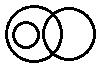
- (b)
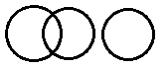
- (c)
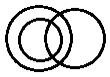
- (d)
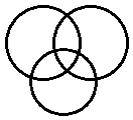
Show answer
Answer: (d)
- (a)
9.

- (a)

- (b)

- (c)

- (d)

Show answer
Answer: (a)
- (a)
11.

- (a)

- (b)

- (c)

- (d)

Show answer
Answer: (a)
- (a)
12.

- (a)

- (b)

- (c)

- (d)

Show answer
Answer: (c)
- (a)
13.

- (a)

- (b)

- (c)

- (d)

Show answer
Answer: (d)
- (a)
15.

- (a)

- (b)

- (c)

- (d)

Show answer
Answer: (c)
- (a)
17.
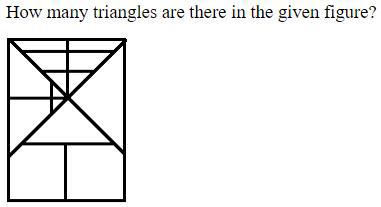
- (a)

- (b)

- (c)

- (d)

Show answer
Answer: (c)
- (a)
18.
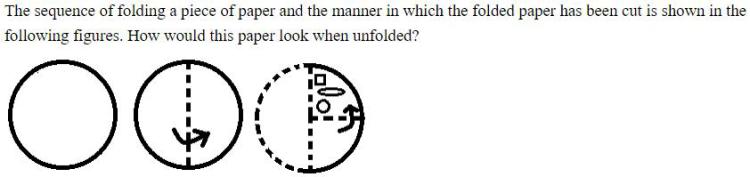
- (a)

- (b)

- (c)

- (d)

Show answer
Answer: (a)
- (a)
20.
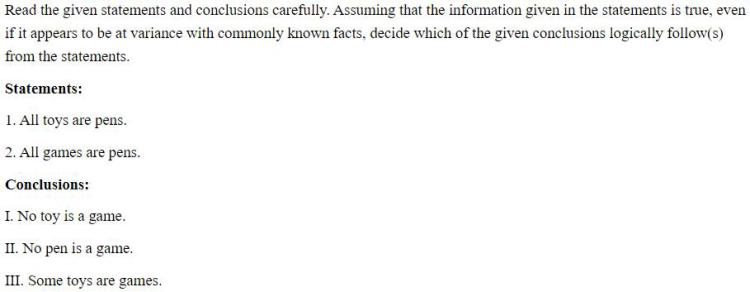
- (a)

- (b)

- (c)

- (d)

Show answer
Answer: (d)
- (a)
21.

- (a)
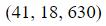
- (b)
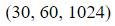
- (c)
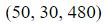
- (d)
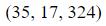
Show answer
Answer: (d)
- (a)
22.

- (a)
- (b)

- (c)

- (d)

Show answer
Answer: (d)
- (a)
23.

- (a)

- (b)

- (c)

- (d)

Show answer
Answer: (d)
- (a)
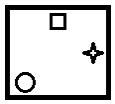
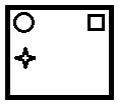
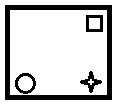
24.
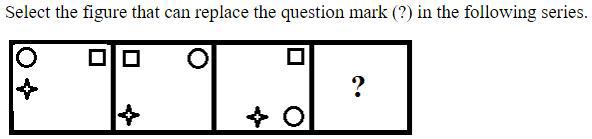
- (a)
- (b)
- (c)
- (d)
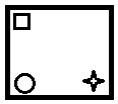
Show answer
Answer: (d)
- (a)
General Awareness
1. Which of the following is caused by a virus named 'Varicella zoster'?
- (a) Chickenpox
- (b) Cholera
- (c) Rabies
- (d) Polio
Show answer
Answer: (a)
2. Which of the following can be diagnosed with the Widal test?
- (a) Typhoid fever
- (b) Tuberculosis
- (c) AIDS
- (d) Cancer
Show answer
Answer: (a)
3. Which one of the following statements is INCORRECT?
- (a) The measurable unit of pressure is denoted in Metre.
- (b) Matter is made up of small particles.
- (c) Brass is a mixture of 30% zinc and 70% copper.
- (d) Evaporation causes cooling.
Show answer
Answer: (a)
4. Which organisation launched the Agricultural Marketing and Farmer Friendly Reforms Index (AMFFRI) in 2016?
- (a) National Institute of Public Finance and Policy (NIPFP)
- (b) Reserve Bank of India
- (c) Indian Institute of Public Administration
- (d) NITI Aayog
Show answer
Answer: (d)
5. A situation where the expenditure of the government exceeds its revenue is known as _____.
- (a) Devaluation
- (b) Deficit Financing
- (c) Morbidity
- (d) Default
Show answer
Answer: (b)
6. Which of the following is used for removing permanent hardness of water?
- (a) Baking soda
- (b) Washing soda
- (c) Lime
- (d) Bleaching powder
Show answer
Answer: (b)
7. Where were the Khelo India Youth Games, 2020 held?
- (a) New Delhi
- (b) Chandigarh
- (c) Bhopal
- (d) Guwahati
Show answer
Answer: (d)
8. In which year did the Third Round Table Conference take place?
- (a) 1929
- (b) 1932
- (c) 1928
- (d) 1930
Show answer
Answer: (b)
9. Who among the following was NOT a recipient of the Arjuna Awards in 2019?
- (a) Poonam Yadav
- (b) Mezban Patel
- (c) Ravindra Jadeja
- (d) Swapana Burman
Show answer
Answer: (b)
10. What is Gotabaya Rajapaksa’s nationality?
- (a) Bangladeshi
- (b) Burmese
- (c) Indonesian
- (d) Sri Lankan
Show answer
Answer: (d)
11. On which lake is the world's only floating post office situated?
- (a) Loktak Lake
- (b) Dal Lake
- (c) Wular Lake
- (d) Chilika Lake
Show answer
Answer: (b)
13. In which year did the battle of Khanua (Khanwa) take place between Babur and the Rajput forces led by Rana Sanga?
- (a) 1529
- (b) 1526
- (c) 1522
- (d) 1527
Show answer
Answer: (d)
14. Who wrote the play 'Mricchakatika' (The Little Clay Cart), a social drama with touches of grim reality?
- (a) Sudraka
- (b) Raidasa
- (c) Kalidasa
- (d) Magh
Show answer
Answer: (a)
15. Who won the ‘ICC (International Cricket Council) Spirit of Cricket, 2019’ award?
- (a) Rohit Sharma
- (b) Ben Stokes
- (c) Pat Cummins
- (d) Virat Kohli
Show answer
Answer: (d)
16. Who discovered cells in the human body?
- (a) Herbert Spencer
- (b) Robert Hooke
- (c) Albert Einstein
- (d) Charles Darwin
Show answer
Answer: (b)
17. Who among the following was NOT associated with the revolt of 1857?
- (a) Bhagat Singh
- (b) Kunwar Singh
- (c) Begum Hazrat Mahal
- (d) Mangal Pandey
Show answer
Answer: (a)
18. Which of the following martial art forms is practiced in the state of Punjab and West Bengal?
- (a) Mardaani khel
- (b) Kalaripayattu
- (c) Lathi
- (d) Thang-ta
Show answer
Answer: (c)
19. What is the name of the anti-hijacking exercise conducted by the Indian Navy in collaboration with the Indian Coast Guard?
- (a) Indra
- (b) Nagah
- (c) Ekuverin
- (d) Apharan
Show answer
Answer: (d)
20. The tidal mouth of a river where fresh and saline water get mixed is known as a/an ____.
- (a) Estuary
- (b) Gorge
- (c) Archipelago
- (d) Fold
Show answer
Answer: (a)
21. Which of the following schedules of the Constitution of India has been INCORRECTLY matched with its content?
- (a) Fourth Schedule – Allocation of seats in the council of states
- (b) Third Schedule – Forms of oath or affirmations
- (c) First Schedule – The states and the union territories
- (d) Second Schedule – Languages
Show answer
Answer: (d)
22. In which part of India are the Patkai Bum hills located?
- (a) Southern part of India
- (b) Northern part of India
- (c) Eastern part of India
- (d) Western part of India
Show answer
Answer: (c)
23. Which of the following is one of the Articles of the Constitution of India that mentions the Comptroller and Auditor General of India?
- (a) 156
- (b) 148
- (c) 352
- (d) 280
Show answer
Answer: (b)
24. Who among the following was known as 'Andhra Kesari'?
- (a) T. Prakasam
- (b) Mahatma Gandhi
- (c) Khan Abdul Ghaffar Khan
- (d) Chittaranjan Das
Show answer
Answer: (a)
25. Where was the 107th edition of the Indian Science Congress held?
- (a) Bengaluru
- (b) Dehradun
- (c) Chennai
- (d) Lucknow
Show answer
Answer: (a)
Quantitative Aptitude
1.

- (a)

- (b)

- (c)

- (d)

Show answer
Answer: (a)
- (a)
4.

- (a)

- (b)

- (c)

- (d)

Show answer
Answer: (c)
- (a)
5.

- (a)

- (b)

- (c)

- (d)

Show answer
Answer: (c)
- (a)
6.

- (a)

- (b)

- (c)

- (d)

Show answer
Answer: (d)
- (a)
7.

- (a)

- (b)

- (c)

- (d)

Show answer
Answer: (b)
- (a)
8.

- (a)

- (b)

- (c)

- (d)

Show answer
Answer: (c)
- (a)
11.
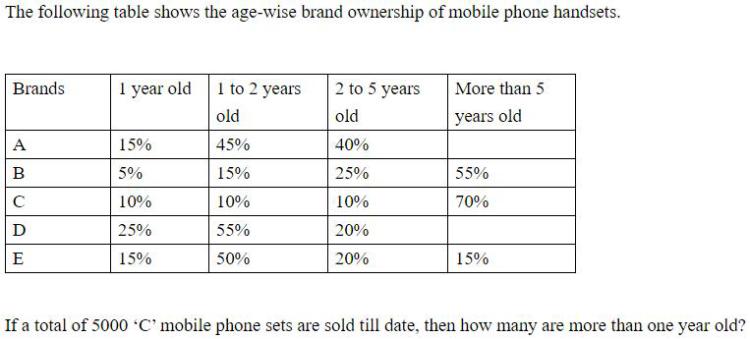
- (a)

- (b)

- (c)

- (d)

Show answer
Answer: (c)
- (a)
12.

- (a)

- (b)

- (c)

- (d)

Show answer
Answer: (a)
- (a)
14.

- (a)

- (b)

- (c)

- (d)

Show answer
Answer: (a)
- (a)
15.
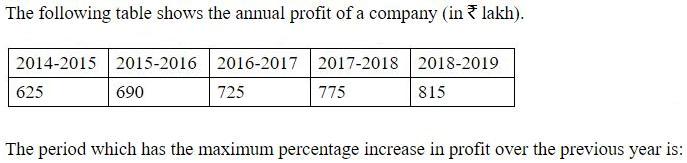
- (a)

- (b)

- (c)

- (d)

Show answer
Answer: (a)
- (a)
17.

- (a)

- (b)

- (c)

- (d)

Show answer
Answer: (b)
- (a)
19.

- (a)

- (b)

- (c)

- (d)

Show answer
Answer: (c)
- (a)
20.

- (a)

- (b)

- (c)

- (d)

Show answer
Answer: (c)
- (a)
22.
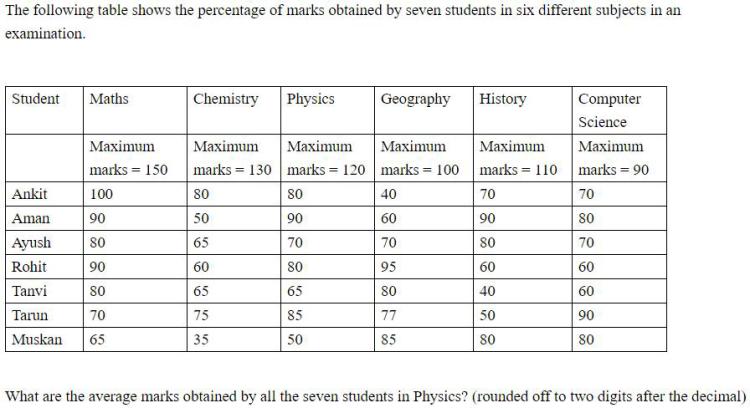
- (a)

- (b)

- (c)

- (d)

Show answer
Answer: (a)
- (a)
23.

- (a)

- (b)

- (c)

- (d)

Show answer
Answer: (a)
- (a)
24.

- (a)

- (b)

- (c)

- (d)

Show answer
Answer: (b)
- (a)
25.

- (a)

- (b)

- (c)

- (d)

Show answer
Answer: (c)
- (a)
English Comprehension
1. Select the most appropriate ANTONYM of the given word. Assist
- (a) Decline
- (b) Conceal
- (c) Support
- (d) Obstruct
Show answer
Answer: (d)
2. Select the most appropriate option to substitute the underlined segment in the given sentence. If there is no need to substitute it, select No improvement. The old lady nearly dead from fright.
- (a) No improvement
- (b) died of fright
- (c) died with frightening
- (d) dead out of fright
Show answer
Answer: (b)
3. Given below are four jumbled sentences. Out of the given options pick the one that gives their correct order. A. I took a deep breath and inhaled the air. B. It was a fine spring morning. C. As soon as I entered the garden, lush green grass welcomed me. D. The freshness in the air drew my feet towards a garden.
- (a) BADC
- (b) ACBD
- (c) CADB
- (d) CDAB
Show answer
Answer: (a)
4. Given below are four jumbled sentences. Out of the given options pick the one that gives their correct order. A. It hurts the heart most of all by inflating blood pressure. B. You can blow up and let it out or bottle it up and ignore it. C. The question then arises– What to do about it? D. Researchers have long agreed that anger hurts your health.
- (a) DBCA
- (b) CADB
- (c) BCAD
- (d) DACB
Show answer
Answer: (d)
5. Select the most appropriate meaning of the given idiom. Come to the point
- (a) To unravel a mystery
- (b) To meet at a designated place
- (c) To get reconciled to something
- (d) To speak plainly about the real issue
Show answer
Answer: (d)
6. Select the correct indirect form of the given sentence. The guard said to the visitors, "Do not take photographs inside the museum."
- (a) The guard warned the visitors not to be taking photographs inside the museum.
- (b) The guard forbade the visitors to take photographs inside the museum.
- (c) The guard told the visitors that do not take photographs inside the museum.
- (d) The guard requested the visitors to not took photographs inside the museum.
Show answer
Answer: (b)
PassageFor questions 7–11
In the following passage some words have been deleted. Fill in the blanks with the help of the alternatives given. Select the most appropriate option for each blank.
There are certain spheres of one's life in which one should go by one's own (1)______ rather than follow another's counsel. The choice (2)______ one's subject of study is one such sphere. (3)______ one is genuinely interested in a subject, one (4)______ never opt for it. India is already full of (5)______ pegs in round holes, who are unfit for their roles and are doing more harm than good.
7. Select the most appropriate option to fill in blank number (1).
- (a) choice
- (b) possibility
- (c) option
- (d) alternative
Show answer
Answer: (a)
8. Select the most appropriate option to fill in blank number (2).
- (a) of
- (b) among
- (c) at
- (d) between
Show answer
Answer: (a)
9. Select the most appropriate option to fill in blank number (3).
- (a) Unless
- (b) Even if
- (c) Since
- (d) Although
Show answer
Answer: (a)
10. Select the most appropriate option to fill in blank number (4).
- (a) would
- (b) could
- (c) should
- (d) ought
Show answer
Answer: (c)
11. Select the most appropriate option to fill in blank number (5).
- (a) square
- (b) large
- (c) small
- (d) circular
Show answer
Answer: (a)
12. Select the word which means the same as the group of words given. A place where plants are grown for sale
- (a) Garden
- (b) Yard
- (c) Aviary
- (d) Nursery
Show answer
Answer: (d)
13. Select the correct passive form of the given sentence. He incurred heavy losses in business.
- (a) Heavy losses are incurred in business by him.
- (b) Heavy losses were incurred in business by him.
- (c) Heavy losses are being incurred in business by him.
- (d) Heavy losses was incurred in business by him.
Show answer
Answer: (b)
14. Select the word which means the same as the group of words given. Putting to death painlessly to end suffering
- (a) Euthanasia
- (b) Genocide
- (c) Blaspheme
- (d) Altruism
Show answer
Answer: (a)
15. Select the most appropriate synonym of the given word. Affluent
- (a) Impoverished
- (b) Hostile
- (c) Authentic
- (d) Prosperous
Show answer
Answer: (d)
16. In the sentence identify the segment which contains the grammatical error. The present what I buy for you yesterday was very expensive.
- (a) what I buy
- (b) for you yesterday
- (c) The present
- (d) was very expensive
Show answer
Answer: (a)
17. In the sentence identify the segment which contains the grammatical error. He went to work but returned back immediately.
- (a) He went
- (b) but returned back
- (c) immediately
- (d) to work
Show answer
Answer: (b)
18. Select the most appropriate ANTONYM of the given word. Industrious
- (a) Diligent
- (b) Durable
- (c) Cautious
- (d) Lethargic
Show answer
Answer: (d)
19. Select the INCORRECTLY spelt word.
- (a) Affiliate
- (b) Annihilate
- (c) Aesthetic
- (d) Exclaimation
Show answer
Answer: (d)
20. Fill in the blank with the most appropriate word. There is a ______ growth of flowers in tropical countries.
- (a) plenty
- (b) powerful
- (c) luxuriant
- (d) pious
Show answer
Answer: (c)
21. Fill in the blank with the most appropriate word. There are ______ errors in your assignment.
- (a) abundant
- (b) multifold
- (c) sufficient
- (d) numerous
Show answer
Answer: (d)
22. Select the most appropriate option to substitute the underlined segment in the given sentence. If there is no need to substitute it, select No improvement. He was greatly disappointed to be failed again.
- (a) No improvement
- (b) on failing
- (c) by being failed
- (d) to failed
Show answer
Answer: (b)
23. Select the most appropriate meaning of the given idiom. Give a piece of one's mind
- (a) To advise someone
- (b) To rebuke someone strongly
- (c) To donate something valuable
- (d) To share one's ideas
Show answer
Answer: (b)
24. Select the INCORRECTLY spelt word.
- (a) Actually
- (b) Parallel
- (c) Persuit
- (d) Opinion
Show answer
Answer: (c)
25. Select the most appropriate synonym of the given word. Accurate
- (a) Compact
- (b) Capable
- (c) Precise
- (d) Erroneous
Show answer
Answer: (c)
Show answers
Answer key
Answer key as marked in the Staff Selection Commission’s response sheet. “—” means the sheet did not show it clearly.
General Intelligence and Reasoning
- Q 4
- (a)
- Q 7
- (d)
- Q 9
- (a)
- Q 11
- (a)
- Q 12
- (c)
- Q 13
- (d)
- Q 15
- (c)
- Q 17
- (c)
- Q 18
- (a)
- Q 20
- (d)
- Q 21
- (d)
- Q 22
- (d)
- Q 23
- (d)
- Q 24
- (d)
General Awareness
- Q 1
- (a)
- Q 2
- (a)
- Q 3
- (a)
- Q 4
- (d)
- Q 5
- (b)
- Q 6
- (b)
- Q 7
- (d)
- Q 8
- (b)
- Q 9
- (b)
- Q 10
- (d)
- Q 11
- (b)
- Q 13
- (d)
- Q 14
- (a)
- Q 15
- (d)
- Q 16
- (b)
- Q 17
- (a)
- Q 18
- (c)
- Q 19
- (d)
- Q 20
- (a)
- Q 21
- (d)
- Q 22
- (c)
- Q 23
- (b)
- Q 24
- (a)
- Q 25
- (a)
Quantitative Aptitude
- Q 1
- (a)
- Q 4
- (c)
- Q 5
- (c)
- Q 6
- (d)
- Q 7
- (b)
- Q 8
- (c)
- Q 11
- (c)
- Q 12
- (a)
- Q 14
- (a)
- Q 15
- (a)
- Q 17
- (b)
- Q 19
- (c)
- Q 20
- (c)
- Q 22
- (a)
- Q 23
- (a)
- Q 24
- (b)
- Q 25
- (c)
English Comprehension
- Q 1
- (d)
- Q 2
- (b)
- Q 3
- (a)
- Q 4
- (d)
- Q 5
- (d)
- Q 6
- (b)
- Q 7
- (a)
- Q 8
- (a)
- Q 9
- (a)
- Q 10
- (c)
- Q 11
- (a)
- Q 12
- (d)
- Q 13
- (b)
- Q 14
- (a)
- Q 15
- (d)
- Q 16
- (a)
- Q 17
- (b)
- Q 18
- (d)
- Q 19
- (d)
- Q 20
- (c)
- Q 21
- (d)
- Q 22
- (b)
- Q 23
- (b)
- Q 24
- (c)
- Q 25
- (c)