ExamBharo · SSC MTS 2023 — 8 September 2023, Shift 3 · exambharo.com/ssc-mts/previous-year-papers/ssc-mts-2023-8-sep-shift-3/
Question paper · SSC MTS & Havaldar
SSC MTS 2023 — 8 September 2023, Shift 3
8 September 2023 · 4:00 PM–6:00 PM79 of the paper’s 90 questions1 per correct answer
Questions from the Staff Selection Commission’s paper of 8 September 2023, 4:00 PM–6:00 PM.
Preparing for SSC MTS & Havaldar? Get more, free
Daily previous-year questions as quizzes, and every SSC MTS & Havaldar notice the day it is out.
Numerical and Mathematical Ability
2.

- (a)

- (b)

- (c)

- (d)

Show answer
Answer: (b)
- (a)
3.

- (a)

- (b)

- (c)

- (d)

Show answer
Answer: (b)
- (a)
4.

- (a)

- (b)

- (c)

- (d)

Show answer
Answer: (a)
- (a)
5.

- (a)

- (b)

- (c)

- (d)

Show answer
Answer: (a)
- (a)
6.

- (a)

- (b)

- (c)

- (d)

Show answer
Answer: (a)
- (a)
7.
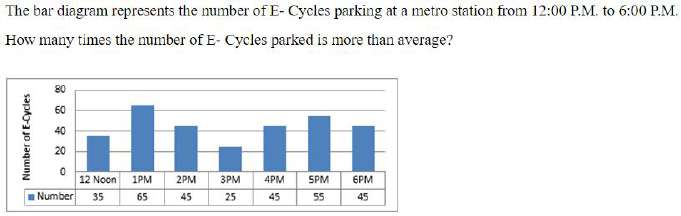
- (a)

- (b)

- (c)

- (d)

Show answer
Answer: (c)
- (a)
10.

- (a)

- (b)

- (c)

- (d)

Show answer
Answer: (d)
- (a)
11.

- (a)

- (b)

- (c)

- (d)

Show answer
Answer: (a)
- (a)
13.

- (a)

- (b)

- (c)

- (d)

Show answer
Answer: (d)
- (a)
14.
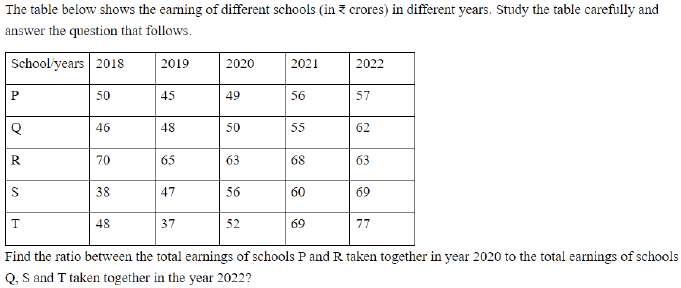
- (a)

- (b)

- (c)

- (d)

Show answer
Answer: (a)
- (a)
16. The percentage profit earned by selling an article for ₹955 is equal to the percentage loss incurred by selling the same article for ₹845. At what price should the article be sold to make a 6% profit?
- (a) ₹955
- (b) ₹954
- (c) ₹925
- (d) ₹1,014
Show answer
Answer: (b)
17.

- (a)

- (b)

- (c)

- (d)

Show answer
Answer: (d)
- (a)
18.

- (a)

- (b)

- (c)

- (d)

Show answer
Answer: (c)
- (a)
20.

- (a)

- (b)

- (c)

- (d)

Show answer
Answer: (d)
- (a)
Reasoning Ability and Problem Solving
1.
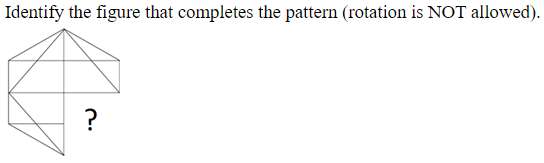
- (a)

- (b)

- (c)

- (d)

Show answer
Answer: (b)
- (a)
2.

- (a)

- (b)

- (c)

- (d)

Show answer
Answer: (a)
- (a)
3.

- (a)

- (b)

- (c)

- (d)

Show answer
Answer: (d)
- (a)
4.

- (a)

- (b)

- (c)

- (d)

Show answer
Answer: (b)
- (a)
6.

- (a)

- (b)

- (c)

- (d)

Show answer
Answer: (d)
- (a)
7.

- (a)
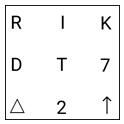
- (b)
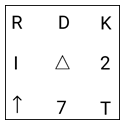
- (c)
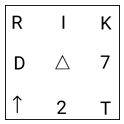
- (d)
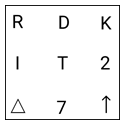
Show answer
Answer: (d)
- (a)
8.
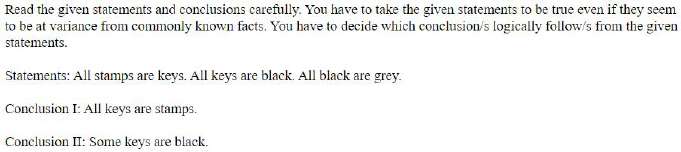
- (a)

- (b)

- (c)

- (d)

Show answer
Answer: (b)
- (a)
9.

- (a)

- (b)

- (c)

- (d)

Show answer
Answer: (b)
- (a)
10.

- (a)

- (b)

- (c)

- (d)

Show answer
Answer: (a)
- (a)
12.

- (a)

- (b)

- (c)

- (d)

Show answer
Answer: (c)
- (a)
13. Seven people, B, N, M, O, P, Y and S are sitting in a straight line, facing south. Only two people sit between P and S. N is the immediate neighbour of S and M. Only one person sits to the right of P. N sits second to the left of O. Y is an immediate neighbour of P. Total how many people sit between P and M?
- (a) Two
- (b) Four
- (c) Three
- (d) One
Show answer
Answer: (b)
14.
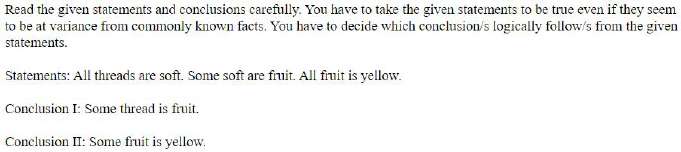
- (a)
- (b)
- (c)
- (d)
Show answer
Answer: (c)
- (a)
15.

- (a)

- (b)

- (c)

- (d)

Show answer
Answer: (b)
- (a)
16.

- (a)

- (b)

- (c)

- (d)

Show answer
Answer: (b)
- (a)
17.
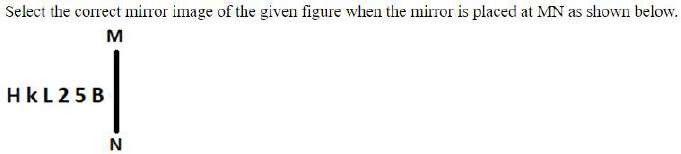
- (a)
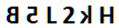
- (b)
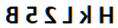
- (c)
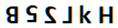
- (d)
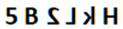
Show answer
Answer: (b)
- (a)
19.

- (a)

- (b)

- (c)

- (d)

Show answer
Answer: (b)
- (a)
20.

- (a)

- (b)

- (c)

- (d)

Show answer
Answer: (b)
- (a)
General Awareness
1. What is the maximum time gap between two sessions of the State Legislature?
- (a) Three months
- (b) Two months
- (c) Six months
- (d) One year
Show answer
Answer: (c)
2. In 1951, the first Asian Games was held in which city?
- (a) Jaipur
- (b) Pune
- (c) Mumbai
- (d) New Delhi
Show answer
Answer: (d)
3. What is a government budget?
- (a) A report on the economic growth of a country.
- (b) A plan for managing personal finances.
- (c) A financial statement of a government's expected revenue and expenditure for a specific period.
- (d) A document outlining foreign policy goals.
Show answer
Answer: (c)
5.

- (a)
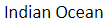
- (b)
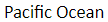
- (c)

- (d)
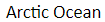
Show answer
Answer: (c)
- (a)
6. What is the meaning of the term ‘Collateral’ in banking?
- (a) An investment portfolio
- (b) A type of credit card
- (c) A form of digital payment
- (d) An asset pledged as security for a loan
Show answer
Answer: (d)
7. The word ‘kathak’ is derived from which of the following words?
- (a) Story
- (b) Narrator
- (c) Dance steps
- (d) Bells
Show answer
Answer: (a)
8. Which of the following autobiographies was written by Dr. APJ Abdul Kalam, the former president of India?
- (a) One Life is Not Enough
- (b) Waiting for a Visa
- (c) Atmakatha
- (d) Wings of Fire
Show answer
Answer: (d)
9. Which Indian musician got the prestigious Academy Award?
- (a) AR Rahman
- (b) Anu Malik
- (c) Naushad
- (d) Bappi Lahiri
Show answer
Answer: (a)
10. In relation to the state of Tamil Nadu, the Constitution (Scheduled Tribes) Order (Second Amendment) Act, 2022 will include the __________ and Kurivikkaran communities in the list of Scheduled Tribes in Tamil Nadu.
- (a) Narikoravan
- (b) Irular
- (c) Kadar
- (d) Kammara
Show answer
Answer: (a)
11. Which antibiotic is considered the first miracle drug, used to treat throat infections, meningitis, syphilis and other bacterial infections?
- (a) Aciclovir
- (b) Nifuratel
- (c) Penicillin
- (d) Metronidazole
Show answer
Answer: (c)
12. Which of the following is the Fundamental Law of any country which sets out the framework and the principal functions of various organs of the government?
- (a) Customs
- (b) International Law
- (c) Constitution
- (d) Ordinance
Show answer
Answer: (c)
13.

- (a)

- (b)

- (c)

- (d)

Show answer
Answer: (d)
- (a)
15. Jyothi Yarraji created a new national record in 2023 in which of the following sports?
- (a) Indoor hurdling
- (b) High jump
- (c) Shot put
- (d) Long jump
Show answer
Answer: (a)
16. Which physicist's experiment during a lecture in 1820 showed the connection between electricity and magnetism?
- (a) John Cockcroft
- (b) William Gilbert
- (c) Heinrich Hertz
- (d) Hans Christian Oersted
Show answer
Answer: (d)
17. In the performance of ________ dance, on one side raasa dances are performed by women, whereas on the opposite side instrumentalist play the pung choloms (drums) and the karataala (cymbals).
- (a) Kathakali
- (b) Yakshagana
- (c) Odissi
- (d) Manipuri
Show answer
Answer: (d)
18. Who among the following was the founder of the Khudai Khidmatgars, a powerful nonviolent movement among the Pathans of North-West Frontier Province?
- (a) Khan Abdul Ghaffar Khan
- (b) Abdul Qayyum Khan Kashmiri
- (c) Mohammad Ali Jinnah
- (d) Khan Abdul Jabbar Khan
Show answer
Answer: (a)
19. In which year was the Vernacular Press Act passed?
- (a) 1757 CE
- (b) 1878 CE
- (c) 1888 CE
- (d) 1600 CE
Show answer
Answer: (b)
20. Which state of India is associated with the famous thunderstorms ‘Kaal Baisakhi’?
- (a) West Bengal
- (b) Karnataka
- (c) Gujarat
- (d) Haryana
Show answer
Answer: (a)
21. According to Ministry of Commerce and Industry (2018-19), which state of India is the largest producer of Rubber?
- (a) Maharashtra
- (b) Gujarat
- (c) Kerala
- (d) Uttar Pradesh
Show answer
Answer: (c)
22. In which year was the first Khelo India Winter Games held?
- (a) 2022
- (b) 2019
- (c) 2021
- (d) 2020
Show answer
Answer: (d)
23. ‘Losoong’ festival, celebrated by the tribal community in ___________, is usually the time when the farmers rejoice and celebrate their harvest.
- (a) Sikkim
- (b) Jharkhand
- (c) Odisha
- (d) West Bengal
Show answer
Answer: (a)
24. According to the Human Development Index 2021, which group of neighbouring countries has ranked behind India?
- (a) Maldives and Bhutan
- (b) Pakistan and Afghanistan
- (c) Bangladesh and China
- (d) Sri Lanka and Bhutan
Show answer
Answer: (b)
25. Which of the following statements is true about the Great Bath of the Indus Valley Civilisation?
- (a) It was used for grain storage.
- (b) It was used for farming.
- (c) It was used as the water tank of the city.
- (d) It was probably used for religious purpose.
Show answer
Answer: (d)
English Language and Comprehension
1. Select the most appropriate option that can substitute the underlined segment in the given sentence. France is a largest country.
- (a) smaller
- (b) larger
- (c) smallest
- (d) large
Show answer
Answer: (d)
2. The following sentence has been split into four segments. Identify the segment that contains an error. Mr Sharma would have left / the station / by this time / tomorrow.
- (a) tomorrow
- (b) by this time
- (c) the station
- (d) Mr Sharma would have left
Show answer
Answer: (d)
3. Select the most appropriate meaning of the underlined idiom in the following sentence. “Do not turn a blind eye to all the mischief your child is up to”, the teacher told the young parent.
- (a) Close the door
- (b) Take pride in
- (c) Give rewards
- (d) Pretend not to notice
Show answer
Answer: (d)
4. Select the most appropriate option to fill in the blank. The mother ________ the chips because they were soggy.
- (a) saved
- (b) wasted
- (c) discarded
- (d) recovered
Show answer
Answer: (c)
5. Identify the most appropriate meaning of the given word. Hope
- (a) Caution
- (b) Realism
- (c) Cynicism
- (d) Wish
Show answer
Answer: (d)
6. Select the most appropriate meaning of the given idiom. Have egg on your face
- (a) Defeat someone thoroughly
- (b) To be made to look foolish or embarrassed
- (c) Making a choice between two unpleasant choices
- (d) Reveal a secret
Show answer
Answer: (b)
7. The following sentence contains some errors. Select the option that correctly rectifies the error. The tiger was tranquiliized in the morning and keept in a cage to avoid disturbannces by human beings.
- (a) The tiger was tranquilized in the morning and kept in a cage to avoiid disturbaences by human beings.
- (b) The tiger was tranquilized in the morning and kept in a cage to avoid disturbances by human beings.
- (c) The tiger was traanquilized in the morning and kept in a cage to avoid dissturbances by human beings.
- (d) The tiger was tranquiliized in the morning and keept in a cage to avoid disturbances by human beings.
Show answer
Answer: (b)
8. Select the most appropriate synonym of the bracketed word in the following sentence to fill in the blank. She’s reading a ________(secrecy) novel and can’t wait to find out who the killer is.
- (a) crisis
- (b) complication
- (c) difficulty
- (d) mystery
Show answer
Answer: (d)
9. The following sentence has been divided into parts. One of them may contain an error. Select the part that contains the error from the given options. If you don’t find any error, mark ‘No error’ as your answer. The viable of life / depends on a pair / of conflicting realities.
- (a) depends on a pair
- (b) No error
- (c) The viable of life
- (d) of conflicting realities
Show answer
Answer: (c)
10. Parts of the following sentence have been given as options. Select the option that contains an error. I shall be playing for four hours.
- (a) four hours
- (b) I
- (c) shall be playing
- (d) for
Show answer
Answer: (c)
11. Select the most appropriate meaning of the underlined segment in the given sentence. Our team is all on the same page when it comes to our goals for the upcoming project.
- (a) Be confused
- (b) Be in agreement
- (c) Be unsure
- (d) Be in conflict
Show answer
Answer: (b)
12. Select the most appropriate meaning of the given idiom. Bite the dust
- (a) To suffer a defeat
- (b) To fall from a height
- (c) To remain calm
- (d) To fall asleep
Show answer
Answer: (a)
13. Select the option that can be used as a one-word substitute for the given group of words. A person who avoids sensory pleasures and physical comforts
- (a) Frugal
- (b) Epicurean
- (c) Bohemian
- (d) Ascetic
Show answer
Answer: (d)
14. Select the INCORRECTLY spelt word.
- (a) Chivalrous
- (b) Expose
- (c) Conffess
- (d) Convict
Show answer
Answer: (c)
15. Select the option that can be used as a one-word substitute for the given group of words. A person living in solitude like a saint for religious practices.
- (a) Hermit
- (b) Cretin
- (c) Heir
- (d) Heretic
Show answer
Answer: (a)
16. Select the most appropriate ANTONYM of the given word. Clumsy
- (a) Jealous
- (b) Fierce
- (c) Graceful
- (d) Nervous
Show answer
Answer: (c)
17. Select the most appropriate option that can substitute the underlined segment in the given sentence. No sooner had the sun risen over the horizon when the birds began to chirp and the squirrels started to scamper around the park.
- (a) when the birds begin
- (b) than birds begin
- (c) when birds began
- (d) than the birds began
Show answer
Answer: (d)
18. Select the most appropriate option to fill in the blank. During the meeting, he went on a long and angry _______ about how the project was being mismanaged.
- (a) shout
- (b) whisper
- (c) rant
- (d) mutter
Show answer
Answer: (c)
19. The following sentence has been split into four segments. Identify the segment that contains a grammatical error. I had / a bad habit of / waking up / lately.
- (a) lately
- (b) waking up
- (c) a bad habit of
- (d) I had
Show answer
Answer: (a)
20. Select the most appropriate option to fill in the blank. Chaitnya was __________ from the school due to his misappropriate behaviour.
- (a) expelled
- (b) xpelled
- (c) expeled
- (d) xpeled
Show answer
Answer: (a)
PassageFor questions 21–25
In the following passage, some words have been deleted. Read the passage carefully and select the most appropriate option to fill in each blank. Once there was a king named Midas who was granted a (1)________ by Dionysus, the god of wine. For his wish, Midas asked that whatever he (2)________ would turn to gold. Despite Dionysus’ efforts to prevent it, Midas pleaded that this was a fantastic wish, and so, it was bestowed. Excited about his newly-earned (3)________, Midas started touching all kinds of things, turning each item into pure gold. But soon, Midas became (4)________. As he picked up a piece of food, he found he couldn’t eat it. It had turned to gold in his hand. Hungry, Midas groaned, “I’ll starve! Perhaps this was not such an excellent wish after all!” Seeing his dismay, Midas’ (5)________ daughter threw her arms around him to comfort him, and she, too, turned to gold. “The golden touch is no blessing,” Midas cried.
21. Select the most appropriate option to fill in blank number 1.
- (a) slavery
- (b) wish
- (c) employment
- (d) job
Show answer
Answer: (b)
22. Select the most appropriate option to fill in blank number 2.
- (a) next felt
- (b) touched
- (c) kept
- (d) left
Show answer
Answer: (b)
23. Select the most appropriate option to fill in blank number 3.
- (a) legacies
- (b) powers
- (c) awards
- (d) visuals
Show answer
Answer: (b)
24. Select the most appropriate option to fill in blank number 4.
- (a) mad
- (b) hungry
- (c) tired
- (d) angry
Show answer
Answer: (b)
25. Select the most appropriate option to fill in blank number 5.
- (a) estranged
- (b) guarded
- (c) beloved
- (d) hated
Show answer
Answer: (c)
Show answers
Answer key
Answer key as marked in the Staff Selection Commission’s response sheet. “—” means the sheet did not show it clearly.
Numerical and Mathematical Ability
- Q 2
- (b)
- Q 3
- (b)
- Q 4
- (a)
- Q 5
- (a)
- Q 6
- (a)
- Q 7
- (c)
- Q 10
- (d)
- Q 11
- (a)
- Q 13
- (d)
- Q 14
- (a)
- Q 16
- (b)
- Q 17
- (d)
- Q 18
- (c)
- Q 20
- (d)
Reasoning Ability and Problem Solving
- Q 1
- (b)
- Q 2
- (a)
- Q 3
- (d)
- Q 4
- (b)
- Q 6
- (d)
- Q 7
- (d)
- Q 8
- (b)
- Q 9
- (b)
- Q 10
- (a)
- Q 12
- (c)
- Q 13
- (b)
- Q 14
- (c)
- Q 15
- (b)
- Q 16
- (b)
- Q 17
- (b)
- Q 19
- (b)
- Q 20
- (b)
General Awareness
- Q 1
- (c)
- Q 2
- (d)
- Q 3
- (c)
- Q 5
- (c)
- Q 6
- (d)
- Q 7
- (a)
- Q 8
- (d)
- Q 9
- (a)
- Q 10
- (a)
- Q 11
- (c)
- Q 12
- (c)
- Q 13
- (d)
- Q 15
- (a)
- Q 16
- (d)
- Q 17
- (d)
- Q 18
- (a)
- Q 19
- (b)
- Q 20
- (a)
- Q 21
- (c)
- Q 22
- (d)
- Q 23
- (a)
- Q 24
- (b)
- Q 25
- (d)
English Language and Comprehension
- Q 1
- (d)
- Q 2
- (d)
- Q 3
- (d)
- Q 4
- (c)
- Q 5
- (d)
- Q 6
- (b)
- Q 7
- (b)
- Q 8
- (d)
- Q 9
- (c)
- Q 10
- (c)
- Q 11
- (b)
- Q 12
- (a)
- Q 13
- (d)
- Q 14
- (c)
- Q 15
- (a)
- Q 16
- (c)
- Q 17
- (d)
- Q 18
- (c)
- Q 19
- (a)
- Q 20
- (a)
- Q 21
- (b)
- Q 22
- (b)
- Q 23
- (b)
- Q 24
- (b)
- Q 25
- (c)