ExamBharo · SSC MTS 2023 — 14 September 2023, Shift 1 · exambharo.com/ssc-mts/previous-year-papers/ssc-mts-2023-14-sep-shift-1/
Question paper · SSC MTS & Havaldar
SSC MTS 2023 — 14 September 2023, Shift 1
14 September 2023 · 9:00 AM–11:00 AM79 of the paper’s 90 questions1 per correct answer
Questions from the Staff Selection Commission’s paper of 14 September 2023, 9:00 AM–11:00 AM.
Preparing for SSC MTS & Havaldar? Get more, free
Daily previous-year questions as quizzes, and every SSC MTS & Havaldar notice the day it is out.
Numerical and Mathematical Ability
1.

- (a)

- (b)

- (c)

- (d)

Show answer
Answer: (a)
- (a)
2.

- (a)

- (b)

- (c)

- (d)

Show answer
Answer: (a)
- (a)
4. Atul sells goods to a customer at a profit of P%. If the cost price of the goods for the customer is ₹1,50,000 and Atul makes a profit of ₹30,000, then what is the value of P?
- (a) 22
- (b) 25
- (c) 20
- (d) 28
Show answer
Answer: (b)
5.

- (a)

- (b)

- (c)

- (d)

Show answer
Answer: (c)
- (a)
7.

- (a)

- (b)

- (c)

- (d)

Show answer
Answer: (b)
- (a)
8.

- (a)

- (b)

- (c)

- (d)

Show answer
Answer: (a)
- (a)
9.

- (a)

- (b)

- (c)

- (d)

Show answer
Answer: (d)
- (a)
10.

- (a)

- (b)

- (c)

- (d)

Show answer
Answer: (a)
- (a)
11.

- (a)

- (b)

- (c)

- (d)

Show answer
Answer: (c)
- (a)
12.

- (a)
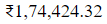
- (b)
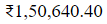
- (c)
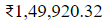
- (d)

Show answer
Answer: (a)
- (a)
13.

- (a)

- (b)

- (c)

- (d)

Show answer
Answer: (a)
- (a)
14.

- (a)

- (b)

- (c)

- (d)

Show answer
Answer: (c)
- (a)
15.

- (a)

- (b)

- (c)

- (d)

Show answer
Answer: (b)
- (a)
16.

- (a)

- (b)

- (c)

- (d)

Show answer
Answer: (a)
- (a)
17.
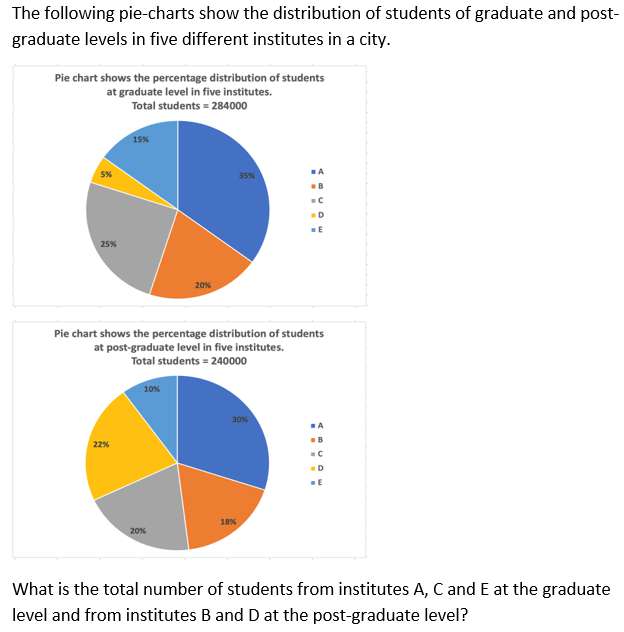
- (a)

- (b)

- (c)

- (d)

Show answer
Answer: (d)
- (a)
18.

- (a)

- (b)

- (c)

- (d)

Show answer
Answer: (a)
- (a)
Reasoning Ability and Problem Solving
1.
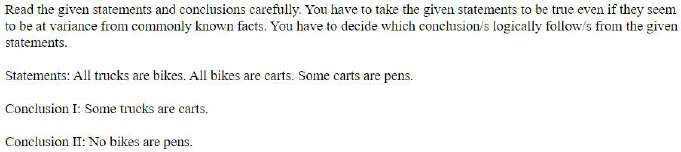
- (a)

- (b)

- (c)

- (d)

Show answer
Answer: (d)
- (a)
2.

- (a)

- (b)

- (c)

- (d)

Show answer
Answer: (a)
- (a)
3.

- (a)

- (b)

- (c)

- (d)

Show answer
Answer: (a)
- (a)
4.

- (a)
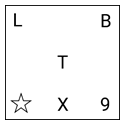
- (b)
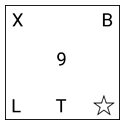
- (c)
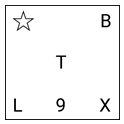
- (d)
Show answer
Answer: (c)
- (a)
5.

- (a)

- (b)

- (c)

- (d)

Show answer
Answer: (d)
- (a)
6.

- (a)

- (b)

- (c)

- (d)

Show answer
Answer: (c)
- (a)
7.

- (a)

- (b)

- (c)

- (d)

Show answer
Answer: (c)
- (a)
8.
- (a)
- (b)
- (c)
- (d)
Show answer
Answer: (d)
- (a)
9.

- (a)

- (b)

- (c)

- (d)

Show answer
Answer: (d)
- (a)
10.

- (a)
- (b)

- (c)

- (d)

Show answer
Answer: (d)
- (a)
11.

- (a)
- (b)
- (c)

- (d)
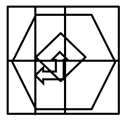
Show answer
Answer: (b)
- (a)
12.

- (a)

- (b)

- (c)

- (d)

Show answer
Answer: (d)
- (a)
14.

- (a)

- (b)

- (c)

- (d)

Show answer
Answer: (d)
- (a)
15.

- (a)

- (b)

- (c)

- (d)

Show answer
Answer: (b)
- (a)
17.
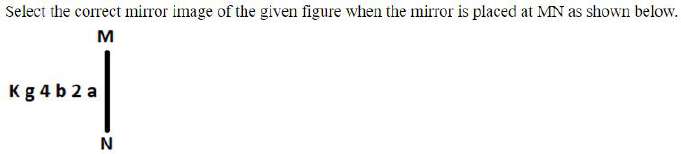
- (a)
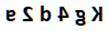
- (b)
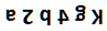
- (c)
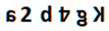
- (d)
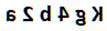
Show answer
Answer: (d)
- (a)
18.

- (a)

- (b)

- (c)

- (d)

Show answer
Answer: (d)
- (a)
20.

- (a)

- (b)

- (c)

- (d)

Show answer
Answer: (d)
- (a)
General Awareness
1.

- (a)

- (b)

- (c)

- (d)

Show answer
Answer: (d)
- (a)
2. ‘The Palace of Illusions’, a rendition of the Hindu epic ‘Mahabharata’, was written by which of the following novelists?
- (a) Chitra Banerjee Divakaruni
- (b) Pratibha Ray
- (c) Devi Yesodharan
- (d) Indu Sundaresan
Show answer
Answer: (a)
3. G Krishnakumar was appointed chairman of which of the following in 2023?
- (a) Oil and Natural Gas Corporation Limited
- (b) Indian Oil Corporation Limited
- (c) Bharat Petroleum Corporation Limited
- (d) Hindustan Petroleum Corporation Limited
Show answer
Answer: (c)
4. ______________ was the first Indian woman to write an autobiography and also the first to do so in Bengali in her book titled ‘Aamar Jiban’, which was published in 1876.
- (a) Rassundari Devi
- (b) Manikuntala Sen
- (c) Sarala Devi Chaudhurani
- (d) Santisudha Ghosh
Show answer
Answer: (a)
5. Where is the Vivekanand Rock Memorial situated?
- (a) Port Blair
- (b) Vishakhapatnam
- (c) Kanyakumari
- (d) Chennai
Show answer
Answer: (c)
6. Under which Act was the rule of British Crown established over India?
- (a) Government of India Act 1833
- (b) Charter Act of 1813
- (c) Regulating Act of 1773
- (d) Government of India Act 1858
Show answer
Answer: (d)
7. The Kolar region of Karnataka is famous for which mineral from the following?
- (a) Coal
- (b) Gold
- (c) Petroleum
- (d) Copper
Show answer
Answer: (b)
8.
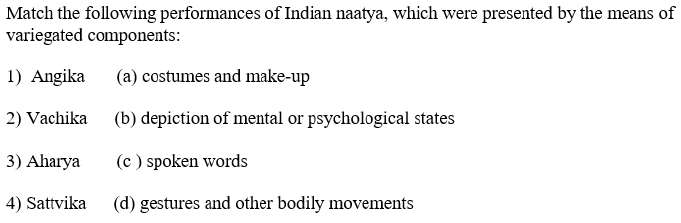
- (a) 1-c, 2-b, 3-d, 4-a
- (b) 1-a, 2-b, 3-d, 4-c
- (c) 1-d, 2-c, 3-a, 4-b
- (d) 1-c, 2-a, 3-b, 4-d
Show answer
Answer: (c)
9. In Fencing, a contest between the two fencers is known as:
- (a) bout
- (b) remise
- (c) parry
- (d) riposte
Show answer
Answer: (a)
10. In which year has the Government of India instituted Arjuna Award to recognise outstanding achievement in national sports events?
- (a) 1961
- (b) 1963
- (c) 1964
- (d) 1962
Show answer
Answer: (a)
11. ‘Atla Taddi’, a festival celebrated by married and unmarried women alike to seek the blessings of Devi Gauri for a long and happy married life and a suitable groom, respectively, is celebrated in ____________.
- (a) Andhra Pradesh
- (b) Kerala
- (c) Chhattisgarh
- (d) Odisha
Show answer
Answer: (a)
12. PT Usha was elected as the president of which association in December 2022?
- (a) Indian Olympic Association
- (b) Haryana Olympic Association
- (c) National Rifle Association of India
- (d) Badminton Association of India
Show answer
Answer: (a)
14. What is the full form of UPSC?
- (a) United Public Security Commission
- (b) United Power & Security Commission
- (c) Union Private Service Committee
- (d) Union Public Service Commission
Show answer
Answer: (d)
15. To which of the state does Sattriya classical dance belong?
- (a) Maharashtra
- (b) Madhya Pradesh
- (c) Karnataka
- (d) Assam
Show answer
Answer: (d)
16.

- (a)

- (b)

- (c)
- (d)

Show answer
Answer: (d)
- (a)
18. Which of the following is NOT a function of money?
- (a) Barter system
- (b) Store of value
- (c) Unit of account
- (d) Medium of exchange
Show answer
Answer: (a)
20.

- (a)

- (b)

- (c)

- (d)

Show answer
Answer: (a)
- (a)
21. Which Indian musician is associated with the tabla?
- (a) Ustad Bismillah Khan
- (b) Zakir Hussain
- (c) Pandit Ravishankar
- (d) Ilaiyaraja
Show answer
Answer: (b)
22. On whose advice did Gandhiji spend a year travelling around British India to know the people of India?
- (a) Krishnashankar Pandya
- (b) Mohammad Ali Jinnah
- (c) Shrimad Rajchandra
- (d) Gopal Krishna Gokhale
Show answer
Answer: (d)
24. Which of the following fundamental duties was added to the Indian Constitution by the 86th Constitutional Amendment Act, 2002?
- (a) To abide by the Constitution and respect its ideals and institutions, the National Flag and the National Anthem
- (b) To protect and to improve the natural environment including forests, lakes, rivers and wildlife, and to have compassion for living creatures
- (c) To provide opportunities for education to his/her child or, as the case may be, ward between the age of six and fourteen years
- (d) To cherish and follow the noble ideals which inspired our national struggle for freedom
Show answer
Answer: (c)
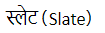
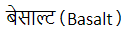
25.

- (a)
- (b)

- (c)

- (d)
Show answer
Answer: (a)
- (a)
English Language and Comprehension
1. Select the most appropriate option to fill in the blank. Dr. APJ Abdul Kalam was a great man with a high level of ________.
- (a) intelligent humour
- (b) wise boredom
- (c) intellect
- (d) clever fatigue
Show answer
Answer: (c)
2. The following sentence contains some errors. Select the option that correctly rectifies the error. The forses that genarate conditions conduciive to crime and riiots are stronger in urban communities than in rurral areas.
- (a) The forsec that genarate conditions conduciive to crime and riots are stronger in urban communities than in rurall areas.
- (b) The forces that genereta conditions conducieve to crime and riotts are stronger in urban communities than in rural areas.
- (c) The forces that generate conditions conducive to crime and riots are stronger in urban communities than in rural areas.
- (d) The forces that genarete conditions conduciive to crime and riots are stronger in urban communities than in ruraal areas.
Show answer
Answer: (c)
3. Select the most appropriate option that can substitute the underlined segment in the given sentence. I found my teacher’s points casual and informal in the group discussion.
- (a) flesh and blood
- (b) free and easy
- (c) foot the bill
- (d) fair and square
Show answer
Answer: (b)
4. Select the word which means the same as the group of words given. One who is all powerful.
- (a) Omnipresent
- (b) Omnipotent
- (c) Optimist
- (d) Omniscient
Show answer
Answer: (b)
5. Select the most appropriate option that can substitute the underlined segment in the given sentence. Ramesh is owning a beautiful house in Noida.
- (a) did owned
- (b) owns
- (c) has owning
- (d) was owned
Show answer
Answer: (b)
6. Parts of the following sentence have been given as options. Select the option that contains an error. When Nisha will have finished her task?
- (a) have
- (b) When Nisha will
- (c) finished
- (d) her task
Show answer
Answer: (b)
7. Select the most appropriate option that can substitute the underlined segment in the given sentence. He push the bushes aside and went a little farther.
- (a) pushed with bush
- (b) pushing the bush
- (c) pushes in bush
- (d) pushed the bushes
Show answer
Answer: (d)
8. Select the option that can be used as a one-word substitute for the given group of words. Copying someone else’s work and trying to submit it as your own
- (a) Plagiarism
- (b) Polygamy
- (c) Preamble
- (d) Extempore
Show answer
Answer: (a)
9. Select the most appropriate meaning of the given idiom. Beauty of it
- (a) Make things worse
- (b) Cause for dispute
- (c) Quite ordinary
- (d) Good points
Show answer
Answer: (d)
10. Select the most appropriate synonym of the underlined word. The girl was manacled and locked in the room.
- (a) unfastened
- (b) liberated
- (c) fettered
- (d) unbinded
Show answer
Answer: (c)
11. Select the most appropriate ANTONYM of the underlined word. Addiction of drugs proved detrimental for his health.
- (a) Impartial
- (b) Potential
- (c) Beneficial
- (d) Differential
Show answer
Answer: (c)
12. Select the most appropriate synonym of the given word. Plunge
- (a) Transgress
- (b) Dive
- (c) Rush
- (d) Fly
Show answer
Answer: (b)
13. Select the INCORRECTLY spelt word.
- (a) Tomatos
- (b) Weather
- (c) Vehicle
- (d) Professor
Show answer
Answer: (a)
14. Select the most appropriate option that can rectify the underlined segment in the given sentence. If there is no need to rectify it, select ‘no rectification needed’. I used a variety of sources to find the more cheap flight.
- (a) no rectification needed
- (b) cheaper
- (c) cheapest
- (d) cheap
Show answer
Answer: (c)
15. Select the INCORRECTLY spelt word in the given sentence. All the members of my family are planning to visit Jammu and Kashmir this Novembur.
- (a) Novembur
- (b) Planning
- (c) Visit
- (d) Members
Show answer
Answer: (a)
16. Parts of the following sentence have been given as options. Select the option that contains an error. Ravi will go to the England.
- (a) the England
- (b) will
- (c) Ravi
- (d) go to
Show answer
Answer: (a)
17. Select the most appropriate response in the given situation of the eve of a battle to fill in the blank. The commander: “Honourable Emperor, all the troops have lined up for the battle and are awaiting your orders.” Emperor Chandragupta Maurya: “______________________.”
- (a) We will march at dawn.
- (b) You should learn how to talk to an emperor.
- (c) We will be playing cards.
- (d) We are ready for the pilgrimage.
Show answer
Answer: (a)
18. Select the most appropriate meaning of the underlined idiom. We prefer going to movies once in a blue moon.
- (a) Very rarely
- (b) Very amazingly
- (c) Very diligently
- (d) Very often
Show answer
Answer: (a)
19. The following sentence has been split into four segments. Identify the segment that contains an error. My father told me / that in his childhood / he was walking / to school every day.
- (a) he was walking
- (b) that in his childhood
- (c) My father told me
- (d) to school every day
Show answer
Answer: (a)
20. Select the most appropriate meaning of the underlined idiom in the given sentence. Today’s question paper felt like a cakewalk.
- (a) Very sweet
- (b) Very tasty
- (c) Very easy
- (d) Very difficult
Show answer
Answer: (c)
PassageFor questions 21–25
In the following passage some words have been deleted. Fill in the blanks with the help of the alternatives given. Select the most appropriate option for each number. Modern football (1)________in Britain in the 19th century. Since before medieval times, ‘folk football’ games had been played in towns and villages according to local customs and with a (2)_______of rules. Industrialisation and (3)________, which reduced the amount of leisure time and space available to the working class, combined with a history of legal prohibitions against particularly (4)________ and destructive forms of folk football to undermine the game’s status from the early 19th century onward. However, football was taken up as a winter game between residence houses at public (independent) schools such as Winchester, Charterhouse and Eton. Each school had its own rules; some allowed limited handling of the ball and others did not. The (5)_________in rules made it difficult for public schoolboys entering university to continue playing except with former schoolmates.
21. Select the most appropriate option to fill in blank no. 1.
- (a) terminated
- (b) culminated
- (c) originated
- (d) fragmented
Show answer
Answer: (c)
22. Select the most appropriate option to fill in blank no. 2.
- (a) optimum
- (b) variance
- (c) minimum
- (d) maximum
Show answer
Answer: (c)
23. Select the most appropriate option to fill in blank no. 3.
- (a) normalisation
- (b) urbanisation
- (c) standardisation
- (d) implementation
Show answer
Answer: (b)
24. Select the most appropriate option to fill in blank no. 4.
- (a) traces
- (b) undercurrents
- (c) calm
- (d) violent
Show answer
Answer: (d)
25. Select the most appropriate option to fill in blank no. 5.
- (a) grouse
- (b) grunt
- (c) variance
- (d) control
Show answer
Answer: (c)
Show answers
Answer key
Answer key as marked in the Staff Selection Commission’s response sheet. “—” means the sheet did not show it clearly.
Numerical and Mathematical Ability
- Q 1
- (a)
- Q 2
- (a)
- Q 4
- (b)
- Q 5
- (c)
- Q 7
- (b)
- Q 8
- (a)
- Q 9
- (d)
- Q 10
- (a)
- Q 11
- (c)
- Q 12
- (a)
- Q 13
- (a)
- Q 14
- (c)
- Q 15
- (b)
- Q 16
- (a)
- Q 17
- (d)
- Q 18
- (a)
Reasoning Ability and Problem Solving
- Q 1
- (d)
- Q 2
- (a)
- Q 3
- (a)
- Q 4
- (c)
- Q 5
- (d)
- Q 6
- (c)
- Q 7
- (c)
- Q 8
- (d)
- Q 9
- (d)
- Q 10
- (d)
- Q 11
- (b)
- Q 12
- (d)
- Q 14
- (d)
- Q 15
- (b)
- Q 17
- (d)
- Q 18
- (d)
- Q 20
- (d)
General Awareness
- Q 1
- (d)
- Q 2
- (a)
- Q 3
- (c)
- Q 4
- (a)
- Q 5
- (c)
- Q 6
- (d)
- Q 7
- (b)
- Q 8
- (c)
- Q 9
- (a)
- Q 10
- (a)
- Q 11
- (a)
- Q 12
- (a)
- Q 14
- (d)
- Q 15
- (d)
- Q 16
- (d)
- Q 18
- (a)
- Q 20
- (a)
- Q 21
- (b)
- Q 22
- (d)
- Q 24
- (c)
- Q 25
- (a)
English Language and Comprehension
- Q 1
- (c)
- Q 2
- (c)
- Q 3
- (b)
- Q 4
- (b)
- Q 5
- (b)
- Q 6
- (b)
- Q 7
- (d)
- Q 8
- (a)
- Q 9
- (d)
- Q 10
- (c)
- Q 11
- (c)
- Q 12
- (b)
- Q 13
- (a)
- Q 14
- (c)
- Q 15
- (a)
- Q 16
- (a)
- Q 17
- (a)
- Q 18
- (a)
- Q 19
- (a)
- Q 20
- (c)
- Q 21
- (c)
- Q 22
- (c)
- Q 23
- (b)
- Q 24
- (d)
- Q 25
- (c)