ExamBharo · SSC MTS 2023 — 13 September 2023, Shift 3 · exambharo.com/ssc-mts/previous-year-papers/ssc-mts-2023-13-sep-shift-3/
Question paper · SSC MTS & Havaldar
SSC MTS 2023 — 13 September 2023, Shift 3
13 September 2023 · 4:00 PM–6:00 PM80 of the paper’s 90 questions1 per correct answer
Questions from the Staff Selection Commission’s paper of 13 September 2023, 4:00 PM–6:00 PM.
Preparing for SSC MTS & Havaldar? Get more, free
Daily previous-year questions as quizzes, and every SSC MTS & Havaldar notice the day it is out.
Numerical and Mathematical Ability
1.

- (a)

- (b)
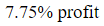
- (c)

- (d)
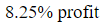
Show answer
Answer: (c)
- (a)
2.

- (a)

- (b)

- (c)

- (d)

Show answer
Answer: (b)
- (a)
3.

- (a)

- (b)

- (c)

- (d)

Show answer
Answer: (b)
- (a)
4.

- (a)

- (b)

- (c)

- (d)

Show answer
Answer: (d)
- (a)
5. A shopkeeper bought an oven for ₹25,000 and sold it for ₹29,500. He spent ₹1,500 as overheads. What is his loss or gain percentage (rounded off to the nearest integer)?
- (a) Loss by 11%
- (b) Gain by 13%
- (c) Loss by 13%
- (d) Gain by 11%
Show answer
Answer: (d)
6.

- (a)

- (b)

- (c)

- (d)

Show answer
Answer: (c)
- (a)
7.

- (a)

- (b)

- (c)

- (d)

Show answer
Answer: (b)
- (a)
8.
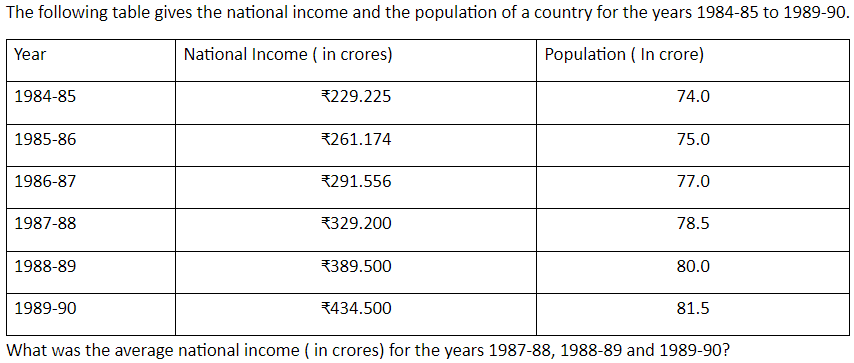
- (a)

- (b)

- (c)

- (d)

Show answer
Answer: (b)
- (a)
9.

- (a)

- (b)

- (c)

- (d)

Show answer
Answer: (d)
- (a)
10. What is the average of natural numbers from 1 to 73?
- (a)

- (b)

- (c)

- (d)

Show answer
Answer: (b)
- (a)
11.
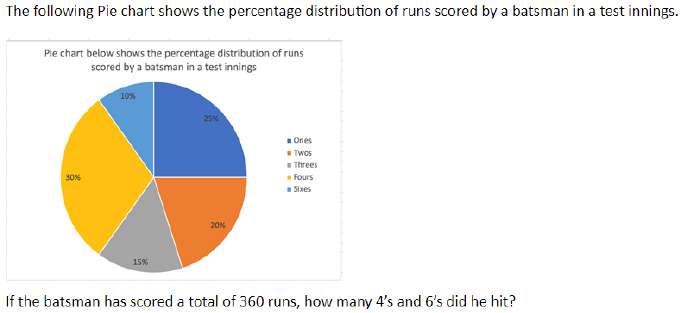
- (a)

- (b)

- (c)

- (d)

Show answer
Answer: (c)
- (a)
12.

- (a)

- (b)

- (c)
- (d)
Show answer
Answer: (c)
- (a)
13.

- (a)

- (b)

- (c)

- (d)

Show answer
Answer: (a)
- (a)
15.

- (a)

- (b)

- (c)

- (d)

Show answer
Answer: (a)
- (a)
16.

- (a)

- (b)

- (c)

- (d)

Show answer
Answer: (a)
- (a)
17.

- (a)
- (b)

- (c)

- (d)

Show answer
Answer: (b)
- (a)
20. A car covers 60 km at a speed of 84 km/h. If the average speed for the whole journey is 72 km/h, then the speed of the car for the next 60 km of the journey is:
- (a) 63 km/h
- (b) 68 km/h
- (c) 78 km/h
- (d) 75 km/h
Show answer
Answer: (a)
Reasoning Ability and Problem Solving
1.

- (a)

- (b)

- (c)

- (d)

Show answer
Answer: (d)
- (a)
2.

- (a)

- (b)

- (c)

- (d)

Show answer
Answer: (d)
- (a)
3.

- (a)
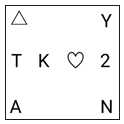
- (b)
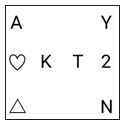
- (c)
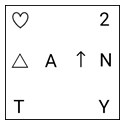
- (d)
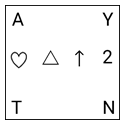
Show answer
Answer: (b)
- (a)
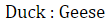
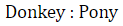
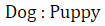
4.

- (a)

- (b)
- (c)
- (d)
Show answer
Answer: (a)
- (a)
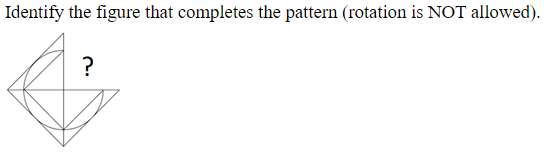
5.
- (a)

- (b)

- (c)

- (d)

Show answer
Answer: (c)
- (a)
6.

- (a)

- (b)

- (c)

- (d)

Show answer
Answer: (d)
- (a)
8.

- (a)

- (b)

- (c)

- (d)

Show answer
Answer: (c)
- (a)
9.

- (a)

- (b)

- (c)

- (d)

Show answer
Answer: (c)
- (a)
10.

- (a)

- (b)

- (c)

- (d)

Show answer
Answer: (d)
- (a)
12.
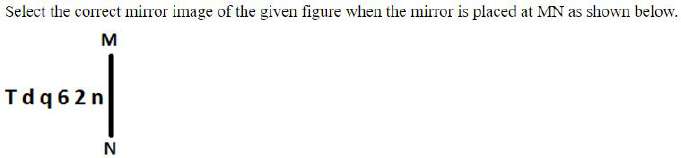
- (a)
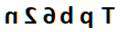
- (b)
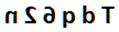
- (c)
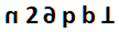
- (d)
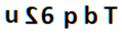
Show answer
Answer: (b)
- (a)
13.

- (a)

- (b)

- (c)

- (d)

Show answer
Answer: (c)
- (a)
14.

- (a)

- (b)

- (c)

- (d)

Show answer
Answer: (c)
- (a)
15.
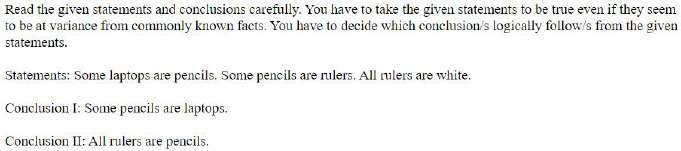
- (a)

- (b)

- (c)

- (d)

Show answer
Answer: (b)
- (a)
16.

- (a)

- (b)

- (c)

- (d)

Show answer
Answer: (d)
- (a)
17. Seven people, W, D, J, S, H, G and Y are sitting in a straight line, facing south. G sits second to the left of S. G is the immediate neighbour of D and H. Y sits third to the right of D. Only two people sit to the right of W. Who sits at the extreme right end of the line?
- (a) W
- (b) Y
- (c) J
- (d) G
Show answer
Answer: (c)
18.
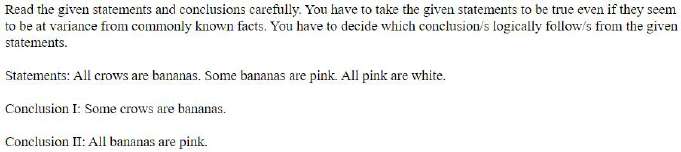
- (a)
- (b)
- (c)
- (d)
Show answer
Answer: (c)
- (a)
19.

- (a)

- (b)

- (c)

- (d)

Show answer
Answer: (b)
- (a)
20.

- (a)

- (b)

- (c)

- (d)

Show answer
Answer: (b)
- (a)
General Awareness
1. In which year was the Pradhan Mantri Rojgar Protsahan Yojana (PMRPY) launched?
- (a) 2018
- (b) 2015
- (c) 2016
- (d) 2022
Show answer
Answer: (c)
2. The film based on which of the following novels by Amrita Pritam won the National Film Award?
- (a) Nagmani
- (b) Raseedi Ticket
- (c) Village No.36
- (d) Pinjar
Show answer
Answer: (d)
3.

- (a)

- (b)

- (c)

- (d)

Show answer
Answer: (c)
- (a)
4. Who was the Prime Minster of India when the Fundamental Duties were first incorporated in the Constitution of India?
- (a) Jawaharlal Nehru
- (b) Indira Gandhi
- (c) Atal Bihari Vajpayee
- (d) Rajiv Gandhi
Show answer
Answer: (b)
5. Who said the following? “Money is what money does.”
- (a) Prof. Seligman
- (b) Prof. Cole
- (c) Prof. Walker
- (d) Prof. Robertson
Show answer
Answer: (c)
6. Which of the following ports is located in Odisha?
- (a) Haldia port
- (b) Kandla port
- (c) Paradip Port
- (d) Tuticorin Port
Show answer
Answer: (c)
7. Rohini Bhate, Pandit Munnalal Shukla, Kumudini Lakhia and Uma Sharma are famous exponents of which of the following classical dance forms?
- (a) Bharatanatyam
- (b) Kathakali
- (c) Kathak
- (d) Kuchipudi
Show answer
Answer: (c)
8.

- (a)

- (b)

- (c)

- (d)
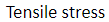
Show answer
Answer: (a)
- (a)
9. India played the final of ODI Cricket World Cup 2011 against which country?
- (a) Australia
- (b) Sri Lanka
- (c) England
- (d) Pakistan
Show answer
Answer: (b)
10. Mohiniyattam is a classical dance style belongs to ________________.
- (a) Kerala
- (b) Odisha
- (c) Manipur
- (d) Tamil Nadu
Show answer
Answer: (a)
11. Which of the following is NOT a feature of the Indian political party system?
- (a) Lack of effective opposition
- (b) Single party system
- (c) Multi-party system
- (d) Factions and defections
Show answer
Answer: (b)
12. Which of the following was the first Satyagraha Movement led by Mahatma Gandhi in British India?
- (a) Champaran Satyagraha
- (b) Kheda Satyagraha
- (c) Rowlatt Satyagraha
- (d) Bardoli Satyagraha
Show answer
Answer: (a)
14. The fundamental vocabulary of __________ dance constitutes mock combat techniques, stylised gaits of birds and animals and movements modelled on the chores of village housewives and mostly performed by male dancers in Eastern India.
- (a) Manipuri
- (b) Kathakali
- (c) Chhau
- (d) Sattariya
Show answer
Answer: (c)
15. The Red Fort is located in:
- (a) Lucknow
- (b) Delhi
- (c) Indore
- (d) Ahmedabad
Show answer
Answer: (b)
16. The Goa government launched a new scheme in November 2022 for which of the following?
- (a) Ithihas Darshan
- (b) Goa Darshan
- (c) Bharat Darshan
- (d) Dev Darshan
Show answer
Answer: (d)
17. Ruturaj Gaikwad became the first batsman in List-A cricket to hit how many sixes in an over?
- (a) 4
- (b) 5
- (c) 6
- (d) 7
Show answer
Answer: (d)
19. Camels are found in which type of forests in India from the following?
- (a) Montane forests
- (b) The thorn forest and scrubs
- (c) Mangrove forests
- (d) Tropical evergreen forests
Show answer
Answer: (b)
20. Under whom among the following British Governor-Generals was the new policy of ‘paramountcy’ initiated in British India by the East India Company?
- (a) Lord Hastings
- (b) Lord Amherst
- (c) Lord Wellesley
- (d) Lord Cornwallis
Show answer
Answer: (a)
21. Paryushana Parva is a festival of which of the following communities?
- (a) Jain
- (b) Christian
- (c) Parsi
- (d) Hindu
Show answer
Answer: (a)
22. Who coined the word ‘cell’ in the 1600s, from the Latin word ‘cellula’, meaning ‘small room’?
- (a) Louis Pasteur
- (b) Robert Hooke
- (c) Theodor Schwann
- (d) Lynn Margulis
Show answer
Answer: (b)
23. Which of the following is a feature of Micro Finance Institutions?
- (a) Financial service to government employees
- (b) Finance service to Union ministers
- (c) Financial service to corporate
- (d) Financial service to disadvantaged people
Show answer
Answer: (d)
24. Which of the following States became the overall champions in both the men’s and women’s categories in the 2023 Janjatiya Khel Mahotsav?
- (a) Chhattisgarh
- (b) Karnataka
- (c) Jharkhand
- (d) Odisha
Show answer
Answer: (d)
25.

- (a)

- (b)

- (c)

- (d)

Show answer
Answer: (d)
- (a)
English Language and Comprehension
1. The following sentence has been split into four segments. Identify the segment that contains a grammatical error and select the option which rectifies that error. The space agency wanted / to test with a chimp / before orbiting a astronaut / in a Mercury capsule.
- (a) The space agency want
- (b) in an Mercury capsule.
- (c) before orbiting an astronaut
- (d) to test with an chimp
Show answer
Answer: (c)
2. Select the most appropriate option that can substitute the underlined segment in the given sentence. They said that he is not going to call them.
- (a) he shall not call them
- (b) he has not gone to call then
- (c) they are not going to call them
- (d) he was not going to call them
Show answer
Answer: (d)
4. Select the most appropriate meaning of the underlined idiom. The entrepreneur decided to throw caution to the wind.
- (a) Take a risk
- (b) Take the best option
- (c) Think innovatively
- (d) In extreme windy conditions
Show answer
Answer: (a)
5. Select the most appropriate synonym of the given word. Tedious
- (a) Carefree
- (b) Hostile
- (c) Dynamic
- (d) Dreary
Show answer
Answer: (d)
6. Select the option that can be used as a one-word substitute for the given group of words. Not fit for eating
- (a) Inept
- (b) Ineligible
- (c) Ineluctable
- (d) Inedible
Show answer
Answer: (d)
7. The following sentence has been split into four segments. Identify the segment that contains an error. If he had paid / attention to the announcement, / he had not / missed the train.
- (a) If he had paid
- (b) he had not
- (c) attention to the announcement
- (d) missed the train
Show answer
Answer: (b)
8. Select the most appropriate meaning of the given idiom. Child’s play
- (a) In someone’s role
- (b) Something very easy
- (c) Weakness
- (d) Just behaviour
Show answer
Answer: (b)
9. Select the option that rectifies the spelling of the underlined word in the given sentence. The tour company has included all the activities that you have requested in your itenarary.
- (a) itinerarey
- (b) itenerarey
- (c) itinerary
- (d) itenerary
Show answer
Answer: (c)
10. Select the most appropriate meaning of the given idiom. Spill the beans
- (a) To believe something as it seems
- (b) To tell a secret
- (c) To do things in a fair way
- (d) To cry over what is done
Show answer
Answer: (b)
11. Select the most appropriate meaning of the underlined idiom. The mother requested the nurse to keep an eye on the baby while she went for tea.
- (a) Keep informed
- (b) Mistreat
- (c) Watch and take care
- (d) Watch for the arrival or appearance
Show answer
Answer: (c)
12. Select the most appropriate option that can substitute the underlined segment in the given sentence. If you need any help tomorrow, let him knows.
- (a) let me know
- (b) let us known
- (c) let him known
- (d) let them knew
Show answer
Answer: (a)
13. Select the most appropriate option that can substitute the underlined segment in the given sentence. Helena loves to dig and played in the dirt like any other child.
- (a) playing on dirt
- (b) playing with in dirt
- (c) plays of dirt
- (d) play in the dirt
Show answer
Answer: (d)
15. Select the most appropriate option that can substitute the underlined segment in the given sentence. Everyone likes in watch a magic show.
- (a) likes to watching
- (b) like in watching
- (c) likes to watch
- (d) liked in watch
Show answer
Answer: (c)
17. Select the most appropriate option to fill in the blank. He is first ______ to his job and then to his family.
- (a) enabled
- (b) committed
- (c) confirmed
- (d) convinced
Show answer
Answer: (b)
18. Select the most appropriate synonym of the given word. Pretend
- (a) Feign
- (b) Benign
- (c) Align
- (d) Reign
Show answer
Answer: (a)
19. Select the most appropriate ANTONYM of the given word. Align
- (a) Position
- (b) Disrupt
- (c) Centre
- (d) Coincide
Show answer
Answer: (b)
20. Select the option that rectifies the spelling of the underlined word in the given sentence. One of her colleagues had agreed to act as the arbitratore in finalising the contract.
- (a) arbitetrator
- (b) arbitor
- (c) arbitraitor
- (d) arbitrator
Show answer
Answer: (d)
PassageFor questions 21–25
In the following passage, some words have been deleted. Read the passage carefully and select the most appropriate option to fill in each blank. There will only be two types of human beings in the future: the minority having enormous brains and (1)________ bodies, and the majority with tiny brains and muscular bodies. The size of the average brain will (2)________ diminish; not because of our innate laziness, but because of our over-concern about our physical appearance. In the old days, most people dreamt of having shelter and a stable food supply. As we no longer struggle for the basic (3)________, our dreams focus instead on the search for physical beauty, how to obtain and maintain the ‘ideal body shape’ and healthy life the media promotes. Physical beauty will become the main goal of the majority. They’ll do exercises every day, taking (4)________ to maintain their shape while not noticing that their brains are shrinking. Actually, there is no doubt that they’ll work (5)________ hard to make their brains smaller.
21. Select the most appropriate option to fill in blank number 1.
- (a) cute
- (b) minor
- (c) tiny
- (d) minute
Show answer
Answer: (c)
22. Select the most appropriate option to fill in blank number 2.
- (a) properly
- (b) gradually
- (c) appropriately
- (d) slightly
Show answer
Answer: (b)
23. Select the most appropriate option to fill in blank number 3.
- (a) necessities
- (b) identities
- (c) facilities
- (d) amenities
Show answer
Answer: (a)
24. Select the most appropriate option to fill in blank number 4.
- (a) nutrition
- (b) nutrients
- (c) preservatives
- (d) additives
Show answer
Answer: (b)
25. Select the most appropriate option to fill in blank number 5.
- (a) so
- (b) rarely
- (c) impishly
- (d) extremely
Show answer
Answer: (d)
Show answers
Answer key
Answer key as marked in the Staff Selection Commission’s response sheet. “—” means the sheet did not show it clearly.
Numerical and Mathematical Ability
- Q 1
- (c)
- Q 2
- (b)
- Q 3
- (b)
- Q 4
- (d)
- Q 5
- (d)
- Q 6
- (c)
- Q 7
- (b)
- Q 8
- (b)
- Q 9
- (d)
- Q 10
- (b)
- Q 11
- (c)
- Q 12
- (c)
- Q 13
- (a)
- Q 15
- (a)
- Q 16
- (a)
- Q 17
- (b)
- Q 20
- (a)
Reasoning Ability and Problem Solving
- Q 1
- (d)
- Q 2
- (d)
- Q 3
- (b)
- Q 4
- (a)
- Q 5
- (c)
- Q 6
- (d)
- Q 8
- (c)
- Q 9
- (c)
- Q 10
- (d)
- Q 12
- (b)
- Q 13
- (c)
- Q 14
- (c)
- Q 15
- (b)
- Q 16
- (d)
- Q 17
- (c)
- Q 18
- (c)
- Q 19
- (b)
- Q 20
- (b)
General Awareness
- Q 1
- (c)
- Q 2
- (d)
- Q 3
- (c)
- Q 4
- (b)
- Q 5
- (c)
- Q 6
- (c)
- Q 7
- (c)
- Q 8
- (a)
- Q 9
- (b)
- Q 10
- (a)
- Q 11
- (b)
- Q 12
- (a)
- Q 14
- (c)
- Q 15
- (b)
- Q 16
- (d)
- Q 17
- (d)
- Q 19
- (b)
- Q 20
- (a)
- Q 21
- (a)
- Q 22
- (b)
- Q 23
- (d)
- Q 24
- (d)
- Q 25
- (d)
English Language and Comprehension
- Q 1
- (c)
- Q 2
- (d)
- Q 4
- (a)
- Q 5
- (d)
- Q 6
- (d)
- Q 7
- (b)
- Q 8
- (b)
- Q 9
- (c)
- Q 10
- (b)
- Q 11
- (c)
- Q 12
- (a)
- Q 13
- (d)
- Q 15
- (c)
- Q 17
- (b)
- Q 18
- (a)
- Q 19
- (b)
- Q 20
- (d)
- Q 21
- (c)
- Q 22
- (b)
- Q 23
- (a)
- Q 24
- (b)
- Q 25
- (d)