ExamBharo · SSC CGL 2018 Tier I — 7 June 2019, Shift 2 · exambharo.com/previous-year-papers/ssc-cgl-2018-tier-1-7-jun-shift-2/
Question paper · SSC CGL
SSC CGL 2018 Tier I — 7 June 2019, Shift 2
7 June 2019 · 1:00 PM–2:00 PM81 of the paper’s 100 questions+2 for a correct answer, −0.5 for a wrong one
19 questions of the original paper are not included: those that need a figure or formatting we cannot show, that have no answer in the response sheet, or that we could not check against a second copy of the paper.
Questions from the Staff Selection Commission’s paper of 7 June 2019, 1:00 PM–2:00 PM. Each question’s answer is under it, hidden until you open it, and the full answer key is at the end. Take the paper as a timed practice test to be scored.
General Intelligence and Reasoning
1.
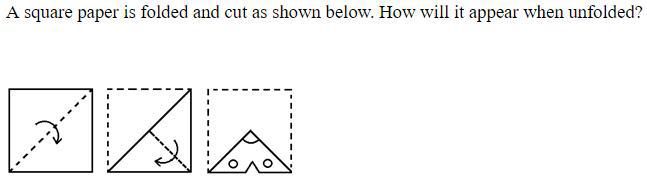
- (a)

- (b)

- (c)

- (d)

Show answer
Answer: (c)
- (a)
2.
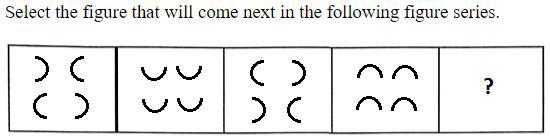
- (a)
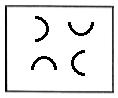
- (b)
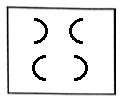
- (c)
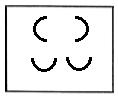
- (d)
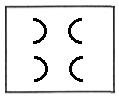
Show answer
Answer: (b)
- (a)
3.
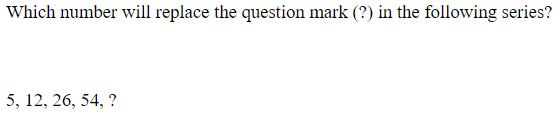
- (a)

- (b)

- (c)

- (d)

Show answer
Answer: (c)
- (a)
4.

- (a) (5, 17, 11)
- (b) (4, 16, 12)
- (c) (7, 13, 14)
- (d) (9, 12, 15)
Show answer
Answer: (b)
8.

- (a)

- (b)

- (c)

- (d)

Show answer
Answer: (c)
- (a)
10.
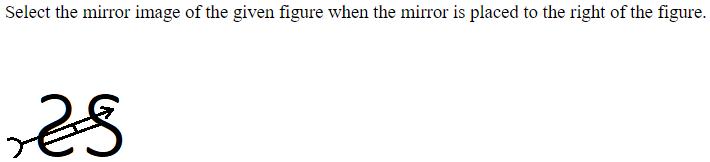
- (a)
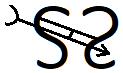
- (b)
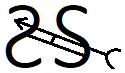
- (c)
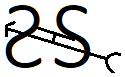
- (d)
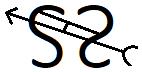
Show answer
Answer: (b)
- (a)
11.

- (a)

- (b)

- (c)

- (d)

Show answer
Answer: (d)
- (a)
13.

- (a)

- (b)

- (c)

- (d)

Show answer
Answer: (d)
- (a)
14.

- (a)

- (b)

- (c)

- (d)

Show answer
Answer: (b)
- (a)
16.

- (a)

- (b)

- (c)

- (d)

Show answer
Answer: (a)
- (a)
17.

- (a) Condemn
- (b) Disparage
- (c) Denigrate
- (d) Awkward
Show answer
Answer: (d)
18.

- (a)

- (b)
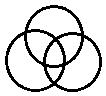
- (c)
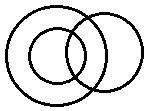
- (d)
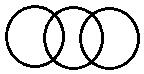
Show answer
Answer: (a)
- (a)
19.
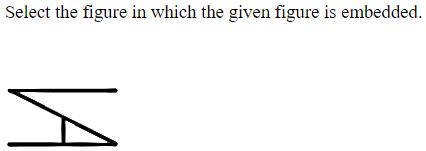
- (a)
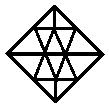
- (b)
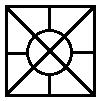
- (c)
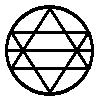
- (d)
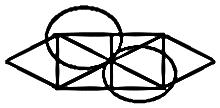
Show answer
Answer: (d)
- (a)
20.

- (a)

- (b)

- (c)

- (d)

Show answer
Answer: (c)
- (a)
22.

- (a)

- (b)

- (c)

- (d)

Show answer
Answer: (b)
- (a)
25.

- (a)

- (b)

- (c)

- (d)

Show answer
Answer: (b)
- (a)
General Awareness
1. Pierre Curie shared the 1903 Nobel Prize in Physics with his wife, Marie Curie, and Henri Becquerel for their discoveries related to _______.
- (a) mirror images
- (b) thermodynamics
- (c) radioactivity
- (d) X-rays
Show answer
Answer: (c)
2. There were three bronze medallists from India at the 38th GeeBee Boxing Tournament which was held at Helsinki, Finland. Who amongst the following is NOT one of them?
- (a) Naveen Kumar
- (b) Sachin Siwach
- (c) Dinesh Dagar
- (d) Sumit Sangwan
Show answer
Answer: (c)
3. Which Indian monument was built by Maharaja Sawai Pratap Singh in the year 1799?
- (a) Mattancherry Palace
- (b) Mysore Palace
- (c) Leh Palace
- (d) Hawa Mahal
Show answer
Answer: (d)
4. Who had built Taj Mahal, for his wife Mumtaz Mahal along the banks of the Yamuna River in Agra?
- (a) Akbar
- (b) Jahangir
- (c) Aurangzeb
- (d) Shah Jahan
Show answer
Answer: (d)
5. In its Global Economic Outlook report, Fitch Ratings cut India’s economic growth forecast for the next financial year 2019-20 starting from April 1 to ___% from its previous estimate of 7%.
- (a) 6.1
- (b) 5.4
- (c) 6.8
- (d) 6.2
Show answer
Answer: (c)
6. Who won the Nobel Prize in 1906 for his neuron doctrine?
- (a) Luis Alvarez
- (b) Henry Moseley
- (c) Santiago Ramón y Cajal
- (d) Pierre Curie
Show answer
Answer: (c)
7. Which of the following was the most important characteristic of India's trade throughout the colonial period?
- (a) Import deficiency
- (b) Import surplus
- (c) Export surplus
- (d) Export deficiency
Show answer
Answer: (c)
8. Indian naval officer Commander _____ became the only Asian to participate in the prestigious Golden Globe Race (GGR), which commenced from Les Sables d’Olonne harbour in France on 1 July 2018.
- (a) Mahendra Nath Mulla
- (b) Pradeep Singh
- (c) Abhilash Tomy
- (d) Rajesh Dhankhar
Show answer
Answer: (c)
9. The Red Fort and the Jama Masjid in Delhi stand out as towering achievements of architecture during the reign of________.
- (a) Shah Jahan
- (b) Akbar
- (c) Aurangzeb
- (d) Jehangir
Show answer
Answer: (a)
10. The Victoria Memorial, conceived by Lord Curzon, represents the architectural climax of _________ city.
- (a) Jaipur
- (b) Kolkata
- (c) Delhi
- (d) Mumbai
Show answer
Answer: (b)
11. Which river passes through maximum number of countries?
- (a) Volga
- (b) Rhine
- (c) Amazon
- (d) Danube
Show answer
Answer: (d)
12. Electron was discovered in the year 1897 by _________.
- (a) Isaac Newton
- (b) J J Thomson
- (c) T. A. Edison
- (d) Nicola Tesla
Show answer
Answer: (b)
13. ___________ won a silver medal at the 38th GeeBee Boxing Tournament which was held at Helsinki, Finland.
- (a) Mohammed Hussamuddin
- (b) Sumit Sangwan
- (c) Naveen Kumar
- (d) Sachin Siwach
Show answer
Answer: (a)
14. A ____________ occurs when a government's total expenditures exceed the revenue that it generates, excluding money from borrowings.
- (a) Current Account Deficit
- (b) Revenue Deficit
- (c) Budgetary Deficit
- (d) Fiscal Deficit
Show answer
Answer: (d)
15. Name the longest river in Asia.
- (a) Amazon
- (b) Yenisei
- (c) Nile
- (d) Yangtze
Show answer
Answer: (d)
16. William Crookes was a physical chemist who discovered and named the element ________.
- (a) germanium
- (b) beryllium
- (c) plutonium
- (d) thallium
Show answer
Answer: (d)
17. On March 23rd, India observes _______ day/divas as a tribute to Bhagat Singh, Sukhdev and Rajguru on their death anniversary.
- (a) Shaheed Divas
- (b) Protest Day
- (c) Vidroh Divas
- (d) Tribute Day
Show answer
Answer: (a)
18. Humayun's heir,_____, was born in exile and was only 13 years old when his father died.
- (a) Babur
- (b) Shah Jahan
- (c) Akbar
- (d) Jahangir
Show answer
Answer: (c)
19. World _________Day 2019 was observed on 23 March with the theme 'The Sun, the Earth and the weather'.
- (a) Astrological
- (b) Geological
- (c) Geographical
- (d) Meteorological
Show answer
Answer: (d)
20. Justice_____ , who retired from the Supreme Court of India on 6 July 2018, has been appointed as the new chairperson of the National Green Tribunal.
- (a) Justice Jawad Rahim
- (b) Adarsh Kumar Goel
- (c) Raghuvendra Singh
- (d) Sonam Phintso Wangdi
Show answer
Answer: (b)
21. Who was the prime minister of India during ''the Emergency'' between the year 1975 to 1977?
- (a) Indira Gandhi
- (b) Charan Singh
- (c) Moraj Desai
- (d) Rajiv Gandhi
Show answer
Answer: (a)
23. Which of the following is the longest rivers in India?
- (a) Brahmaputra
- (b) Godavari
- (c) Ganga
- (d) Kaveri
Show answer
Answer: (a)
24. Akbar was succeeded by his son, Salim, who took the title of_______, meaning 'Conqueror of the World'.
- (a) Jahangir
- (b) Badshah
- (c) Jahapana
- (d) Shah Jahan
Show answer
Answer: (a)
25. _________ received the very first Nobel Prize in Physics in 1901 for his discovery of X-rays.
- (a) William Thomson
- (b) Wilhelm Röntgen
- (c) Louis Pasteur
- (d) William Crookes
Show answer
Answer: (b)
Quantitative Aptitude
1.

- (a)

- (b)

- (c)

- (d)

Show answer
Answer: (b)
- (a)
3.

- (a)

- (b)

- (c)

- (d)

Show answer
Answer: (a)
- (a)
4.

- (a)

- (b)

- (c)

- (d)

Show answer
Answer: (a)
- (a)
5.

- (a)
- (b)

- (c)

- (d)

Show answer
Answer: (d)
- (a)
8.

- (a)
- (b)

- (c)

- (d)
Show answer
Answer: (b)
- (a)
9.

- (a)
- (b)

- (c)

- (d)

Show answer
Answer: (a)
- (a)
11.
- (a)

- (b)

- (c)

- (d)

Show answer
Answer: (c)
- (a)
12.

- (a)

- (b)
- (c)

- (d)

Show answer
Answer: (c)
- (a)
13.

- (a)

- (b)

- (c)

- (d)

Show answer
Answer: (d)
- (a)
14.

- (a)
- (b)

- (c)

- (d)

Show answer
Answer: (c)
- (a)
15.

- (a)

- (b)

- (c)

- (d)

Show answer
Answer: (b)
- (a)
18.
- (a)

- (b)

- (c)

- (d)

Show answer
Answer: (a)
- (a)
22.
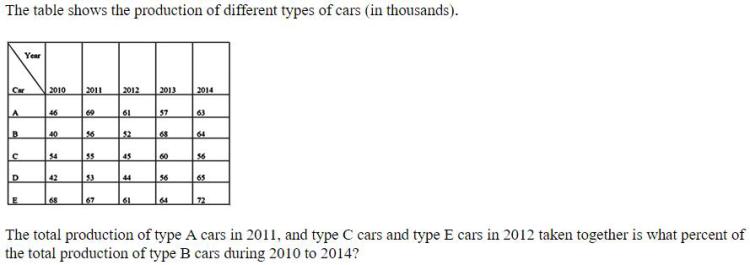
- (a)

- (b)

- (c)

- (d)

Show answer
Answer: (c)
- (a)
23.

- (a)

- (b)

- (c)
- (d)

Show answer
Answer: (a)
- (a)
24.

- (a)

- (b)

- (c)

- (d)

Show answer
Answer: (a)
- (a)
25.

- (a)

- (b)

- (c)

- (d)
Show answer
Answer: (c)
- (a)
English Comprehension
1. Select the wrongly spelt word.
- (a) brittle
- (b) brisk
- (c) bristel
- (d) bridle
Show answer
Answer: (c)
2. Select the word which means the same as the group of words given. a large, deep pot used both in the oven and as a serving vessel.
- (a) cauldron
- (b) sauce-pan
- (c) casserole
- (d) skillet
Show answer
Answer: (c)
3. Select the most appropriate word to fill in the blank. The company management is of the opinion that not wearing a suit and tie at the workplace could create a bad ______ on clients.
- (a) outlook
- (b) notion
- (c) response
- (d) impression
Show answer
Answer: (d)
4. Select the wrongly spelt word.
- (a) noticable
- (b) negligible
- (c) nuisance
- (d) neighbouring
Show answer
Answer: (a)
5. Select the word which means the same as the group of words given. Flowers or leaves woven together in a circle for placing on a coffin or a grave
- (a) garland
- (b) bunch
- (c) wreath
- (d) bouquet
Show answer
Answer: (c)
6. In the sentence identify the segment which contains the grammatical error. The Doon Valley with all its lights look beautiful at night from the top of the mountain.
- (a) at night
- (b) look beautiful
- (c) from the top
- (d) with all its lights
Show answer
Answer: (b)
7. Select the most appropriate word to fill in the blank. India is the second largest ______ of cotton in the world.
- (a) grower
- (b) manufacturer
- (c) producer
- (d) creator
Show answer
Answer: (c)
8. Select the most appropriate meaning of the given idiom. Lend an ear
- (a) to force someone to listen
- (b) to pay attention to
- (c) to not tell someone something
- (d) to not make trouble
Show answer
Answer: (b)
9. Select the correct active form of the given sentence. The chairs were being arranged in the examination hall by the staff.
- (a) The staff has been arranging the chairs in the examination hall.
- (b) The chairs were arranging the staff in the examination hall.
- (c) The staff has arranged the chairs in the examination hall.
- (d) The staff was arranging the chairs in the examination hall.
Show answer
Answer: (d)
10. Select the correct passive form of the given sentence. Please take the guest to his room on the 6th floor.
- (a) Let the guest be taking to his room on the 6th floor.
- (b) You must take the guest to his room on the 6th floor.
- (c) You are requested to take the guest to his room on the 6th floor.
- (d) The guest should be took to his room on the 6th floor.
Show answer
Answer: (c)
11. Select the most appropriate option to substitute the underlined segment in the given sentence. If no substitution is required, select No improvement. His school was 7 km away from his house. I wondered how he covered so long distance daily on foot.
- (a) so long the distance
- (b) such long distance
- (c) No improvement
- (d) such a long distance
Show answer
Answer: (d)
12. Select the synonym of the given word. EXEMPT
- (a) reduce
- (b) hinder
- (c) prevent
- (d) exclude
Show answer
Answer: (d)
13. Given below are four jumbled sentences. Select the option that gives their correct order. A. Since then Boeing has received over 5,000 orders for the aircraft and has delivered 371 to date. B. The Max first started flying commercially in 2017. C. Boeing had huge hopes for its 737 Max aircraft and viewed it as a key part of its future. D. However, the company's market value has plummeted by nearly $26 billion since the crash in Ethiopia.
- (a) CBAD
- (b) DCBA
- (c) BCDA
- (d) ABCD
Show answer
Answer: (a)
14. Select the most appropriate option to substitute the underlined segment in the given sentence. If no substitution is required, select No improvement. We can't live without water, will we?
- (a) can we
- (b) No improvement
- (c) do we
- (d) won't we
Show answer
Answer: (a)
15. Given below are four jumbled sentences. Select the option that gives their correct order. A. It has been a leading producer of both industrial and agricultural goods. B. The United States of America holds a dominant position in the world because of its high economic development. C. Because of its enormous output, the United States has a major share in world trade. D. It is also a leader in the development and application of innovative technology.
- (a) ABCD
- (b) DABC
- (c) BACD
- (d) BCAD
Show answer
Answer: (c)
16. Select the most appropriate meaning of the given idiom. On tentherhooks
- (a) happy
- (b) angry
- (c) anxious
- (d) unhappy
Show answer
Answer: (c)
17. Select the antonym of the given word. SWERVE
- (a) droop
- (b) lurch
- (c) straighten
- (d) deviate
Show answer
Answer: (c)
18. Select the antonym of the given word. SOBER
- (a) agitated
- (b) serious
- (c) nervous
- (d) calm
Show answer
Answer: (a)
19. In the sentence identify the segment which contains the grammatical error. The Japanese artist Yoh Nagao was busy splashing the wall from colours.
- (a) was busy
- (b) splashing the wall
- (c) The Japanese artist
- (d) from colours
Show answer
Answer: (d)
20. Select the synonym of the given word. RAMPANT
- (a) limited
- (b) excessive
- (c) rare
- (d) gentle
Show answer
Answer: (b)
PassageFor questions 21–25
In the following passage some words have been deleted. Fill in the blanks with the help of the alternatives given. Select the most appropriate option for each blank.
During the reign of Aurangzeb, the last of the Mughals, there (1)______ revolts against the empire. (2)______ were the revolts of the Marathas, the Sikhs, the Jats and (3)______ others. After the death of Aurangzeb, the Mughal empire began to (4)______ fairly fast. The country soon (5)______ into smaller territories many of which became more or less independent.
21. Select the most appropriate option for blank No. 1.
- (a) have been
- (b) was
- (c) were
- (d) are
Show answer
Answer: (c)
22. Select the most appropriate option for blank No. 2.
- (a) This
- (b) These
- (c) It
- (d) That
Show answer
Answer: (b)
23. Select the most appropriate option for blank No. 3.
- (a) every
- (b) many
- (c) more
- (d) each
Show answer
Answer: (b)
24. Select the most appropriate option for blank No. 4.
- (a) disintegrate
- (b) disperse
- (c) disrupt
- (d) disturb
Show answer
Answer: (a)
25. Select the most appropriate option for blank No. 5.
- (a) broke up
- (b) broke out
- (c) broke off
- (d) broke in
Show answer
Answer: (a)
Show answers
Answer key
Answer key as marked in the Staff Selection Commission’s response sheet. “—” means the sheet did not show it clearly.
General Intelligence and Reasoning
- Q 1
- (c)
- Q 2
- (b)
- Q 3
- (c)
- Q 4
- (b)
- Q 8
- (c)
- Q 10
- (b)
- Q 11
- (d)
- Q 13
- (d)
- Q 14
- (b)
- Q 16
- (a)
- Q 17
- (d)
- Q 18
- (a)
- Q 19
- (d)
- Q 20
- (c)
- Q 22
- (b)
- Q 25
- (b)
General Awareness
- Q 1
- (c)
- Q 2
- (c)
- Q 3
- (d)
- Q 4
- (d)
- Q 5
- (c)
- Q 6
- (c)
- Q 7
- (c)
- Q 8
- (c)
- Q 9
- (a)
- Q 10
- (b)
- Q 11
- (d)
- Q 12
- (b)
- Q 13
- (a)
- Q 14
- (d)
- Q 15
- (d)
- Q 16
- (d)
- Q 17
- (a)
- Q 18
- (c)
- Q 19
- (d)
- Q 20
- (b)
- Q 21
- (a)
- Q 23
- (a)
- Q 24
- (a)
- Q 25
- (b)
Quantitative Aptitude
- Q 1
- (b)
- Q 3
- (a)
- Q 4
- (a)
- Q 5
- (d)
- Q 8
- (b)
- Q 9
- (a)
- Q 11
- (c)
- Q 12
- (c)
- Q 13
- (d)
- Q 14
- (c)
- Q 15
- (b)
- Q 18
- (a)
- Q 22
- (c)
- Q 23
- (a)
- Q 24
- (a)
- Q 25
- (c)
English Comprehension
- Q 1
- (c)
- Q 2
- (c)
- Q 3
- (d)
- Q 4
- (a)
- Q 5
- (c)
- Q 6
- (b)
- Q 7
- (c)
- Q 8
- (b)
- Q 9
- (d)
- Q 10
- (c)
- Q 11
- (d)
- Q 12
- (d)
- Q 13
- (a)
- Q 14
- (a)
- Q 15
- (c)
- Q 16
- (c)
- Q 17
- (c)
- Q 18
- (a)
- Q 19
- (d)
- Q 20
- (b)
- Q 21
- (c)
- Q 22
- (b)
- Q 23
- (b)
- Q 24
- (a)
- Q 25
- (a)