ExamBharo · SSC CGL 2018 Tier I — 13 June 2019, Shift 1 · exambharo.com/previous-year-papers/ssc-cgl-2018-tier-1-13-jun-shift-1/
Question paper · SSC CGL
SSC CGL 2018 Tier I — 13 June 2019, Shift 1
13 June 2019 · 10:00 AM–11:00 AM94 of the paper’s 100 questions+2 for a correct answer, −0.5 for a wrong one
6 questions of the original paper are not included: those that need a figure or formatting we cannot show, that have no answer in the response sheet, or that we could not check against a second copy of the paper.
Questions from the Staff Selection Commission’s paper of 13 June 2019, 10:00 AM–11:00 AM. Each question’s answer is under it, hidden until you open it, and the full answer key is at the end. Take the paper as a timed practice test to be scored.
General Intelligence and Reasoning
1.
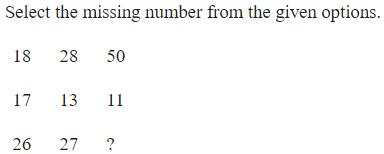
- (a)

- (b)

- (c)

- (d)

Show answer
Answer: (d)
- (a)
2.

- (a)

- (b)

- (c)

- (d)

Show answer
Answer: (d)
- (a)
3.

- (a)

- (b)

- (c)

- (d)

Show answer
Answer: (b)
- (a)
4.

- (a)

- (b)

- (c)

- (d)

Show answer
Answer: (c)
- (a)
5.

- (a)

- (b)

- (c)

- (d)

Show answer
Answer: (b)
- (a)
6.

- (a)

- (b)

- (c)

- (d)

Show answer
Answer: (b)
- (a)
7.

- (a)

- (b)

- (c)

- (d)

Show answer
Answer: (b)
- (a)
8.

- (a)

- (b)

- (c)

- (d)

Show answer
Answer: (d)
- (a)
9.

- (a)

- (b)

- (c)

- (d)

Show answer
Answer: (d)
- (a)
10.
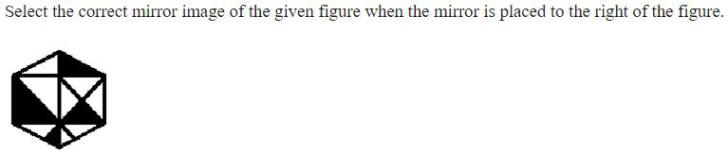
- (a)

- (b)

- (c)

- (d)

Show answer
Answer: (d)
- (a)
11.
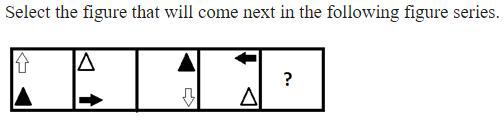
- (a)

- (b)

- (c)

- (d)

Show answer
Answer: (d)
- (a)
12.
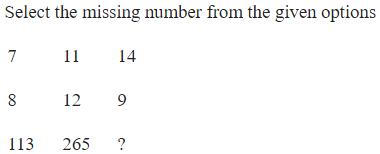
- (a)

- (b)

- (c)

- (d)

Show answer
Answer: (a)
- (a)
13.
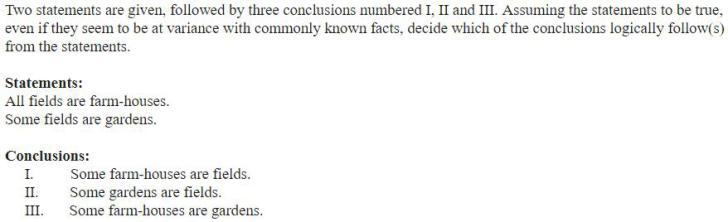
- (a)

- (b)

- (c)

- (d)

Show answer
Answer: (a)
- (a)
14.
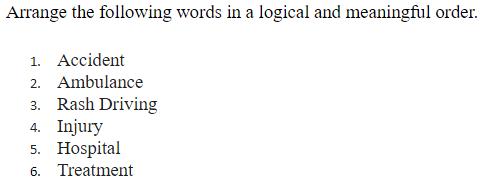
- (a)
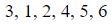
- (b)
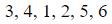
- (c)
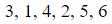
- (d)
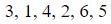
Show answer
Answer: (c)
- (a)
15.

- (a) Time : Clock
- (b) Temperature : Thermometer
- (c) Pressure : Barometer
- (d) Length : Metre
Show answer
Answer: (d)
16.

- (a)

- (b)

- (c)

- (d)

Show answer
Answer: (d)
- (a)
17.
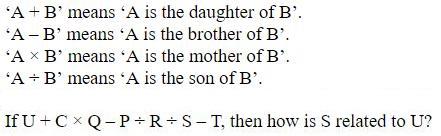
- (a)

- (b)

- (c)

- (d)

Show answer
Answer: (b)
- (a)
18.

- (a)

- (b)

- (c)

- (d)

Show answer
Answer: (c)
- (a)
19.

- (a)

- (b)

- (c)

- (d)

Show answer
Answer: (a)
- (a)
20.
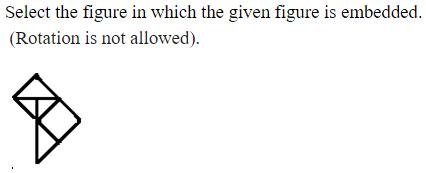
- (a)
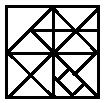
- (b)
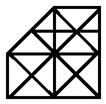
- (c)

- (d)
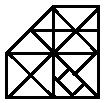
Show answer
Answer: (b)
- (a)
21.

- (a)

- (b)

- (c)

- (d)

Show answer
Answer: (c)
- (a)
22.
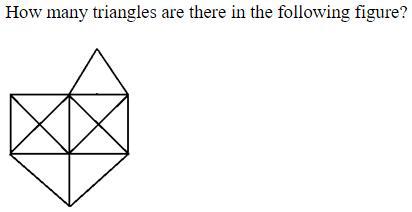
- (a)

- (b)

- (c)

- (d)

Show answer
Answer: (d)
- (a)
23.

- (a)
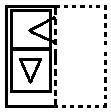
- (b)
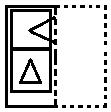
- (c)

- (d)

Show answer
Answer: (b)
- (a)
24.

- (a)

- (b)

- (c)

- (d)

Show answer
Answer: (c)
- (a)
25.
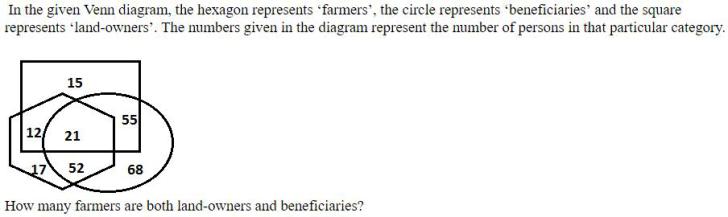
- (a)

- (b)

- (c)

- (d)

Show answer
Answer: (a)
- (a)
General Awareness
1. Which player has the record of scoring the most runs in the history of ICC World Cup?
- (a) Sachin Tendulkar
- (b) Brian Lara
- (c) Imran Khan
- (d) Don Bradman
Show answer
Answer: (a)
2. When was the 'Battle of Tukaroi' fought?
- (a) 1532
- (b) 1565
- (c) 1575
- (d) 1546
Show answer
Answer: (c)
3. What is the unit of measure of a magnetic field?
- (a) Cobalt
- (b) Ohm
- (c) Tesla
- (d) Ampere
Show answer
Answer: (c)
4. What is the economic impact of increase in productivity of firms?
- (a) Decrease in Gross Domestic Product
- (b) No change in Gross Domestic Product
- (c) The impact may vary among nations and their economic conditions
- (d) Increase in Gross Domestic Product
Show answer
Answer: (d)
6. What is the other name for 'Orion' Constellation?
- (a) Piper
- (b) Fighter
- (c) Predator
- (d) Hunter
Show answer
Answer: (d)
7. The process of change from liquid to gas is called ______.
- (a) Precipitation
- (b) Vaporisation
- (c) Decantation
- (d) Condensation
Show answer
Answer: (b)
8. The Special Olympics 2019 were held in _____.
- (a) Barcelona
- (b) Qatar
- (c) Abu Dhabi
- (d) Istanbul
Show answer
Answer: (c)
9. In which of the following states is the 'Lusei' dialect spoken?
- (a) Mizoram
- (b) Goa
- (c) Manipur
- (d) Kerala
Show answer
Answer: (a)
10. In Parliament, who takes the final decision on whether a Bill is a Money Bill or not?
- (a) Vice President
- (b) Speaker
- (c) Finance Minister
- (d) Prime Minister
Show answer
Answer: (b)
11. Rehuke khim' or 'cowrie shawl' are traditional textiles of ______.
- (a) Assam
- (b) Jharkhand
- (c) Odisha
- (d) Nagaland
Show answer
Answer: (d)
12. In the context of Indian parliament what is 'Zero Hour'?
- (a) Time immediately after Question Hour
- (b) Time in the last half of the parliamentary proceeding
- (c) Time before Question Hour
- (d) Time in the first half of the parliamentary proceeding
Show answer
Answer: (a)
13. Which of the following is called the 'Grand Canyon of India'?
- (a) Gangani Grand Canyon
- (b) Laitlum Canyon
- (c) Chambal River Canyon
- (d) Great Canyon of Gandikota
Show answer
Answer: (d)
14. When was the 'Battle of Kanauj' fought?
- (a) 1540
- (b) 1524
- (c) 1556
- (d) 1536
Show answer
Answer: (a)
15. Which documentary based on Indian society won an Academy Award in 2019?
- (a) End Game
- (b) Lifeboat
- (c) Period. End of Sentence
- (d) Black Sheep
Show answer
Answer: (c)
16. What would happen to the demand curve when there is an increase in the price of substitute products?
- (a) Outward shift
- (b) Remains constant
- (c) Initially inward and then after a period outward shift
- (d) Inward shift
Show answer
Answer: (a)
17. The easternmost point of India is _____.
- (a) Kibithu
- (b) Wokha
- (c) Mokokchung
- (d) Doulchara
Show answer
Answer: (a)
18. Identify the element that is most prolific in the crust of the earth.
- (a) Iron
- (b) Silicon
- (c) Oxygen
- (d) Hydrogen
Show answer
Answer: (c)
19. The Sahyadri Mountains run from _____ to Kanyakumari, the southernmost part of India.
- (a) Uttar Pradesh
- (b) Madhya Pradesh
- (c) Gujarat
- (d) Rajasthan
Show answer
Answer: (c)
20. The Aligarh Movement was started by ______.
- (a) Dr Maghfoor Ahmad Ajazi
- (b) Muhammad Ali Jinnah
- (c) Maulana Manzoor Ahsan
- (d) Syed Ahmed Khan
Show answer
Answer: (d)
21. The phrase 'Bend your back' is used in which sport?
- (a) Hockey
- (b) Football
- (c) Volleyball
- (d) Cricket
Show answer
Answer: (d)
22. Which of the following Indians was one of the founders of Dartington Hall School in Japan?
- (a) Subhash Chandra Bose
- (b) Dadabhai Naoroji
- (c) Swami Vivekananda
- (d) Rabindranath Tagore
Show answer
Answer: (d)
23. Where is the National War Memorial of India located?
- (a) Andaman
- (b) Rajkot
- (c) New Delhi
- (d) Kochi
Show answer
Answer: (c)
24. Surendranath Banerjee and Ananda Mohan Bose founded ____________ in Bengal in 1876.
- (a) Bengal Association
- (b) Indian Association
- (c) Tathagat Association
- (d) Oriental Association
Show answer
Answer: (b)
25. Which one of the following is the largest recognised constellation?
- (a) Hydra
- (b) Dorado
- (c) Antila
- (d) Crux
Show answer
Answer: (a)
Quantitative Aptitude
1.

- (a)

- (b)

- (c)

- (d)

Show answer
Answer: (b)
- (a)
2.

- (a)

- (b)

- (c)

- (d)

Show answer
Answer: (b)
- (a)
3.

- (a)

- (b)

- (c)

- (d)

Show answer
Answer: (d)
- (a)
4.

- (a)

- (b)

- (c)

- (d)

Show answer
Answer: (a)
- (a)
5.

- (a)

- (b)

- (c)

- (d)

Show answer
Answer: (d)
- (a)
6.

- (a)

- (b)
- (c)

- (d)

Show answer
Answer: (d)
- (a)
7.

- (a)

- (b)

- (c)

- (d)

Show answer
Answer: (b)
- (a)
8.

- (a)

- (b)

- (c)

- (d)

Show answer
Answer: (d)
- (a)
9.

- (a)

- (b)

- (c)

- (d)

Show answer
Answer: (b)
- (a)
10.

- (a)

- (b)

- (c)

- (d)

Show answer
Answer: (b)
- (a)
12.

- (a)
- (b)
- (c)

- (d)

Show answer
Answer: (b)
- (a)
13.

- (a)

- (b)

- (c)

- (d)

Show answer
Answer: (c)
- (a)
14.

- (a)

- (b)

- (c)

- (d)

Show answer
Answer: (c)
- (a)
15.

- (a)

- (b)

- (c)

- (d)

Show answer
Answer: (c)
- (a)
16.

- (a)

- (b)

- (c)

- (d)

Show answer
Answer: (c)
- (a)
17.

- (a)

- (b)

- (c)

- (d)

Show answer
Answer: (c)
- (a)
19.

- (a)

- (b)

- (c)

- (d)

Show answer
Answer: (c)
- (a)
20.

- (a)

- (b)

- (c)

- (d)

Show answer
Answer: (c)
- (a)
21.

- (a)
- (b)

- (c)

- (d)

Show answer
Answer: (c)
- (a)
23.

- (a)
- (b)
- (c)
- (d)
Show answer
Answer: (c)
- (a)
24.

- (a)

- (b)
- (c)
- (d)
Show answer
Answer: (c)
- (a)
English Comprehension
1. Select the correct active form of the given sentence. He was given a book for his birthday.
- (a) She has gave him a book for his birthday.
- (b) She give a book to him for his birthday.
- (c) She gave him a book for his birthday.
- (d) She will be giving him a book for his birthday.
Show answer
Answer: (c)
2. In the sentence identify the segment which contains the grammatical error. The cost of fruits and vegetables have risen abnormally this month.
- (a) abnormally
- (b) The cost of
- (c) have risen
- (d) this month.
Show answer
Answer: (c)
3. Select the most appropriate option to substitute the underlined segment in the given sentence. If no substitution is required, select No improvement. Meera has a friend who parents live in Dubai.
- (a) has a friend which parents live
- (b) have a friend whom parents live
- (c) has a friend whose parents live
- (d) No improvement.
Show answer
Answer: (c)
4. Select the word which means the same as the group of words given. Too unimportant to consider
- (a) trivial
- (b) noticeable
- (c) nothing
- (d) dimunitive
Show answer
Answer: (a)
5. Given below are four jumbled sentences. Select the option that gives their correct order. A. Its value is linked to what it is being used for. B. Such questions often baffle you. C. How emotional should one get about money and its value? D. Money on its own has no value, until you have some use for it.
- (a) CABD
- (b) DBAC
- (c) CBDA
- (d) ACDB
Show answer
Answer: (c)
7. Select the most appropriate option to fill in the blank. It is hard to conceive of a more______ route than the one that this determined traveller chose to follow.
- (a) stimulating
- (b) dashing
- (c) daunting
- (d) provoking
Show answer
Answer: (c)
8. Select the correct passive form of the given sentence. The artist played the violin.
- (a) The violin had been played by the artist.
- (b) The violin will be played by the artist.
- (c) The violin is being played by the artist.
- (d) The violin was played by the artist.
Show answer
Answer: (d)
9. Select the word which means the same as the group of words given. That which can be drawn into a thin wire
- (a) ductile
- (b) smooth
- (c) flexible
- (d) brittle
Show answer
Answer: (a)
10. Given below are four jumbled sentences. Select the option that gives their correct order. A. Only natural dyes are used in Kalamkari and it involves several steps. B. There are two distinctive styles of Kalamkari in India. C. They are the Sri Kalahasti style and the Machlipatnam style. D. Kalamkari is a type of hand-painted or block-printed cotton textile, produced in the Indian States of Andhra Pradesh and Telangana.
- (a) CBDA
- (b) DABC
- (c) ACBD
- (d) DCBA
Show answer
Answer: (b)
11. Select the most appropriate synonym of the given word. OBSTACLE
- (a) benefit
- (b) clearance
- (c) accessory
- (d) barrier
Show answer
Answer: (d)
12. Select the correctly spelt word.
- (a) fourtyeth
- (b) fortieth
- (c) fortyth
- (d) fourtieth
Show answer
Answer: (b)
13. Select the correctly spelt word.
- (a) taelant
- (b) centiment
- (c) serenity
- (d) cleaver
Show answer
Answer: (c)
14. In the sentence identify the segment which contains the grammatical error. Cows are amongst the gentlest of animals; none shows more passionate tenderness towards their young.
- (a) none shows more
- (b) towards their young
- (c) the gentlest of animals
- (d) Cows are amongst
Show answer
Answer: (a)
15. Select the most appropriate option to fill in the blank. Charlie Chaplin's rise to fame paralleled the ______ growth of Hollywood movies in the first decades of the century.
- (a) sluggish
- (b) explosive
- (c) progressing
- (d) delayed
Show answer
Answer: (b)
16. Select the most appropriate synonym of the given word . ENDEAVOUR
- (a) success
- (b) result
- (c) achievement
- (d) attempt
Show answer
Answer: (d)
17. Select the most appropriate meaning of the underlined idiom in the given sentence. The idea of making a children's park has been nipped in the bud by the local council.
- (a) encouraged strongly
- (b) changed completely
- (c) dropped at an early stage
- (d) included somewhere else
Show answer
Answer: (c)
18. Select the most appropriate meaning of the underlined idiom in the given sentence. We now have an ex-Minister in the running from our constituency for the post of Member of Parliament.
- (a) contesting the seat
- (b) teaching yoga
- (c) giving speeches
- (d) jogging everyday
Show answer
Answer: (a)
19. Select the most appropriate antonym of the given word. WEAKNESS
- (a) illness
- (b) strength
- (c) bravery
- (d) disability
Show answer
Answer: (b)
20. Select the most appropriate antonym of the given word. TYRANT
- (a) patron
- (b) benefactor
- (c) champion
- (d) rival
Show answer
Answer: (b)
PassageFor questions 21–25
In the following passage some words have been deleted. Fill in the blanks with the help of the alternatives given. Select the most appropriate option for each blank.
M. Ananda Kumar, scientist, Nature Conservation Foundation says that elephants are "engineers of the eco-system. He explains : they are seed (1)_____ . Forests without (2)_____ have been observed to not have young (3)_____ at all. This is because (4)_____ species disperse seeds only through elephants." The animals are phenomenal at (5)_____ themselves to new ecological conditions and negotiating a problem.
21. Select the most appropriate option to fill in blank No.(1)
- (a) collectors
- (b) makers
- (c) eaters
- (d) dispersers
Show answer
Answer: (d)
22. Select the most appropriate option to fill in blank No.(2)
- (a) engineers
- (b) elephants
- (c) conservation
- (d) seeds
Show answer
Answer: (b)
23. Select the most appropriate option to fill in blank No.(3)
- (a) saplings
- (b) species
- (c) seeds
- (d) elephants
Show answer
Answer: (a)
24. Select the most appropriate option to fill in blank No.(4)
- (a) all
- (b) certain
- (c) no
- (d) every
Show answer
Answer: (b)
25. Select the most appropriate option to fill in blank No.(5)
- (a) explaining
- (b) adapting
- (c) expanding
- (d) structuring
Show answer
Answer: (b)
Show answers
Answer key
Answer key as marked in the Staff Selection Commission’s response sheet. “—” means the sheet did not show it clearly.
General Intelligence and Reasoning
- Q 1
- (d)
- Q 2
- (d)
- Q 3
- (b)
- Q 4
- (c)
- Q 5
- (b)
- Q 6
- (b)
- Q 7
- (b)
- Q 8
- (d)
- Q 9
- (d)
- Q 10
- (d)
- Q 11
- (d)
- Q 12
- (a)
- Q 13
- (a)
- Q 14
- (c)
- Q 15
- (d)
- Q 16
- (d)
- Q 17
- (b)
- Q 18
- (c)
- Q 19
- (a)
- Q 20
- (b)
- Q 21
- (c)
- Q 22
- (d)
- Q 23
- (b)
- Q 24
- (c)
- Q 25
- (a)
General Awareness
- Q 1
- (a)
- Q 2
- (c)
- Q 3
- (c)
- Q 4
- (d)
- Q 6
- (d)
- Q 7
- (b)
- Q 8
- (c)
- Q 9
- (a)
- Q 10
- (b)
- Q 11
- (d)
- Q 12
- (a)
- Q 13
- (d)
- Q 14
- (a)
- Q 15
- (c)
- Q 16
- (a)
- Q 17
- (a)
- Q 18
- (c)
- Q 19
- (c)
- Q 20
- (d)
- Q 21
- (d)
- Q 22
- (d)
- Q 23
- (c)
- Q 24
- (b)
- Q 25
- (a)
Quantitative Aptitude
- Q 1
- (b)
- Q 2
- (b)
- Q 3
- (d)
- Q 4
- (a)
- Q 5
- (d)
- Q 6
- (d)
- Q 7
- (b)
- Q 8
- (d)
- Q 9
- (b)
- Q 10
- (b)
- Q 12
- (b)
- Q 13
- (c)
- Q 14
- (c)
- Q 15
- (c)
- Q 16
- (c)
- Q 17
- (c)
- Q 19
- (c)
- Q 20
- (c)
- Q 21
- (c)
- Q 23
- (c)
- Q 24
- (c)
English Comprehension
- Q 1
- (c)
- Q 2
- (c)
- Q 3
- (c)
- Q 4
- (a)
- Q 5
- (c)
- Q 7
- (c)
- Q 8
- (d)
- Q 9
- (a)
- Q 10
- (b)
- Q 11
- (d)
- Q 12
- (b)
- Q 13
- (c)
- Q 14
- (a)
- Q 15
- (b)
- Q 16
- (d)
- Q 17
- (c)
- Q 18
- (a)
- Q 19
- (b)
- Q 20
- (b)
- Q 21
- (d)
- Q 22
- (b)
- Q 23
- (a)
- Q 24
- (b)
- Q 25
- (b)