ExamBharo · SSC MTS 2023 — 12 September 2023, Shift 3 · exambharo.com/ssc-mts/previous-year-papers/ssc-mts-2023-12-sep-shift-3/
Question paper · SSC MTS & Havaldar
SSC MTS 2023 — 12 September 2023, Shift 3
12 September 2023 · 4:00 PM–6:00 PM83 of the paper’s 90 questions1 per correct answer
Questions from the Staff Selection Commission’s paper of 12 September 2023, 4:00 PM–6:00 PM.
Preparing for SSC MTS & Havaldar? Get more, free
Daily previous-year questions as quizzes, and every SSC MTS & Havaldar notice the day it is out.
Numerical and Mathematical Ability
1.

- (a)

- (b)

- (c)
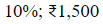
- (d)
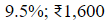
Show answer
Answer: (c)
- (a)
2.

- (a)

- (b)

- (c)

- (d)

Show answer
Answer: (d)
- (a)
3.

- (a)

- (b)

- (c)

- (d)

Show answer
Answer: (a)
- (a)
4.

- (a)

- (b)

- (c)

- (d)

Show answer
Answer: (a)
- (a)
6.

- (a)
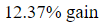
- (b)
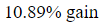
- (c)

- (d)

Show answer
Answer: (c)
- (a)
7.

- (a)

- (b)

- (c)

- (d)

Show answer
Answer: (c)
- (a)
8.

- (a)

- (b)

- (c)

- (d)

Show answer
Answer: (d)
- (a)
9.

- (a)

- (b)

- (c)

- (d)

Show answer
Answer: (b)
- (a)
10.

- (a)

- (b)

- (c)

- (d)

Show answer
Answer: (c)
- (a)
11.

- (a)

- (b)

- (c)

- (d)

Show answer
Answer: (d)
- (a)
12.

- (a)

- (b)

- (c)

- (d)

Show answer
Answer: (d)
- (a)
13. Study the given table and answer the question that follows. The tables shows the number of pages printed by four printers in three days.
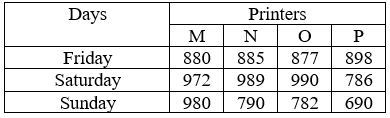 If the total number of pages printed by all the given printers together on Monday was 15% more than the total number of pages printed by all the given printers together on Friday, then what was the total number of pages printed by all the given printers together on Monday?
- (a) 4071
- (b) 4026
- (c) 4580
- (d) 4128
Show answer
Answer: (a)
14.

- (a)

- (b)

- (c)

- (d)

Show answer
Answer: (c)
- (a)
15.

- (a)

- (b)

- (c)

- (d)

Show answer
Answer: (b)
- (a)
16.

- (a)

- (b)

- (c)

- (d)

Show answer
Answer: (b)
- (a)
17.
- (a)

- (b)

- (c)

- (d)

Show answer
Answer: (d)
- (a)
18.

- (a)

- (b)

- (c)

- (d)

Show answer
Answer: (a)
- (a)
19.

- (a)

- (b)

- (c)

- (d)

Show answer
Answer: (d)
- (a)
20.

- (a)

- (b)
- (c)

- (d)

Show answer
Answer: (a)
- (a)
Reasoning Ability and Problem Solving
1.

- (a)
- (b)
- (c)
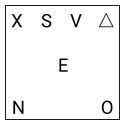
- (d)
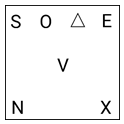
Show answer
Answer: (d)
- (a)
2.

- (a)

- (b)

- (c)

- (d)

Show answer
Answer: (a)
- (a)
3.
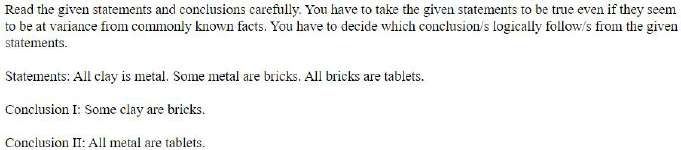
- (a)

- (b)

- (c)

- (d)

Show answer
Answer: (c)
- (a)
4.

- (a)

- (b)

- (c)

- (d)

Show answer
Answer: (c)
- (a)
5.

- (a)

- (b)

- (c)

- (d)
Show answer
Answer: (b)
- (a)
6.

- (a)

- (b)

- (c)

- (d)

Show answer
Answer: (d)
- (a)
8.
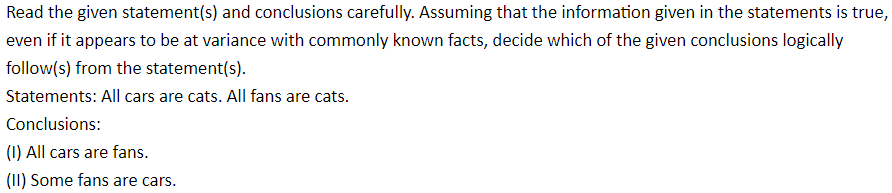
- (a)

- (b)

- (c)

- (d)

Show answer
Answer: (c)
- (a)
9.

- (a)

- (b)

- (c)

- (d)

Show answer
Answer: (a)
- (a)
10.

- (a)

- (b)

- (c)

- (d)

Show answer
Answer: (c)
- (a)
11.

- (a)

- (b)

- (c)

- (d)

Show answer
Answer: (d)
- (a)
13.

- (a)

- (b)

- (c)

- (d)

Show answer
Answer: (c)
- (a)
14.

- (a)

- (b)

- (c)

- (d)

Show answer
Answer: (d)
- (a)
16.

- (a)

- (b)
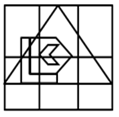
- (c)
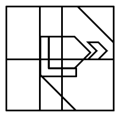
- (d)
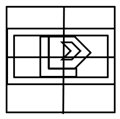
Show answer
Answer: (d)
- (a)
18.

- (a)

- (b)

- (c)

- (d)

Show answer
Answer: (a)
- (a)
19.

- (a)

- (b)

- (c)

- (d)

Show answer
Answer: (c)
- (a)
20.
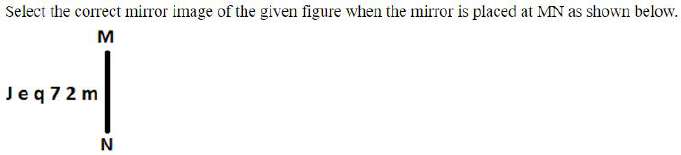
- (a)
- (b)
- (c)
- (d)
Show answer
Answer: (b)
- (a)
General Awareness
2. The Sakraat festival is celebrated with the ‘Budigali’ or ‘Kalasi’ dance in ___________, where women take part in this dance, carrying decorative pots on their heads.
- (a) Odisha
- (b) Nagaland
- (c) Madhya Pradesh
- (d) Manipur
Show answer
Answer: (a)
3. The National Social Assistance Programme (NSAP) is a welfare programme being administered by which Ministry of Government of India?
- (a) Ministry of Tribal Affairs
- (b) Ministry of Home Affairs
- (c) Ministry of Agriculture and Farmers Welfare
- (d) Ministry of Rural Development
Show answer
Answer: (d)
4. What is the main source of income for commercial banks?
- (a) Donations from customers
- (b) Profits from stock market investments
- (c) Government grants
- (d) Interest earned on loans and advances
Show answer
Answer: (d)
5. The Taj Mahal was built by:
- (a) Humayun
- (b) Jahangir
- (c) Akbar
- (d) Shah Jahan
Show answer
Answer: (d)
6. Who among the following made Ganesh Chaturthi popular as a public celebration in Maharashtra?
- (a) Lokmanya Bal Gangadhar Tilak
- (b) Khudiram Bose
- (c) Vinayak Damodar Savarkar
- (d) Lala Lajpat Rai
Show answer
Answer: (a)
7. Which country’s Constitution was the inspiration behind the Directive Principles of the Indian Constitution?
- (a) The Constitution of Australia
- (b) The Constitution of the United States
- (c) The Constitution of the United Kingdom
- (d) The Constitution of Ireland
Show answer
Answer: (d)
8. When one stone is thrown upwards, what type of energy conversion would occur?
- (a) Kinetic energy would change to mechanical energy
- (b) Potential energy would change to gravitational energy
- (c) Mechanical energy would change to kinetic energy
- (d) Kinetic energy would change to gravitational potential energy
Show answer
Answer: (d)
9. Lack of functional small intestine can cause a malabsorption disorder leading to diarrhoea, malnutrition, weight loss etc. This particular condition is known as:
- (a) Down syndrome
- (b) short bowel syndrome
- (c) hypoglycaemia
- (d) hyperglycaemia
Show answer
Answer: (b)
10. In December 2022, Government of India launched Grih Pravesh scheme. This scheme aims to provide benefits to the residents of ____ areas.
- (a) only urban
- (b) only rural
- (c) only tribal
- (d) both rural and urban
Show answer
Answer: (d)
11. Indian Industrialists reacted against colonial policies that restricted business activities and formed an organisation in 1927. What was it called?
- (a) Indian Industrial and Commercial Congress(IICC)
- (b) Organization of Industries of India (OII)
- (c) Federation of the Indian Chamber of Commerce and Industries (FICCI)
- (d) Confederation of Indian Industries (CII)
Show answer
Answer: (c)
12. Who founded the All-India Forward Bloc Party?
- (a) Chandra Shekar Azad
- (b) Bhagat Singh
- (c) Rasbehari Bose
- (d) Subhas Chandra Bose
Show answer
Answer: (d)
13. The Constitution allows __________ maximum members in Lok Sabha as of June 2023.
- (a) 546
- (b) 550
- (c) 545
- (d) 543
Show answer
Answer: (b)
14. Which of the following novels is based on the partition of India and was written by Khushwant Singh?
- (a) The Great Indian Novel
- (b) Untouchables
- (c) Narcopolis
- (d) Train to Pakistan
Show answer
Answer: (d)
15. Which institution mainly provides financial assistance and support to microfinance institutions in India?
- (a) Department of Economic Affairs (DEA)
- (b) Ministry of Corporate Affairs
- (c) Indian Banks' Association (IBA)
- (d) Small Industries Development Bank of India (SIDBI)
Show answer
Answer: (d)
16. Mango showers are associated with which two states?
- (a) Kerala and Karnataka
- (b) Uttar Pradesh and Bihar
- (c) Kerala and Andhra Pradesh
- (d) Andhra Pradesh and Karnataka
Show answer
Answer: (a)
17.

- (a)

- (b)

- (c)

- (d)
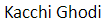
Show answer
Answer: (c)
- (a)
19. Lachhu Maharaj is a celebrated ________ dancer.
- (a) Kuchipudi
- (b) Bharatnatyam
- (c) Odissi
- (d) Kathak
Show answer
Answer: (d)
20. What is the name of the mascot for the 37th National Games?
- (a) Jelly
- (b) Pandi
- (c) Olly
- (d) Moga
Show answer
Answer: (d)
21.

- (a)

- (b)

- (c)

- (d)

Show answer
Answer: (c)
- (a)
22. Manika Batra won bronze medal in Asian Cup tournament. She is related to which sport?
- (a) Judo
- (b) Chess
- (c) Table Tennis
- (d) Gymnastic
Show answer
Answer: (c)
23. What is the name of the geographic feature that serves as a boundary between India and Sri Lanka?
- (a) Strait of Gibraltar
- (b) Dardanelles Strait
- (c) Bosporus Strait
- (d) Palk Strait
Show answer
Answer: (d)
24. FIFA U-17 Women's World Cup 2022 final was held in which city?
- (a) Margo
- (b) Navi Mumbai
- (c) Bhubaneswar
- (d) Ahmedabad
Show answer
Answer: (b)
25. The Tata Iron and Steel Company Limited (TISCO) was started in the year ________ at Sakchi in Jharkhand state.
- (a) 1989
- (b) 1907
- (c) 1951
- (d) 1975
Show answer
Answer: (b)
English Language and Comprehension
1. The following sentence has been split into four segments. Identify the segment that contains a grammatical error. By the time I turn thirty / I would had visited every / continent in the world and have gained / a wealth of knowledge and experience.
- (a) By the time I turn thirty
- (b) a wealth of knowledge and experience
- (c) I would had visited every
- (d) continent in the world and have gained
Show answer
Answer: (c)
2. The following sentence has been divided into four parts. Identify the part that contains an error. (A) It is a / (B) state of chaos / (C) since the / (D) chairman resigned.
- (a) D
- (b) A
- (c) B
- (d) C
Show answer
Answer: (b)
3. Select the most appropriate meaning of the given idiom. The apple of one’s eye
- (a) Very cheerful
- (b) Very dear
- (c) Very nice
- (d) Very pleasing
Show answer
Answer: (b)
4. Select the most appropriate ANTONYM of the given word. Harmony
- (a) Adaptability
- (b) Clarity
- (c) Unity
- (d) Conflict
Show answer
Answer: (d)
5. Select the most appropriate option that can substitute the underlined segment in the given sentence. Pandemics have often been caused by a disease that spreads by physical touch or contact.
- (a) are contagious
- (b) are vigorous
- (c) are robust
- (d) are fastidious
Show answer
Answer: (a)
6. Select the most appropriate meaning of the underlined idiom in the given sentence. The two neighbours will probably stop fighting when pigs fly
- (a) When their families meet
- (b) When there is magic
- (c) Something that is impossible
- (d) When it rains
Show answer
Answer: (c)
7. Select the most appropriate option to fill in the blank. Her dedication to her work was _______ what anyone had expected.
- (a) over
- (b) beyond
- (c) beside
- (d) through
Show answer
Answer: (b)
8. There is a spelling error in the given sentence. Select the option that contains the INCORRECTLY spelt word. He was in despare because of the expiry of his licence.
- (a) expiry
- (b) because
- (c) licence
- (d) despare
Show answer
Answer: (d)
9. Select the most appropriate ANTONYM of the given word. Demolish
- (a) Invite
- (b) Criticise
- (c) Construct
- (d) Appreciate
Show answer
Answer: (c)
10. Parts of the following sentence have been given as options. Select the option that contains an error. Tushar is junior than all his colleagues.
- (a) junior than all
- (b) is
- (c) Tushar
- (d) his colleagues
Show answer
Answer: (a)
11. Select the most appropriate synonym of the given word. Enchanted
- (a) Disgusted
- (b) Cursed
- (c) Appealing
- (d) Repelling
Show answer
Answer: (c)
12. Select the most appropriate meaning of the given idiom. By the skin of your teeth
- (a) By a very narrow margin
- (b) To be less affected by criticisms and rebuffs
- (c) Very protective
- (d) Saved by others
Show answer
Answer: (a)
13. The following sentence has been divided into four parts. Identify the part that contains an error. (A) One of / (B) my brothers write / (C) novels for / (D) leisure.
- (a) D
- (b) A
- (c) B
- (d) C
Show answer
Answer: (c)
14. The following sentence has been split into four segments. Identify the segment that contains a grammatical error. Henry is known / as an excellent writer / and good communicator / in English.
- (a) as an excellent writer
- (b) in English
- (c) Henry is known
- (d) and good communicator
Show answer
Answer: (d)
15. Select the option that can be used as a one-word substitute for the given group of words. The arrangement of events or dates in the order of their occurrence
- (a) Chronology
- (b) Theology
- (c) Entomology
- (d) Psychology
Show answer
Answer: (a)
16. Choose the most appropriate meaning of the underlined idiom in the given sentence. As soon as Rohan learned that he had topped the examination, he was on cloud nine.
- (a) Very tense
- (b) Very sad
- (c) Very happy
- (d) Very confused
Show answer
Answer: (c)
17. Select the most appropriate option that can substitute the underlined segment in the following sentence. His research on the migratory patterns of the birds is run-of-the-mill.
- (a) absurd
- (b) one in a million
- (c) trash
- (d) average
Show answer
Answer: (d)
18. Select the option that rectifies the spelling of the underlined word in the given sentence. The politician guaranted that he would create jobs if elected.
- (a) gurranted
- (b) gauaranteed
- (c) guarranteed
- (d) guaranteed
Show answer
Answer: (d)
19. Select the most appropriate option to fill in the blank. The old man distributed his property ________ his ten grandchildren equally.
- (a) within
- (b) among
- (c) towards
- (d) between
Show answer
Answer: (b)
20. Select the INCORRECTLY spelt word.
- (a) Paraphernalia
- (b) Handkerchiefs
- (c) Conjuror
- (d) Indispensible
Show answer
Answer: (d)
PassageFor questions 21–25
In the following passage, some words have been deleted. Read the passage carefully and select the most appropriate option to fill in each blank. Medical hand practices have been an integral part of healthcare for centuries, but with technological advancements, machines are (1)________ taking over. Robotic surgeries, for instance, have become increasingly popular, allowing surgeons to perform complex (2)________ with minimal invasive techniques. Machine learning and artificial intelligence have transformed medical diagnosis by analysing large amounts of patient data and providing highly detailed medical images. However, there are still challenges to overcome in the use of these technologies in healthcare. For example, the cost of purchasing and maintaining medical machines can be high, and there are concerns around the ethical use of AI in medicine. Nonetheless, it is clear that medical hand practices are (3)________ to machines, and these developments have the potential to revolutionise the healthcare industry. Additionally, the use of telemedicine and remote monitoring devices allows patients to receive medical care from the (4)________ of their homes, particularly beneficial for those in rural or remote areas. Furthermore, medical machines provide healthcare professionals with real-time information, (5) ________ them to make informed decisions and adjust treatment plans accordingly.
21. Select the most appropriate option to fill in blank no. 1.
- (a) sincerely
- (b) partially
- (c) gradually
- (d) deliberately
Show answer
Answer: (c)
22. Select the most appropriate option to fill in blank no. 2.
- (a) therapies
- (b) diagnosis
- (c) analysis
- (d) procedures
Show answer
Answer: (d)
23. Select the most appropriate option to fill in blank no. 3.
- (a) diminishing
- (b) evolving
- (c) depleting
- (d) stagnating
Show answer
Answer: (b)
24. Select the most appropriate option to fill in blank no. 4.
- (a) locality
- (b) comfort
- (c) range
- (d) inconvenience
Show answer
Answer: (b)
25. Select the most appropriate option to fill in blank no. 5.
- (a) reimagining
- (b) adapting
- (c) neglecting
- (d) enabling
Show answer
Answer: (d)
Show answers
Answer key
Answer key as marked in the Staff Selection Commission’s response sheet. “—” means the sheet did not show it clearly.
Numerical and Mathematical Ability
- Q 1
- (c)
- Q 2
- (d)
- Q 3
- (a)
- Q 4
- (a)
- Q 6
- (c)
- Q 7
- (c)
- Q 8
- (d)
- Q 9
- (b)
- Q 10
- (c)
- Q 11
- (d)
- Q 12
- (d)
- Q 13
- (a)
- Q 14
- (c)
- Q 15
- (b)
- Q 16
- (b)
- Q 17
- (d)
- Q 18
- (a)
- Q 19
- (d)
- Q 20
- (a)
Reasoning Ability and Problem Solving
- Q 1
- (d)
- Q 2
- (a)
- Q 3
- (c)
- Q 4
- (c)
- Q 5
- (b)
- Q 6
- (d)
- Q 8
- (c)
- Q 9
- (a)
- Q 10
- (c)
- Q 11
- (d)
- Q 13
- (c)
- Q 14
- (d)
- Q 16
- (d)
- Q 18
- (a)
- Q 19
- (c)
- Q 20
- (b)
General Awareness
- Q 2
- (a)
- Q 3
- (d)
- Q 4
- (d)
- Q 5
- (d)
- Q 6
- (a)
- Q 7
- (d)
- Q 8
- (d)
- Q 9
- (b)
- Q 10
- (d)
- Q 11
- (c)
- Q 12
- (d)
- Q 13
- (b)
- Q 14
- (d)
- Q 15
- (d)
- Q 16
- (a)
- Q 17
- (c)
- Q 19
- (d)
- Q 20
- (d)
- Q 21
- (c)
- Q 22
- (c)
- Q 23
- (d)
- Q 24
- (b)
- Q 25
- (b)
English Language and Comprehension
- Q 1
- (c)
- Q 2
- (b)
- Q 3
- (b)
- Q 4
- (d)
- Q 5
- (a)
- Q 6
- (c)
- Q 7
- (b)
- Q 8
- (d)
- Q 9
- (c)
- Q 10
- (a)
- Q 11
- (c)
- Q 12
- (a)
- Q 13
- (c)
- Q 14
- (d)
- Q 15
- (a)
- Q 16
- (c)
- Q 17
- (d)
- Q 18
- (d)
- Q 19
- (b)
- Q 20
- (d)
- Q 21
- (c)
- Q 22
- (d)
- Q 23
- (b)
- Q 24
- (b)
- Q 25
- (d)