ExamBharo · SSC MTS 2023 — 11 September 2023, Shift 2 · exambharo.com/ssc-mts/previous-year-papers/ssc-mts-2023-11-sep-shift-2/
Question paper · SSC MTS & Havaldar
SSC MTS 2023 — 11 September 2023, Shift 2
11 September 2023 · 12:30 PM–2:30 PM83 of the paper’s 90 questions1 per correct answer
Questions from the Staff Selection Commission’s paper of 11 September 2023, 12:30 PM–2:30 PM.
Preparing for SSC MTS & Havaldar? Get more, free
Daily previous-year questions as quizzes, and every SSC MTS & Havaldar notice the day it is out.
Numerical and Mathematical Ability
1.

- (a)

- (b)

- (c)

- (d)

Show answer
Answer: (a)
- (a)
2.

- (a)

- (b)

- (c)

- (d)

Show answer
Answer: (d)
- (a)
3.

- (a)

- (b)

- (c)

- (d)

Show answer
Answer: (c)
- (a)
4.

- (a)

- (b)

- (c)

- (d)

Show answer
Answer: (b)
- (a)
5.

- (a)

- (b)

- (c)

- (d)

Show answer
Answer: (d)
- (a)
6.

- (a)

- (b)

- (c)

- (d)

Show answer
Answer: (b)
- (a)
7.

- (a)

- (b)

- (c)

- (d)

Show answer
Answer: (b)
- (a)
8. ₹8,000 becomes ₹9,800 in three years at simple interest rate. If the rate of interest becomes two times of itself, then what will be the amount of the same principle in four years?
- (a) ₹10,800
- (b) ₹11,800
- (c) ₹12,800
- (d) ₹13,500
Show answer
Answer: (c)
9.

- (a)

- (b)

- (c)

- (d)

Show answer
Answer: (b)
- (a)
10.

- (a)

- (b)

- (c)

- (d)

Show answer
Answer: (c)
- (a)
11.

- (a)

- (b)

- (c)

- (d)

Show answer
Answer: (d)
- (a)
13.

- (a)

- (b)

- (c)

- (d)

Show answer
Answer: (c)
- (a)
14. By investing ₹12,000 in a scheme, R gets ₹15,500 back in return. What is his percentage of profit?
- (a) 27.19%
- (b) 29.17%
- (c) 17.92%
- (d) 19.17%
Show answer
Answer: (b)
15.
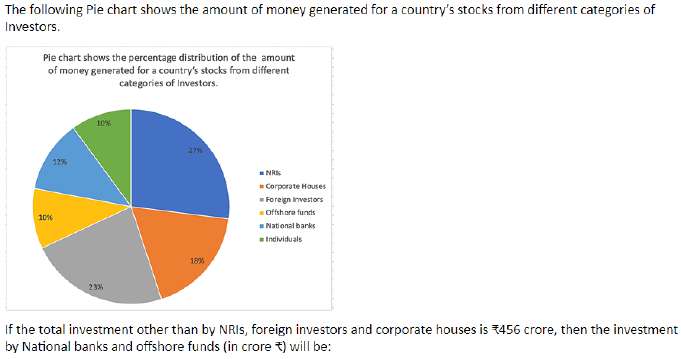
- (a)

- (b)

- (c)

- (d)

Show answer
Answer: (d)
- (a)
17.

- (a)

- (b)

- (c)

- (d)

Show answer
Answer: (b)
- (a)
18.

- (a)

- (b)

- (c)

- (d)

Show answer
Answer: (d)
- (a)
19.

- (a)

- (b)

- (c)

- (d)

Show answer
Answer: (b)
- (a)
20.
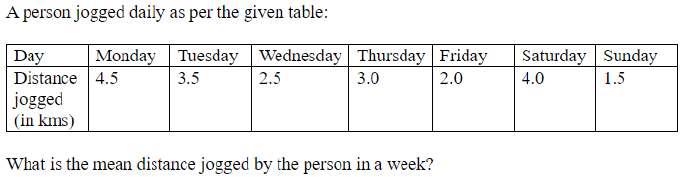
- (a)

- (b)

- (c)
- (d)

Show answer
Answer: (d)
- (a)
Reasoning Ability and Problem Solving
1.
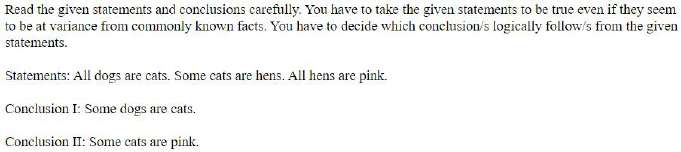
- (a)

- (b)

- (c)

- (d)

Show answer
Answer: (b)
- (a)
3.
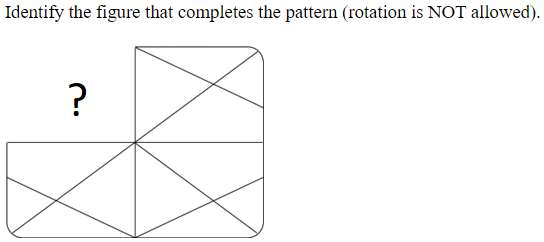
- (a)
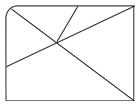
- (b)
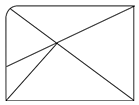
- (c)
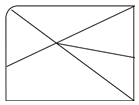
- (d)
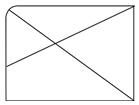
Show answer
Answer: (d)
- (a)
4.

- (a)

- (b)

- (c)

- (d)

Show answer
Answer: (a)
- (a)
6.

- (a)

- (b)

- (c)

- (d)

Show answer
Answer: (d)
- (a)
7.

- (a)

- (b)

- (c)

- (d)

Show answer
Answer: (d)
- (a)
8.

- (a)

- (b)

- (c)

- (d)

Show answer
Answer: (b)
- (a)
9.

- (a)

- (b)

- (c)

- (d)

Show answer
Answer: (a)
- (a)
10.

- (a)

- (b)

- (c)

- (d)

Show answer
Answer: (d)
- (a)
11.

- (a)

- (b)

- (c)

- (d)

Show answer
Answer: (c)
- (a)
12.

- (a)

- (b)

- (c)

- (d)

Show answer
Answer: (a)
- (a)
13.

- (a)

- (b)

- (c)

- (d)

Show answer
Answer: (d)
- (a)
14.

- (a)

- (b)

- (c)

- (d)

Show answer
Answer: (c)
- (a)
15.

- (a)

- (b)

- (c)

- (d)

Show answer
Answer: (a)
- (a)
16.
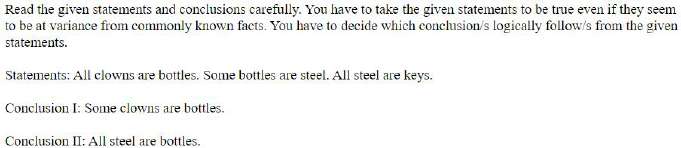
- (a)
- (b)
- (c)
- (d)
Show answer
Answer: (b)
- (a)
17.
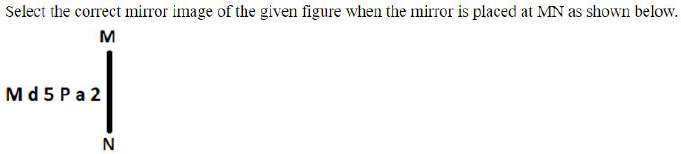
- (a)
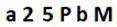
- (b)
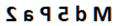
- (c)
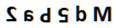
- (d)
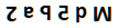
Show answer
Answer: (b)
- (a)
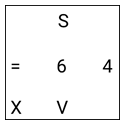
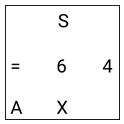
18.

- (a)
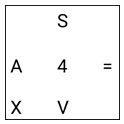
- (b)
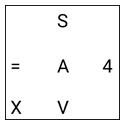
- (c)
- (d)
Show answer
Answer: (c)
- (a)
19.

- (a)

- (b)

- (c)

- (d)

Show answer
Answer: (b)
- (a)
20.

- (a)

- (b)

- (c)

- (d)

Show answer
Answer: (a)
- (a)
General Awareness
1. Who propounded the concept of ‘Rule of Law’?
- (a) AV Dicey
- (b) CK Daphtary
- (c) Austin
- (d) AK Sen
Show answer
Answer: (a)
2. In which state is Vijay Stambh situated?
- (a) Rajasthan
- (b) Punjab
- (c) Uttar Pradesh
- (d) Gujarat
Show answer
Answer: (a)
3. Which state passed a bill for the protection of advocates and became the first state to do so?
- (a) Punjab
- (b) Rajasthan
- (c) Haryana
- (d) Himachal Pradesh
Show answer
Answer: (b)
4. Chaoite, Buckminsterfullerene and Graphene are related to which element?
- (a) Arsenic
- (b) Carbon
- (c) Sulphur
- (d) Bromine
Show answer
Answer: (b)
5. Who is credited with the establishment of Servants of India Society?
- (a) Lala Lajpat Rai
- (b) Gopal Krishna Gokhale
- (c) MG Ranade
- (d) CR Das
Show answer
Answer: (b)
6. The value of all final goods and services produced within the country during one year is known as __________.
- (a) gross national product
- (b) net national product
- (c) gross domestic product
- (d) net domestic product
Show answer
Answer: (c)
7. Who was the first speaker of the Lok Sabha?
- (a) NS Reddy
- (b) GV Mavalankar
- (c) Ananthasayanam Ayyangar
- (d) Mira Kumar
Show answer
Answer: (b)
8.

- (a)

- (b)

- (c)

- (d)

Show answer
Answer: (b)
- (a)
9.

- (a)

- (b)

- (c)

- (d)

Show answer
Answer: (d)
- (a)
10. The technique of classical dancing was codified by ______________ in about the 5th century B.C.
- (a) Sudraka
- (b) Bharata
- (c) Chanakya
- (d) Kalhana
Show answer
Answer: (b)
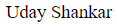
12.

- (a)

- (b)
- (c)

- (d)

Show answer
Answer: (b)
- (a)
13. According to the Census of India 2011, which of the following states has the lowest population?
- (a) Sikkim
- (b) Goa
- (c) Manipur
- (d) Mizoram
Show answer
Answer: (a)
14. The Lambadi dance is a folk dance form of the ____________ tribe and originated in Andhra Pradesh.
- (a) Sugali
- (b) Banjara
- (c) Nakkala
- (d) Dabba Yerukula
Show answer
Answer: (b)
15. In which of the following years was the Child Marriage Restraint Act passed?
- (a) 1856
- (b) 1947
- (c) 1878
- (d) 1929
Show answer
Answer: (d)
16. What is the main reason behind the substantial rainfall during summer on the western coasts of India?
- (a) Western Ghats
- (b) Eastern winds
- (c) Indus River
- (d) Eastern Ghats
Show answer
Answer: (a)
17. The second edition of Khelo India Youth Games, 2019 was organised in which city?
- (a) Pune
- (b) Guwahati
- (c) New Delhi
- (d) Mumbai
Show answer
Answer: (a)
18. ACF conferred Grandmaster ________ with Player of the Year award, who is only the sixth Indian to break the 2700 Elo-rating mark and the youngest Grandmaster from the country to be rated above 2700.
- (a) NR Vignesh
- (b) Aadit Khan
- (c) Koshy Varugeese
- (d) D Gukesh
Show answer
Answer: (d)
19. Which condition causes bone pain, poor growth, and soft, weak bones that can lead to bone deformities?
- (a) Rickets
- (b) Cerebral Palsy
- (c) Pertussis
- (d) Asplenia
Show answer
Answer: (a)
20. In which Indian musician’s name did the state of Massachusetts in the USA declare April 20th in 1984 as a day in his name?
- (a) Brij Narayan
- (b) Ali Akbar Khan
- (c) Rajeev Taranath
- (d) Amjad Ali Khan
Show answer
Answer: (d)
21. Which of the following is an advantage of microfinance institutions in India?
- (a) Limited impact on poverty reduction
- (b) Increased reliance on informal lending sources
- (c) Minimal support for women entrepreneurs
- (d) Enhanced financial inclusion
Show answer
Answer: (d)
22. Which of the following statements about Mahatma Gandhi is INCORRECT?
- (a) Mahatma Gandhi was born in 1869 in Porbandar.
- (b) In 1942, he launched the Quit India Movement.
- (c) He led the Champaran Satyagraha in 1910.
- (d) He led the Dandi Salt March in 1930.
Show answer
Answer: (c)
23. Which university won the first place in the 3rd Khelo India University Games?
- (a) University of Mumbai
- (b) Panjab University
- (c) Shivaji University
- (d) University of Madras
Show answer
Answer: (b)
24. In which of the following states of India is the maximum extent of alluvial soil found?
- (a) Telangana
- (b) Uttar Pradesh
- (c) Karnataka
- (d) Maharashtra
Show answer
Answer: (b)
25. The ________ port was developed after Independence to ease the volume of trade on the Mumbai port.
- (a) Kandla
- (b) Kolkata
- (c) Chennai
- (d) Visakhapatnam
Show answer
Answer: (a)
English Language and Comprehension
1. Select the INCORRECTLY spelt word.
- (a) Curiousity
- (b) Vehemence
- (c) Superficial
- (d) Synagogue
Show answer
Answer: (a)
3. Select the most appropriate meaning of the given idiom. To cross swords
- (a) To kill
- (b) To arrange
- (c) To fight
- (d) To defend
Show answer
Answer: (c)
4. Select the most appropriate option to fill in the blank. Virtual worlds are recently new phenomena in that they _________ people to meet and socially interact with others in a variety of online environments.
- (a) forbid
- (b) bring
- (c) choose
- (d) enable
Show answer
Answer: (d)
5. The following sentence has been split into four segments. Identify the segment that contains an error. I have seen / a movie / on schooling / yesterday.
- (a) I have seen
- (b) on schooling
- (c) yesterday
- (d) a movie
Show answer
Answer: (a)
6. Select the most appropriate ANTONYM of the given word. Cheap
- (a) Expensive
- (b) Ignorant
- (c) Old
- (d) Untangle
Show answer
Answer: (a)
7. Select the most appropriate option that can substitute the underlined segment in the given sentence. Kavya invited all her friends, isn’t it?
- (a) didn’t she?
- (b) did she?
- (c) don’t she?
- (d) isn’t she?
Show answer
Answer: (a)
8. Select the most appropriate idiom to fill in the blank. The deal was ________ for three months.
- (a) cut no ice
- (b) broken the ice
- (c) tipped of the iceberg
- (d) put on ice
Show answer
Answer: (d)
10. The following sentence has been split into four segments. Identify the segment that contains a grammatical error. They decided to / travel in train / instead of driving / to New Delhi.
- (a) They decided to
- (b) travel in train
- (c) to New Delhi
- (d) instead of driving
Show answer
Answer: (b)
11. Select the most appropriate ANTONYM of the given word. Strengthen
- (a) Debilitate
- (b) Strain
- (c) Fortify
- (d) Ascend
Show answer
Answer: (a)
12. Select the most appropriate ANTONYM of the given word. Fame
- (a) Name
- (b) Shame
- (c) Scandal
- (d) Stingy
Show answer
Answer: (b)
13. Select the sentence that has NO spelling errors.
- (a) My new phone has a high-resolusion screen and powerful proccessor, which makes it perfect for streming videos and playing games.
- (b) My new phone has a high-resollution screen and a powerfull procesor, which makes it perfect for streaming videos and playing games.
- (c) My new phone has a high-resolution screen and a powerful processor, which makes it perfect for streaming videos and playing games.
- (d) My new phone has a high-resolution screan and powerfull procesor, which makes it perfect for streming videos and playing games.
Show answer
Answer: (c)
14. Identify the INCORRECTLY spelt word in the following sentence. Being a doktor, my sister Meera is prepared for an emergency usually.
- (a) prepared
- (b) doktor
- (c) usually
- (d) emergency
Show answer
Answer: (b)
15. Select the option that can be used as a one-word substitute for the underlined group of words. I suppose dancing that well would require a lot of actual application.
- (a) prevention
- (b) perseverance
- (c) practice
- (d) perception
Show answer
Answer: (c)
16. The following sentence has been split into four segments. Identify the segment that contains a grammatical error. A music / is a great way / to express / your emotions.
- (a) to express
- (b) is a great way
- (c) A music
- (d) your emotions
Show answer
Answer: (c)
17. Select the most appropriate idiom to fill in the blank. You are an intellectual with a professional degree; you can do wonders as _____________.
- (a) you are playing with fire
- (b) you can say it again
- (c) your mileage may vary
- (d) the world is your oyster
Show answer
Answer: (d)
18. Select the most appropriate option that can substitute the underlined segment in the given sentence. Rashmi works at the hospital, don’t she?
- (a) does she?
- (b) has she?
- (c) doesn’t she?
- (d) do she?
Show answer
Answer: (c)
19. Parts of the following sentence have been given as options. Select the option that contains an error. Radha will have learnt cooking by the time she will have married.
- (a) learnt cooking
- (b) by the time
- (c) she will have married
- (d) Radha will have
Show answer
Answer: (c)
20. Select the option that can be used as a one-word substitute for the given group of words. Fear of closed spaces
- (a) Xenophobia
- (b) Claustrophobia
- (c) Hydrophobia
- (d) Zoophobia
Show answer
Answer: (b)
PassageFor questions 21–25
In the following passage, some words have been deleted. Read the passage carefully and select the most appropriate option to fill in each blank. A cashless India is the first step towards making the dream of digital India a reality. Government is trying to (1)____________ a cashless environment in the country. Demonetisation appears to be a stepping (2)___________ in that direction. To help facilitate this, government even (3)_____________ its own app ‘BHIM’ built for the same purpose. The (4)___________ of conducting online financial transactions is probably the biggest motivator to go digital. You will no longer need to carry wads of cash, plastic cards or even queue up for ATM withdrawals. It’s also safer and easier spending option when you are travelling. Making transactions digitally makes it easy to keep track of your finances. The (5)___________ are enormous for everyone if you leave out the low-income group, which will face a huge challenge. For the rest of the country, it is constructive and simple. However, the convenience of net-banking, m-banking, card or mobile wallet transactions can make you spend more than your budget.
21. Select the most appropriate option to fill in blank No. 1.
- (a) preach
- (b) determine
- (c) precede
- (d) create
Show answer
Answer: (d)
22. Select the most appropriate option to fill in blank No. 2.
- (a) method
- (b) matter
- (c) stairs
- (d) stone
Show answer
Answer: (d)
23. Select the most appropriate option to fill in blank No. 3.
- (a) followed
- (b) sensed
- (c) launched
- (d) submitted
Show answer
Answer: (c)
24. Select the most appropriate option to fill in blank No. 4.
- (a) hassle
- (b) ease
- (c) agony
- (d) delay
Show answer
Answer: (b)
25. Select the most appropriate option to fill in blank No. 5.
- (a) attempts
- (b) scenarios
- (c) benefits
- (d) severity
Show answer
Answer: (c)
Show answers
Answer key
Answer key as marked in the Staff Selection Commission’s response sheet. “—” means the sheet did not show it clearly.
Numerical and Mathematical Ability
- Q 1
- (a)
- Q 2
- (d)
- Q 3
- (c)
- Q 4
- (b)
- Q 5
- (d)
- Q 6
- (b)
- Q 7
- (b)
- Q 8
- (c)
- Q 9
- (b)
- Q 10
- (c)
- Q 11
- (d)
- Q 13
- (c)
- Q 14
- (b)
- Q 15
- (d)
- Q 17
- (b)
- Q 18
- (d)
- Q 19
- (b)
- Q 20
- (d)
Reasoning Ability and Problem Solving
- Q 1
- (b)
- Q 3
- (d)
- Q 4
- (a)
- Q 6
- (d)
- Q 7
- (d)
- Q 8
- (b)
- Q 9
- (a)
- Q 10
- (d)
- Q 11
- (c)
- Q 12
- (a)
- Q 13
- (d)
- Q 14
- (c)
- Q 15
- (a)
- Q 16
- (b)
- Q 17
- (b)
- Q 18
- (c)
- Q 19
- (b)
- Q 20
- (a)
General Awareness
- Q 1
- (a)
- Q 2
- (a)
- Q 3
- (b)
- Q 4
- (b)
- Q 5
- (b)
- Q 6
- (c)
- Q 7
- (b)
- Q 8
- (b)
- Q 9
- (d)
- Q 10
- (b)
- Q 12
- (b)
- Q 13
- (a)
- Q 14
- (b)
- Q 15
- (d)
- Q 16
- (a)
- Q 17
- (a)
- Q 18
- (d)
- Q 19
- (a)
- Q 20
- (d)
- Q 21
- (d)
- Q 22
- (c)
- Q 23
- (b)
- Q 24
- (b)
- Q 25
- (a)
English Language and Comprehension
- Q 1
- (a)
- Q 3
- (c)
- Q 4
- (d)
- Q 5
- (a)
- Q 6
- (a)
- Q 7
- (a)
- Q 8
- (d)
- Q 10
- (b)
- Q 11
- (a)
- Q 12
- (b)
- Q 13
- (c)
- Q 14
- (b)
- Q 15
- (c)
- Q 16
- (c)
- Q 17
- (d)
- Q 18
- (c)
- Q 19
- (c)
- Q 20
- (b)
- Q 21
- (d)
- Q 22
- (d)
- Q 23
- (c)
- Q 24
- (b)
- Q 25
- (c)