ExamBharo · SSC CHSL 2023 Tier I — 9 August 2023, Shift 4 · exambharo.com/ssc-chsl/previous-year-papers/ssc-chsl-2023-tier-1-9-aug-shift-4/
Question paper · SSC CHSL
SSC CHSL 2023 Tier I — 9 August 2023, Shift 4
9 August 2023 · 5:15 PM–6:15 PM88 of the paper’s 100 questions+2 for a correct answer, −0.5 for a wrong one
Left out of the original paper: 12 (any question that needs a figure, symbol or formatting we cannot show, or whose text or answer did not come through cleanly from the official document).
Questions from the Staff Selection Commission’s paper of 9 August 2023, 5:15 PM–6:15 PM. Each question’s answer is under it, hidden until you open it, and the full answer key is at the end. Take the paper as a timed practice test to be scored.
English Language
1. Select the most appropriate option that can substitute the underlined segment in the given sentence. Sheela tried for argue with him though she knew that it was of no use.
- (a) to argue with him
- (b) of argue with him
- (c) in argue with him
- (d) on argue with him
Show answer
Answer: (a)
2. Select the most appropriate idiom for the given situation. Don’t annoy or irritate Raghav, otherwise he will oppose our proposal in the meeting.
- (a) Pass the buck
- (b) Pour oil on troubled water
- (c) Rub in the wrong way
- (d) Loose the ground
Show answer
Answer: (c)
3. Select the ANTONYM of the word repel to fill in the blank. Her bright blue eyes ________ everyone in the party.
- (a) disgust
- (b) vacillate
- (c) attract
- (d) amenable
Show answer
Answer: (c)
4. Select the most appropriate ANTONYM of the given word. Ludicrous
- (a) Ridiculous
- (b) Insane
- (c) Wise
- (d) Pathetic
Show answer
Answer: (c)
6. Select the most appropriate idiom for the given statement. Doing things in a hurry does not give fruitful results.
- (a) Nothing succeeds like success.
- (b) Still waters run deep.
- (c) Haste is waste.
- (d) Wisdom is too high for a fool.
Show answer
Answer: (c)
7. Select the option that expresses the given sentence in passive voice. The garment business has made Archie rich.
- (a) Archie has been made rich by the garment business.
- (b) Archie have been made rich by the garment business.
- (c) Archie had been made rich by the garment business.
- (d) Archie is made rich by the garment business.
Show answer
Answer: (a)
8. Select the most appropriate ANTONYM of the word given in brackets to fill in the blank. The ________ (chill) of the sun on his face was a welcome respite from the chilly morning air.
- (a) glow
- (b) blush
- (c) warmth
- (d) brightness
Show answer
Answer: (c)
9. Select the INCORRECTLY spelt word.
- (a) Infer
- (b) Neutral
- (c) Apprehensive
- (d) Maintanence
Show answer
Answer: (d)
10. Parts of the following sentence have been given as options. One of them may contain an error. Select the option that contains the error. If you don’t find any error, mark ‘No error’ as your answer. By virtue off the power given to the leader, the followers accepted his decision.
- (a) No error
- (b) By virtue off
- (c) the power given to the leader
- (d) the followers accepted his decision
Show answer
Answer: (b)
11. Select the most appropriate synonym of the underlined word. Education gives people the knowledge and skills they need to stay healthy, get jobs and foster tolerance.
- (a) entrench
- (b) distrust
- (c) lethargy
- (d) endurance
Show answer
Answer: (d)
12. Select the most appropriate ANTONYM of the underlined word. The doctor reassured Raman that the lump was benign, which brought immense relief to both him and his family.
- (a) Harsh
- (b) Rugged
- (c) Malignant
- (d) Healthy
Show answer
Answer: (c)
13. Parts of a sentence are given below in jumbled order. Arrange the parts in the correct order to form a meaningful sentence. A. disrupted, posing major threats to progress B. global health systems have been C. health services have been D. overwhelmed and many essential E. in fighting other deadly diseases
- (a) BECDA
- (b) EADCB
- (c) BDCAE
- (d) DEABC
Show answer
Answer: (c)
15. Select the option that can be used as a one-word substitute for the given group of words. A person who is against the use of violence and war to settle disputes
- (a) Fatalist
- (b) Hedonist
- (c) Pacifist
- (d) Misogynist
Show answer
Answer: (c)
16. Identity the correct spelling of the underlined word. Alcohol causes intocsication.
- (a) intoxication
- (b) intaxicasion
- (c) entoxkation
- (d) intakcication
Show answer
Answer: (a)
17. Parts of a sentence are given below in jumbled order. Arrange the parts in the correct order to form a meaningful sentence. P. so they design the advertisement of products in such a way Q. the main target consumers of food companies R. that consumers are stimulated to buy them repeatedly S. are children and youth of the country
- (a) QRSP
- (b) RPQS
- (c) PRQS
- (d) QSPR
Show answer
Answer: (d)
18. Parts of the following sentence have been given as options. Select the option that contains an error. The team of scientists were conducting experiments to test their hypothesis.
- (a) experiments to test
- (b) The team of scientists
- (c) their hypothesis
- (d) were conducting
Show answer
Answer: (d)
19. Parts of a sentence are given below in jumbled order. Arrange the parts in the correct order to form a meaningful sentence. P. due to the lofty hilly terrain, curves and cliffs Q. the route to Badrinath R. is one of the most arduous one S. amidst the most scenically beautiful place on the earth
- (a) QRPS
- (b) QSPR
- (c) PRSQ
- (d) PQRS
Show answer
Answer: (a)
20. Select the most appropriate ANTONYM of the given word. Fixation
- (a) Formulation
- (b) Indifference
- (c) Inclination
- (d) Reformation
Show answer
Answer: (b)
PassageFor questions 21–25
In the following passage, some words have been deleted. Read the passage carefully and select the most appropriate option to fill in each blank.
The solar system is made up of the sun, planets, moons, asteroids, and comets that 1._____________ around it. Its mysteries and wonders have captured the imagination of people from all walks of life, and it continues to be an area of active research and exploration. The sun is at the centre of the solar system and is the largest object in it. The eight planets in the solar system, 2.___________ Earth, orbit around the sun in nearly circular paths. While the sun is at the centre of the solar system and dominates its gravitational pull, each planet has its own unique set of characteristics that makes it a fascinating object to study. Each planet in the solar system has unique characteristics and features. 3._____________ planets, such as Mercury and Venus, are small and rocky, while others, like Jupiter and Saturn, are much larger and made up mostly of gas. The outer planets, Uranus and Neptune, are 4._________ as ‘ice giants’ because they contain more water, ammonia, and methane than the gas giants. In addition to the planets, the solar system also has numerous moons, asteroids, and comets. These objects provide important 5._______ about the formation and evolution of the solar system.
21. Select the most appropriate option to fill in blank 1.
- (a) form
- (b) orbit
- (c) stick
- (d) fly
Show answer
Answer: (b)
22. Select the most appropriate option to fill in blank 2.
- (a) excluding
- (b) diluting
- (c) dissolving
- (d) including
Show answer
Answer: (d)
23. Select the most appropriate option to fill in blank 3.
- (a) Few
- (b) Some
- (c) Many
- (d) A lot
Show answer
Answer: (b)
24. Select the most appropriate option to fill in blank 4.
- (a) classified
- (b) magnified
- (c) restricted
- (d) indulged
Show answer
Answer: (a)
25. Select the most appropriate option to fill in blank 5.
- (a) sets
- (b) derivations
- (c) clues
- (d) biases
Show answer
Answer: (c)
General Intelligence
1.

- (a)

- (b)

- (c)

- (d)

Show answer
Answer: (d)
- (a)
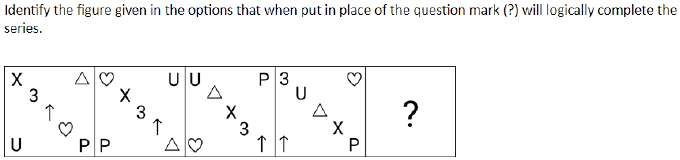
2.
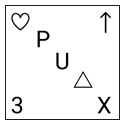
- (a)
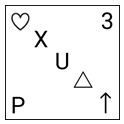
- (b)
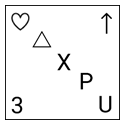
- (c)
- (d)
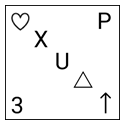
Show answer
Answer: (a)
- (a)
3.
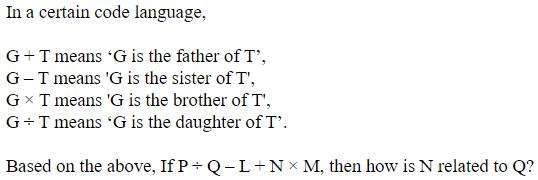
- (a)

- (b)

- (c)

- (d)

Show answer
Answer: (d)
- (a)
4.

- (a)

- (b)

- (c)

- (d)

Show answer
Answer: (c)
- (a)
5.

- (a)

- (b)

- (c)

- (d)

Show answer
Answer: (d)
- (a)
6.
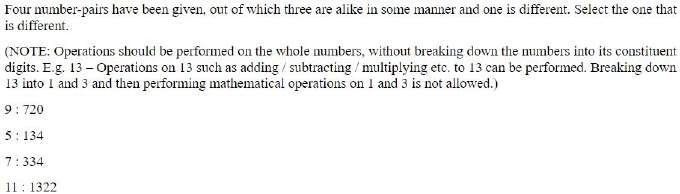
- (a)

- (b)

- (c)

- (d)

Show answer
Answer: (b)
- (a)
7.

- (a)

- (b)

- (c)

- (d)

Show answer
Answer: (c)
- (a)
8.

- (a)

- (b)

- (c)

- (d)

Show answer
Answer: (c)
- (a)
9.

- (a)

- (b)

- (c)

- (d)

Show answer
Answer: (d)
- (a)
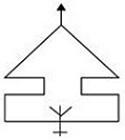
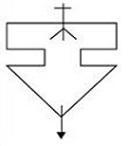
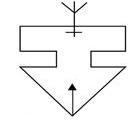
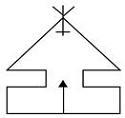
10.
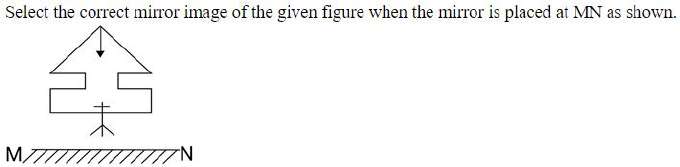
- (a)
- (b)
- (c)
- (d)
Show answer
Answer: (c)
- (a)
11.

- (a)

- (b)

- (c)

- (d)

Show answer
Answer: (b)
- (a)
12.

- (a)

- (b)

- (c)

- (d)

Show answer
Answer: (a)
- (a)
13.

- (a)

- (b)

- (c)

- (d)

Show answer
Answer: (a)
- (a)
14.
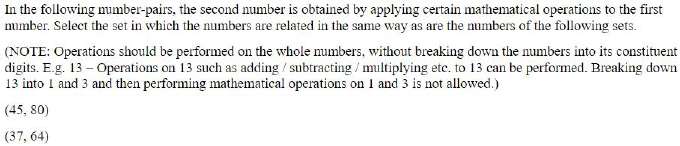
- (a)

- (b)

- (c)

- (d)

Show answer
Answer: (c)
- (a)
15.

- (a)

- (b)

- (c)

- (d)

Show answer
Answer: (c)
- (a)
17.

- (a)

- (b)

- (c)

- (d)

Show answer
Answer: (b)
- (a)
19.
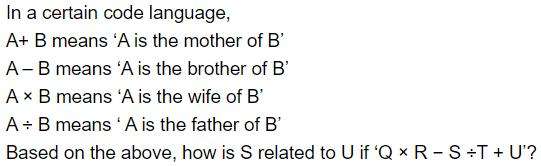
- (a)

- (b)

- (c)

- (d)

Show answer
Answer: (c)
- (a)
20.

- (a)

- (b)

- (c)

- (d)

Show answer
Answer: (b)
- (a)
22.

- (a)

- (b)

- (c)

- (d)

Show answer
Answer: (b)
- (a)
23.
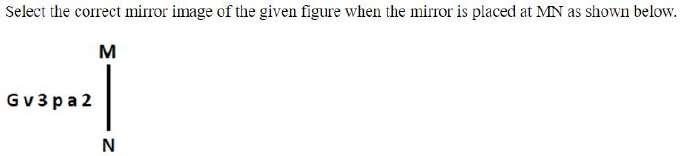
- (a)
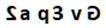
- (b)
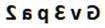
- (c)
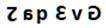
- (d)
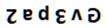
Show answer
Answer: (b)
- (a)
24.

- (a)

- (b)

- (c)

- (d)

Show answer
Answer: (d)
- (a)
25.
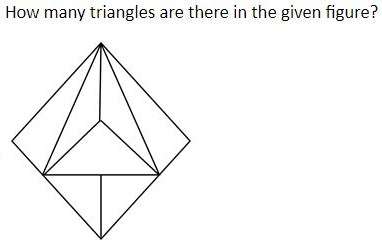
- (a)

- (b)

- (c)

- (d)

Show answer
Answer: (c)
- (a)
Quantitative Aptitude
1.

- (a)

- (b)

- (c)

- (d)

Show answer
Answer: (b)
- (a)
2.

- (a)

- (b)

- (c)

- (d)

Show answer
Answer: (d)
- (a)
3.

- (a)

- (b)

- (c)

- (d)

Show answer
Answer: (b)
- (a)
4.
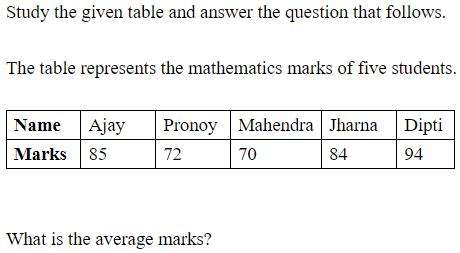
- (a)

- (b)

- (c)

- (d)

Show answer
Answer: (c)
- (a)
5.

- (a)

- (b)

- (c)

- (d)

Show answer
Answer: (c)
- (a)
6.

- (a)

- (b)

- (c)

- (d)

Show answer
Answer: (b)
- (a)
7.

- (a)

- (b)

- (c)

- (d)

Show answer
Answer: (c)
- (a)
8.

- (a)

- (b)

- (c)

- (d)

Show answer
Answer: (c)
- (a)
9.
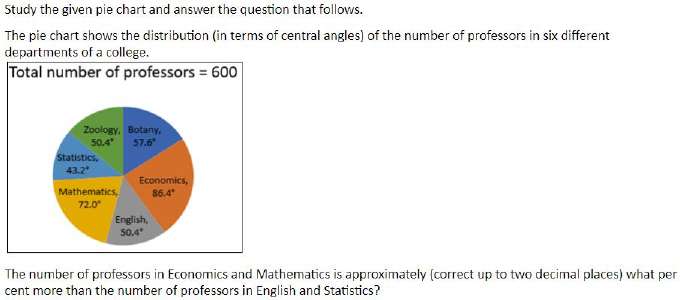
- (a)

- (b)

- (c)

- (d)

Show answer
Answer: (a)
- (a)
10.

- (a)

- (b)

- (c)

- (d)

Show answer
Answer: (b)
- (a)
11.

- (a)

- (b)

- (c)

- (d)

Show answer
Answer: (d)
- (a)
12.

- (a)

- (b)

- (c)

- (d)

Show answer
Answer: (c)
- (a)
13.

- (a)

- (b)

- (c)

- (d)

Show answer
Answer: (a)
- (a)
15.

- (a)

- (b)

- (c)

- (d)

Show answer
Answer: (a)
- (a)
16.

- (a)

- (b)

- (c)

- (d)

Show answer
Answer: (c)
- (a)
17.

- (a)

- (b)

- (c)

- (d)

Show answer
Answer: (c)
- (a)
18.
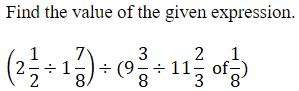
- (a)

- (b)

- (c)

- (d)

Show answer
Answer: (c)
- (a)
20.

- (a)

- (b)

- (c)

- (d)

Show answer
Answer: (b)
- (a)
21.

- (a)
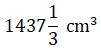
- (b)

- (c)

- (d)

Show answer
Answer: (a)
- (a)
22.

- (a)

- (b)

- (c)

- (d)

Show answer
Answer: (d)
- (a)
23.

- (a)

- (b)

- (c)

- (d)

Show answer
Answer: (c)
- (a)
24.
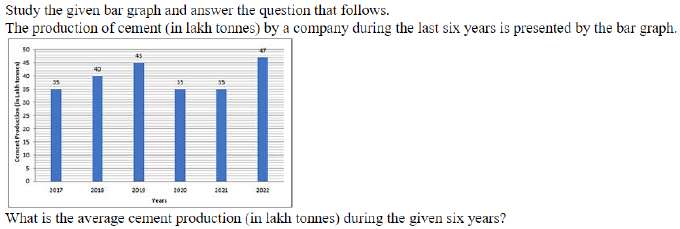
- (a)

- (b)

- (c)

- (d)

Show answer
Answer: (c)
- (a)
25.

- (a)

- (b)

- (c)

- (d)

Show answer
Answer: (b)
- (a)
General Awareness
1.

- (a)

- (b)

- (c)

- (d)

Show answer
Answer: (b)
- (a)
2.

- (a)

- (b)

- (c)

- (d)

Show answer
Answer: (d)
- (a)
3.

- (a)

- (b)

- (c)

- (d)

Show answer
Answer: (a)
- (a)
4.

- (a)

- (b)

- (c)

- (d)

Show answer
Answer: (d)
- (a)
5.

- (a)

- (b)

- (c)

- (d)

Show answer
Answer: (c)
- (a)
8.
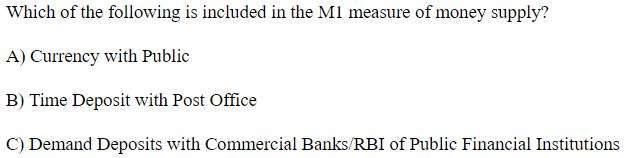
- (a)

- (b)

- (c)

- (d)

Show answer
Answer: (b)
- (a)
9.

- (a)

- (b)

- (c)

- (d)

Show answer
Answer: (c)
- (a)
11.

- (a)

- (b)

- (c)

- (d)

Show answer
Answer: (d)
- (a)
12.

- (a)

- (b)

- (c)
- (d)
Show answer
Answer: (b)
- (a)
13.

- (a)

- (b)

- (c)

- (d)

Show answer
Answer: (a)
- (a)
14.

- (a)

- (b)

- (c)

- (d)

Show answer
Answer: (b)
- (a)
15.

- (a)

- (b)

- (c)

- (d)

Show answer
Answer: (d)
- (a)
16.

- (a)

- (b)

- (c)

- (d)

Show answer
Answer: (c)
- (a)
17.

- (a)

- (b)

- (c)

- (d)

Show answer
Answer: (b)
- (a)
18.

- (a)

- (b)

- (c)

- (d)

Show answer
Answer: (a)
- (a)
19.

- (a)

- (b)

- (c)

- (d)

Show answer
Answer: (d)
- (a)
20.

- (a)

- (b)

- (c)

- (d)

Show answer
Answer: (c)
- (a)
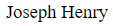
22.

- (a)

- (b)

- (c)
- (d)

Show answer
Answer: (c)
- (a)
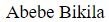
23.

- (a)
- (b)

- (c)

- (d)

Show answer
Answer: (b)
- (a)
25.

- (a)

- (b)

- (c)

- (d)

Show answer
Answer: (d)
- (a)
Show answers
Answer key
Answer key as marked in the Staff Selection Commission’s response sheet. “—” means the sheet did not show it clearly.
English Language
- Q 1
- (a)
- Q 2
- (c)
- Q 3
- (c)
- Q 4
- (c)
- Q 6
- (c)
- Q 7
- (a)
- Q 8
- (c)
- Q 9
- (d)
- Q 10
- (b)
- Q 11
- (d)
- Q 12
- (c)
- Q 13
- (c)
- Q 15
- (c)
- Q 16
- (a)
- Q 17
- (d)
- Q 18
- (d)
- Q 19
- (a)
- Q 20
- (b)
- Q 21
- (b)
- Q 22
- (d)
- Q 23
- (b)
- Q 24
- (a)
- Q 25
- (c)
General Intelligence
- Q 1
- (d)
- Q 2
- (a)
- Q 3
- (d)
- Q 4
- (c)
- Q 5
- (d)
- Q 6
- (b)
- Q 7
- (c)
- Q 8
- (c)
- Q 9
- (d)
- Q 10
- (c)
- Q 11
- (b)
- Q 12
- (a)
- Q 13
- (a)
- Q 14
- (c)
- Q 15
- (c)
- Q 17
- (b)
- Q 19
- (c)
- Q 20
- (b)
- Q 22
- (b)
- Q 23
- (b)
- Q 24
- (d)
- Q 25
- (c)
Quantitative Aptitude
- Q 1
- (b)
- Q 2
- (d)
- Q 3
- (b)
- Q 4
- (c)
- Q 5
- (c)
- Q 6
- (b)
- Q 7
- (c)
- Q 8
- (c)
- Q 9
- (a)
- Q 10
- (b)
- Q 11
- (d)
- Q 12
- (c)
- Q 13
- (a)
- Q 15
- (a)
- Q 16
- (c)
- Q 17
- (c)
- Q 18
- (c)
- Q 20
- (b)
- Q 21
- (a)
- Q 22
- (d)
- Q 23
- (c)
- Q 24
- (c)
- Q 25
- (b)
General Awareness
- Q 1
- (b)
- Q 2
- (d)
- Q 3
- (a)
- Q 4
- (d)
- Q 5
- (c)
- Q 8
- (b)
- Q 9
- (c)
- Q 11
- (d)
- Q 12
- (b)
- Q 13
- (a)
- Q 14
- (b)
- Q 15
- (d)
- Q 16
- (c)
- Q 17
- (b)
- Q 18
- (a)
- Q 19
- (d)
- Q 20
- (c)
- Q 22
- (c)
- Q 23
- (b)
- Q 25
- (d)