ExamBharo · SSC CHSL 2023 Tier I — 14 August 2023, Shift 3 · exambharo.com/ssc-chsl/previous-year-papers/ssc-chsl-2023-tier-1-14-aug-shift-3/
Question paper · SSC CHSL
SSC CHSL 2023 Tier I — 14 August 2023, Shift 3
14 August 2023 · 2:30 PM–3:30 PM85 of the paper’s 100 questions+2 for a correct answer, −0.5 for a wrong one
Left out of the original paper: 15 (any question that needs a figure, symbol or formatting we cannot show, or whose text or answer did not come through cleanly from the official document).
Questions from the Staff Selection Commission’s paper of 14 August 2023, 2:30 PM–3:30 PM. Each question’s answer is under it, hidden until you open it, and the full answer key is at the end. Take the paper as a timed practice test to be scored.
English Language
1. Select the option that can be used as a one-word substitute for the underlined segment. The new technology was much more productive and achieved maximum output with minimum wasted effort or expense.
- (a) efficient
- (b) elaborate
- (c) rapid
- (d) magnificent
Show answer
Answer: (a)
2. Select the most appropriate ANTONYM to substitute the underlined word in the following sentence. There was an interminable struggle from his part in his fight against cancer.
- (a) overwhelming
- (b) inappropriate
- (c) unsustainable
- (d) intermittent
Show answer
Answer: (d)
3. The following sentence has been split into four segments. Identify the segment that contains a spelling error. Majority of the people / do not comprehend / the vissicitudes / of regular life.
- (a) Majority of the people
- (b) the vissicitudes
- (c) of regular life
- (d) do not comprehend
Show answer
Answer: (b)
4. Select the option that expresses the given sentence in active voice. The victim was found innocent as well as honest by the police.
- (a) The police find the victim innocent as well as honest.
- (b) The police has found the victim innocent and honest.
- (c) The police found the victim innocent as well as honest.
- (d) The police finds the victim innocent and honest.
Show answer
Answer: (c)
5. Select the most appropriate synonym of the bracketed word in the following sentence to fill in the blank. She looked ________ (amazed) when she heard the news.
- (a) inspired
- (b) afflicted
- (c) induced
- (d) astonished
Show answer
Answer: (d)
6. The following sentence has been divided into four parts. One of them contains an error. Select the part that contains the error from the given options. This boy / is cleverest / of all / in the class.
- (a) in the class
- (b) This boy
- (c) is cleverest
- (d) of all
Show answer
Answer: (c)
7. Select the most appropriate ANTONYM of the given word. Dominate
- (a) Protect
- (b) Cover
- (c) Open
- (d) Liberate
Show answer
Answer: (d)
8. Parts of a sentence are given below in jumbled order. Arrange the parts in the correct order to form a meaningful sentence. A. featuring the fool, or jester, who represented the weaknesses, B. fool's literature is the allegorical satires C. popular throughout Europe from the 15th to the 17th century, D. vices, and grotesqueries of contemporary society
- (a) BCAD
- (b) DABC
- (c) CABD
- (d) ACDB
Show answer
Answer: (a)
9. Select the option that can be used as a one-word substitute for the given group of words. Free time; time at one’s own disposal
- (a) Leisure
- (b) Legible
- (c) Lethal
- (d) Legion
Show answer
Answer: (a)
10. Select the most appropriate option that can substitute the underlined words in the given sentence. Despite facing numerous obstacles and setbacks, the determined entrepreneur refused to give up on her dream of creating a successful startup that would transform the sector.
- (a) that will improvise the sector
- (b) that shall redesign the industry
- (c) that could socialise the sector
- (d) that would revolutionise the industry
Show answer
Answer: (d)
11. Select the most appropriate synonym of the given word. Fraudulent
- (a) Genuine
- (b) Counterfeit
- (c) Unimaginative
- (d) Dissimilar
Show answer
Answer: (b)
12. Select the appropriate ANTONYM of the underlined word to fill in the blank. We should try to pacify the situation and not _____ it further.
- (a) mitigate
- (b) standardise
- (c) illustrate
- (d) aggravate
Show answer
Answer: (d)
13. Select the most appropriate ANTONYM of the given underline word. We sell magazines, groceries and sundry articles.
- (a) Diverse
- (b) careless
- (c) Scanty
- (d) Profuse
Show answer
Answer: (c)
14. Select the option that expresses the given sentence in active voice. The entrance of the museum was opened by the official.
- (a) The official opened the entrance of the museum.
- (b) The official had opened the entrance of the museum.
- (c) The official open the entrance of the museum.
- (d) The officials opening the entrance of the museum.
Show answer
Answer: (a)
15. Select the most appropriate meaning of the given idiom. Cry for the moon
- (a) To start performing better
- (b) To have patience
- (c) To desire the unattainable
- (d) To be extremely happy
Show answer
Answer: (c)
16. Select the option with the correct spelling that can replace the underlined word in the given sentence. Employees were lay of from work due to the recession.
- (a) laid off
- (b) laid of
- (c) lay off
- (d) layed off
Show answer
Answer: (a)
17. Identify the error in the use of preposition in the given sentence and select the correct option. Her family lost their way on Daman.
- (a) over
- (b) in
- (c) upon
- (d) of
Show answer
Answer: (b)
18. Select the most appropriate option that can substitute the underlined segment in the given sentence. Amal brightened of when they said he could go with them.
- (a) brightened in when they
- (b) brightened on when they
- (c) brightened upon when they
- (d) brightened up when they
Show answer
Answer: (d)
20. Select the option that can be used as a one-word substitute for the underlined group of words. Henny Penny is a story that is passed down from generation to generation through spoken word.
- (a) folktale
- (b) fable
- (c) epic
- (d) parable
Show answer
Answer: (a)
PassageFor questions 21–25
In the following passage some words have been deleted. Read the passage carefully and select the most appropriate option to fill in each blank.
Five centuries after Leonardo da Vinci painted the Mona Lisa (1503–19), the portrait hangs behind bulletproof glass (1)_______ the Louvre Museum and draws thousands of jostling spectators each day. It is the most famous painting in the world, and yet, when viewers manage to see the artwork up close, they are likely to be (2)________ by the small subdued portrait of an ordinary woman. She’s dressed modestly in a translucent veil, dark robes, and no jewellery. Much has been said about her smile and gaze, but viewers still might wonder what all the (3)_____ is about. Along with the mysteries of the sitter’s identity and her (4)________ look, the reason for the work’s popularity is one of its many conundrums. Although many theories have attempted to pinpoint one reason for the art piece’s celebrity, the most compelling arguments insist that there is no one explanation. The Mona Lisa’s fame is the result of many chance circumstances combined with the painting’s (5)_______ appeal.
21. Select the most appropriate option to fill in blank number 1.
- (a) within
- (b) beside
- (c) toward
- (d) outside
Show answer
Answer: (a)
22. Select the most appropriate option to fill in blank number 2.
- (a) composed
- (b) unfazed
- (c) baffled
- (d) fine
Show answer
Answer: (c)
23. Select the most appropriate option to fill in blank number 3.
- (a) fuss
- (b) unease
- (c) cavil
- (d) censure
Show answer
Answer: (a)
24. Select the most appropriate option to fill in blank number 4.
- (a) dark
- (b) occult
- (c) enigmatic
- (d) murky
Show answer
Answer: (c)
25. Select the most appropriate option to fill in blank number 5.
- (a) inherent
- (b) focal
- (c) limited
- (d) logical
Show answer
Answer: (a)
General Intelligence
1.

- (a)

- (b)

- (c)

- (d)

Show answer
Answer: (a)
- (a)
2.

- (a)

- (b)

- (c)

- (d)

Show answer
Answer: (b)
- (a)
3.

- (a)

- (b)

- (c)

- (d)

Show answer
Answer: (a)
- (a)
4.

- (a)

- (b)

- (c)

- (d)

Show answer
Answer: (d)
- (a)
5.

- (a)

- (b)
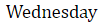
- (c)

- (d)

Show answer
Answer: (a)
- (a)
6.

- (a)

- (b)

- (c)

- (d)

Show answer
Answer: (b)
- (a)
8.

- (a)

- (b)

- (c)

- (d)

Show answer
Answer: (c)
- (a)
10.

- (a)

- (b)

- (c)

- (d)

Show answer
Answer: (b)
- (a)
11.
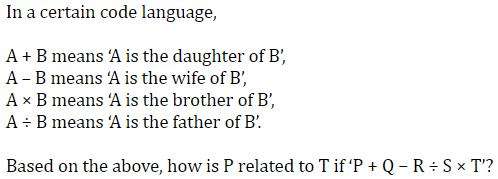
- (a)

- (b)

- (c)

- (d)

Show answer
Answer: (a)
- (a)
12.

- (a)

- (b)

- (c)

- (d)

Show answer
Answer: (d)
- (a)
13.
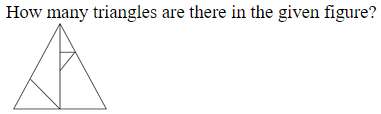
- (a)

- (b)

- (c)

- (d)

Show answer
Answer: (d)
- (a)
14.

- (a)

- (b)

- (c)

- (d)

Show answer
Answer: (c)
- (a)
15.

- (a)
- (b)
- (c)

- (d)
Show answer
Answer: (c)
- (a)
16.
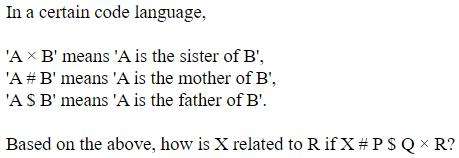
- (a)

- (b)

- (c)

- (d)

Show answer
Answer: (b)
- (a)
17.

- (a)

- (b)

- (c)

- (d)

Show answer
Answer: (a)
- (a)
18.
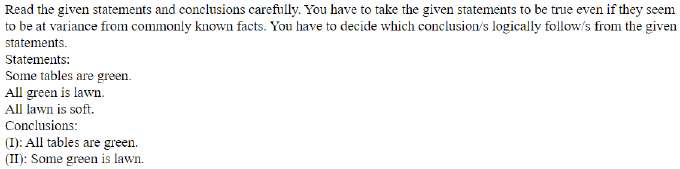
- (a)

- (b)

- (c)

- (d)

Show answer
Answer: (b)
- (a)
19.
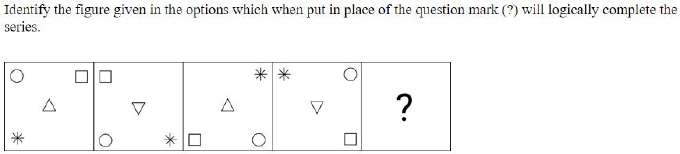
- (a)
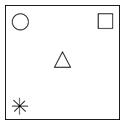
- (b)
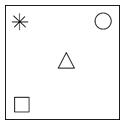
- (c)
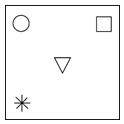
- (d)
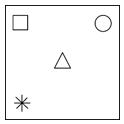
Show answer
Answer: (a)
- (a)
20.

- (a)

- (b)

- (c)

- (d)

Show answer
Answer: (d)
- (a)
21.
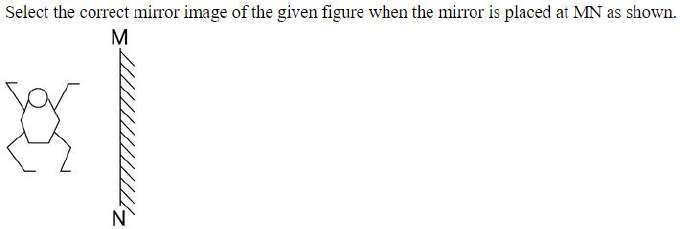
- (a)
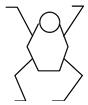
- (b)
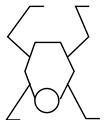
- (c)
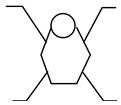
- (d)
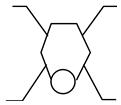
Show answer
Answer: (a)
- (a)
22.

- (a)

- (b)

- (c)

- (d)

Show answer
Answer: (d)
- (a)
23.

- (a)

- (b)

- (c)

- (d)

Show answer
Answer: (a)
- (a)
24.
- (a)
- (b)
- (c)
- (d)
Show answer
Answer: (b)
- (a)
Quantitative Aptitude
3.

- (a)

- (b)

- (c)

- (d)

Show answer
Answer: (c)
- (a)
4.

- (a)

- (b)

- (c)

- (d)

Show answer
Answer: (c)
- (a)
5.

- (a)

- (b)

- (c)

- (d)

Show answer
Answer: (c)
- (a)
6.

- (a)

- (b)

- (c)

- (d)

Show answer
Answer: (d)
- (a)
7.

- (a)

- (b)

- (c)

- (d)

Show answer
Answer: (c)
- (a)
8.

- (a)

- (b)

- (c)

- (d)

Show answer
Answer: (b)
- (a)
9.

- (a)

- (b)

- (c)

- (d)

Show answer
Answer: (c)
- (a)
12.
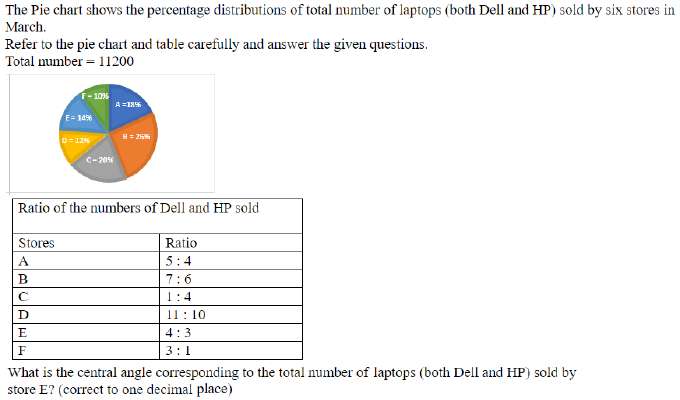
- (a)

- (b)

- (c)

- (d)

Show answer
Answer: (c)
- (a)
13.

- (a)

- (b)

- (c)

- (d)

Show answer
Answer: (a)
- (a)
14.

- (a)

- (b)

- (c)

- (d)

Show answer
Answer: (b)
- (a)
15.

- (a)

- (b)

- (c)

- (d)

Show answer
Answer: (a)
- (a)
16.

- (a)

- (b)

- (c)

- (d)

Show answer
Answer: (a)
- (a)
17.

- (a)

- (b)

- (c)

- (d)

Show answer
Answer: (d)
- (a)
18.

- (a)

- (b)

- (c)

- (d)

Show answer
Answer: (b)
- (a)
19.

- (a)

- (b)

- (c)

- (d)

Show answer
Answer: (b)
- (a)
20.
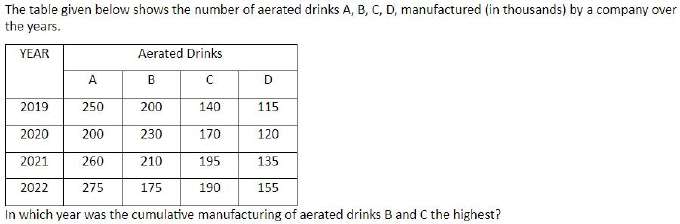
- (a)

- (b)

- (c)

- (d)

Show answer
Answer: (a)
- (a)
21.

- (a)
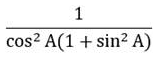
- (b)
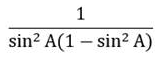
- (c)
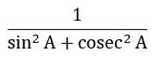
- (d)
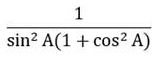
Show answer
Answer: (b)
- (a)
23.

- (a)

- (b)
- (c)
- (d)
Show answer
Answer: (d)
- (a)
24.

- (a)

- (b)

- (c)

- (d)

Show answer
Answer: (a)
- (a)
General Awareness
1.

- (a)

- (b)
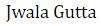
- (c)

- (d)

Show answer
Answer: (c)
- (a)
3.

- (a)

- (b)
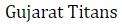
- (c)
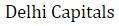
- (d)

Show answer
Answer: (b)
- (a)
4.

- (a)
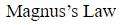
- (b)

- (c)
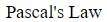
- (d)

Show answer
Answer: (c)
- (a)
5.

- (a)
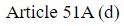
- (b)
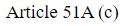
- (c)
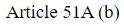
- (d)
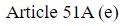
Show answer
Answer: (d)
- (a)
6.

- (a)

- (b)
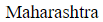
- (c)

- (d)

Show answer
Answer: (c)
- (a)
7.

- (a)

- (b)

- (c)

- (d)

Show answer
Answer: (a)
- (a)
8.

- (a)

- (b)

- (c)

- (d)

Show answer
Answer: (b)
- (a)
9.

- (a)

- (b)

- (c)

- (d)

Show answer
Answer: (c)
- (a)
10.

- (a)

- (b)
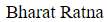
- (c)

- (d)

Show answer
Answer: (c)
- (a)
11.

- (a)

- (b)

- (c)

- (d)

Show answer
Answer: (b)
- (a)
12.

- (a)

- (b)

- (c)

- (d)

Show answer
Answer: (b)
- (a)
13.

- (a)

- (b)
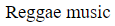
- (c)
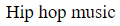
- (d)

Show answer
Answer: (d)
- (a)
14.

- (a)
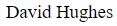
- (b)

- (c)
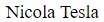
- (d)

Show answer
Answer: (d)
- (a)
15.

- (a)

- (b)

- (c)

- (d)

Show answer
Answer: (c)
- (a)
16.

- (a)

- (b)

- (c)

- (d)

Show answer
Answer: (a)
- (a)
18.

- (a)

- (b)

- (c)

- (d)

Show answer
Answer: (b)
- (a)
21.

- (a)

- (b)

- (c)

- (d)
Show answer
Answer: (a)
- (a)
23.

- (a)
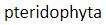
- (b)

- (c)

- (d)

Show answer
Answer: (a)
- (a)
24.

- (a)

- (b)

- (c)

- (d)

Show answer
Answer: (a)
- (a)
25.

- (a)

- (b)

- (c)

- (d)

Show answer
Answer: (a)
- (a)
Show answers
Answer key
Answer key as marked in the Staff Selection Commission’s response sheet. “—” means the sheet did not show it clearly.
English Language
- Q 1
- (a)
- Q 2
- (d)
- Q 3
- (b)
- Q 4
- (c)
- Q 5
- (d)
- Q 6
- (c)
- Q 7
- (d)
- Q 8
- (a)
- Q 9
- (a)
- Q 10
- (d)
- Q 11
- (b)
- Q 12
- (d)
- Q 13
- (c)
- Q 14
- (a)
- Q 15
- (c)
- Q 16
- (a)
- Q 17
- (b)
- Q 18
- (d)
- Q 20
- (a)
- Q 21
- (a)
- Q 22
- (c)
- Q 23
- (a)
- Q 24
- (c)
- Q 25
- (a)
General Intelligence
- Q 1
- (a)
- Q 2
- (b)
- Q 3
- (a)
- Q 4
- (d)
- Q 5
- (a)
- Q 6
- (b)
- Q 8
- (c)
- Q 10
- (b)
- Q 11
- (a)
- Q 12
- (d)
- Q 13
- (d)
- Q 14
- (c)
- Q 15
- (c)
- Q 16
- (b)
- Q 17
- (a)
- Q 18
- (b)
- Q 19
- (a)
- Q 20
- (d)
- Q 21
- (a)
- Q 22
- (d)
- Q 23
- (a)
- Q 24
- (b)
Quantitative Aptitude
- Q 3
- (c)
- Q 4
- (c)
- Q 5
- (c)
- Q 6
- (d)
- Q 7
- (c)
- Q 8
- (b)
- Q 9
- (c)
- Q 12
- (c)
- Q 13
- (a)
- Q 14
- (b)
- Q 15
- (a)
- Q 16
- (a)
- Q 17
- (d)
- Q 18
- (b)
- Q 19
- (b)
- Q 20
- (a)
- Q 21
- (b)
- Q 23
- (d)
- Q 24
- (a)
General Awareness
- Q 1
- (c)
- Q 3
- (b)
- Q 4
- (c)
- Q 5
- (d)
- Q 6
- (c)
- Q 7
- (a)
- Q 8
- (b)
- Q 9
- (c)
- Q 10
- (c)
- Q 11
- (b)
- Q 12
- (b)
- Q 13
- (d)
- Q 14
- (d)
- Q 15
- (c)
- Q 16
- (a)
- Q 18
- (b)
- Q 21
- (a)
- Q 23
- (a)
- Q 24
- (a)
- Q 25
- (a)