ExamBharo · SSC CHSL 2023 Tier I — 10 August 2023, Shift 2 · exambharo.com/ssc-chsl/previous-year-papers/ssc-chsl-2023-tier-1-10-aug-shift-2/
Question paper · SSC CHSL
SSC CHSL 2023 Tier I — 10 August 2023, Shift 2
10 August 2023 · 11:45 AM–12:45 PM89 of the paper’s 100 questions+2 for a correct answer, −0.5 for a wrong one
Left out of the original paper: 11 (any question that needs a figure, symbol or formatting we cannot show, or whose text or answer did not come through cleanly from the official document).
Questions from the Staff Selection Commission’s paper of 10 August 2023, 11:45 AM–12:45 PM. Each question’s answer is under it, hidden until you open it, and the full answer key is at the end. Take the paper as a timed practice test to be scored.
English Language
1. Select the most appropriate option to fill in the blank. My cousin owns a shop of food __________.
- (a) additives
- (b) addetivis
- (c) aditives
- (d) addetives
Show answer
Answer: (a)
2. Select the most appropriate option to substitute the underlined segment in the following sentence. The newly admitted students has been given a pair of uniforms by the management.
- (a) are been given a pair
- (b) has given a pair
- (c) have been given a pair
- (d) have being given a pair
Show answer
Answer: (c)
4. Select the most appropriate synonym of the given word. Survey
- (a) Disregard
- (b) Slothful
- (c) Scrutinise
- (d) Apathy
Show answer
Answer: (c)
5. Select the most appropriate idiom for the underlined segment in the following sentence. Rohit is very mischievous and always annoys his teachers.
- (a) Gets in his teacher’s hair
- (b) Puts his shoulders to the wheel
- (c) A storm in a tea cup
- (d) Leads up the garden path
Show answer
Answer: (a)
6. Select the most appropriate option that can substitute the underlined segment in the given sentence. Pooja could feel the anger building off inside her.
- (a) building upon inside her
- (b) building of inside her
- (c) building on inside her
- (d) building up inside her
Show answer
Answer: (d)
7. The following sentence has been split into four segments. Identify the segment that contains a grammatical error. Can you please / pass me a sweater? / It’s going to be / the cold day today.
- (a) Can you please
- (b) the cold day today
- (c) It’s going to be
- (d) pass me a sweater?
Show answer
Answer: (b)
8. Select the most appropriate option that can substitute the underlined words in the following sentence. The health-care system is in transition at those moment.
- (a) at that moments
- (b) at the moment
- (c) at a moments
- (d) at these moment
Show answer
Answer: (b)
9. Parts of a sentence are given below in jumbled order. Arrange the parts in the correct order to form a meaningful sentence. A.groups such as migrants and B.collecting data on vulnerable population C.persons with disabilities is crucial D.understanding who are being left behind E.in identifying the challenges they face and
- (a) EADCB
- (b) CABED
- (c) BACED
- (d) DACBE
Show answer
Answer: (c)
10. Select the most appropriate meaning of the homonym in the context of the following sentence to fill in the blank. They do not say anything but stalk furiously out of the room. ‘Stalk’ here means __________.
- (a) the stem or main axis of a plant
- (b) to walk in an angry or proud way
- (c) to go through an area in search of prey
- (d) recur constantly and spontaneously
Show answer
Answer: (b)
11. Select the most appropriate ANTONYM of the underlined word. The Tokyo Games accelerated energy policies in Japan, demonstrating how they could make steps towards a low-carbon economy by powering the athletes’ village with hydrogen from clean, green sources.
- (a) inspiring
- (b) exploring
- (c) collating
- (d) hiding
Show answer
Answer: (d)
13. The following sentence has been split into four segments. Identify the segment that contains a grammatical error. Can you please / open a door? / I can hear / somebody knocking.
- (a) Can you please
- (b) somebody knocking
- (c) I can hear
- (d) open a door?
Show answer
Answer: (d)
14. Select the most appropriate option to fill in the blank. She suffered an emotional ___________ after the death of her husband in a road accident.
- (a) turbulense
- (b) terbulense
- (c) toorbulence
- (d) turbulence
Show answer
Answer: (d)
15. Parts of a sentence are given below in jumbled order. Select the option that arranges the parts in the correct order to form a meaningful sentence. A. although many scholars believe that B. no records of such a commission from Francesco exist, C. the painting depicts Lisa Gherardini, wife of the Florentine merchant Francesco del Giocondo, D. and the sitter has never been conclusively identified
- (a) D, C, B, A
- (b) C, A, B, D
- (c) B, D, A, C
- (d) A, C, B, D
Show answer
Answer: (d)
16. Select the most appropriate ANTONYM of the given word. Hysterical
- (a) Controlled
- (b) Resolute
- (c) Manful
- (d) Shy
Show answer
Answer: (a)
17. Select the most appropriate idiom for the underlined segment in the following sentence. The child played the video game as much as he wanted to.
- (a) To his heart’s content
- (b) To gild the pill
- (c) To kick the bucket
- (d) To assume airs
Show answer
Answer: (a)
19. Select the appropriate ANTONYM of the underlined word to fill in the blank. The flow of the river is very rapid now. Let’s go in when it’s a little _________.
- (a) fast
- (b) quick
- (c) delayed
- (d) slow
Show answer
Answer: (d)
20. Select the most appropriate synonym of the word ‘Flung’ from the given sentence. The entrepreneur's innovative strategies propelled his startup to success.
- (a) Strategies
- (b) Innovative
- (c) Success
- (d) Propelled
Show answer
Answer: (d)
PassageFor questions 21–25
In the following passage, some words have been deleted. Read the passage carefully and select the most appropriate option to fill in each blank.
Primitive cultures are those that exist in societies that have not yet developed advanced technology or complex social (1)_______________. These cultures are often characterised by their close relationship with the natural world. Despite being considered ‘primitive’, these cultures have a rich history and a unique way of life that is (2)____________ studying and preserving. These cultures often have a deep understanding of the environment and its cycles, and they have developed intricate systems of knowledge and belief that are closely tied to nature. For example, indigenous cultures in the Amazon rainforest have an (3)___________ knowledge of the medicinal properties of plants and the cycles of the seasons, which they use to sustain themselves and their communities. Another important aspect is that these cultures often have complex systems of kinship and social hierarchy. Despite the many challenges that primitive cultures face, including the (4)___________ of modern societies and environmental degradation, these cultures have an important role to play in our understanding of the human experience. They offer a different (5)______________ on the world and its complexities, and their traditions and knowledge have the potential to inform and enrich our modern lives.
21. Select the most appropriate option to fill in blank 1.
- (a) borders
- (b) outlines
- (c) structures
- (d) configurations
Show answer
Answer: (c)
22. Select the most appropriate option to fill in blank 2.
- (a) important
- (b) insignificant
- (c) worth
- (d) trivial
Show answer
Answer: (c)
23. Select the most appropriate option to fill in blank 3.
- (a) acquired
- (b) intimate
- (c) estimated
- (d) gained
Show answer
Answer: (b)
24. Select the most appropriate option to fill in blank 4.
- (a) migration
- (b) possession
- (c) encroachment
- (d) estimation
Show answer
Answer: (c)
25. Select the most appropriate option to fill in blank 5.
- (a) conclusion
- (b) perspective
- (c) blame
- (d) biasness
Show answer
Answer: (b)
General Intelligence
1.
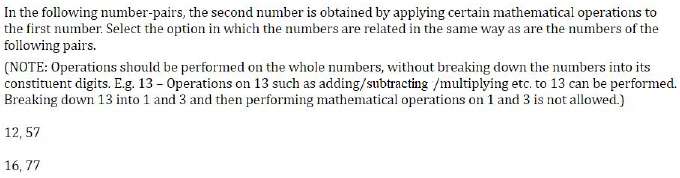
- (a)

- (b)

- (c)

- (d)

Show answer
Answer: (c)
- (a)
2.

- (a)

- (b)

- (c)

- (d)

Show answer
Answer: (a)
- (a)
3.

- (a)

- (b)

- (c)

- (d)

Show answer
Answer: (a)
- (a)
4.

- (a)

- (b)

- (c)

- (d)

Show answer
Answer: (c)
- (a)
5.

- (a)

- (b)

- (c)

- (d)

Show answer
Answer: (b)
- (a)
6.
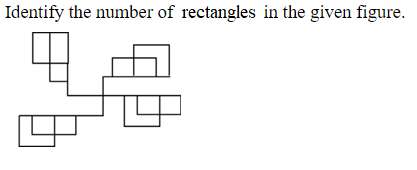
- (a)

- (b)

- (c)

- (d)

Show answer
Answer: (c)
- (a)
7.

- (a)

- (b)

- (c)

- (d)

Show answer
Answer: (b)
- (a)
8.
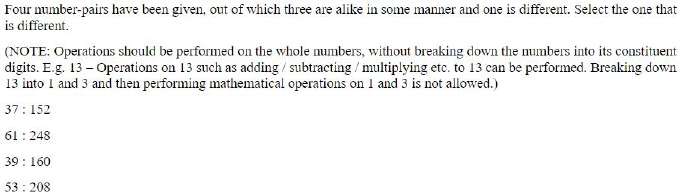
- (a)

- (b)

- (c)

- (d)

Show answer
Answer: (d)
- (a)
9.
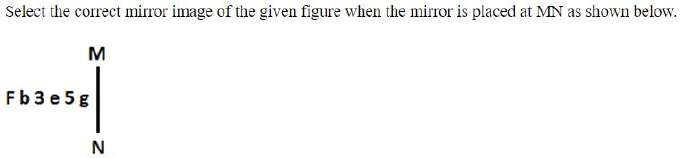
- (a)
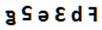
- (b)
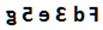
- (c)
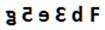
- (d)
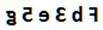
Show answer
Answer: (d)
- (a)
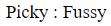
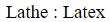
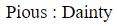
10.

- (a)

- (b)
- (c)
- (d)
Show answer
Answer: (b)
- (a)
11.

- (a)

- (b)

- (c)

- (d)

Show answer
Answer: (d)
- (a)
12.

- (a)

- (b)

- (c)

- (d)

Show answer
Answer: (c)
- (a)
13.

- (a)

- (b)

- (c)

- (d)

Show answer
Answer: (d)
- (a)
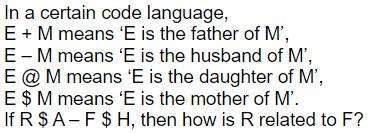
14.
- (a)

- (b)

- (c)

- (d)

Show answer
Answer: (b)
- (a)
15.

- (a)

- (b)
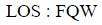
- (c)

- (d)
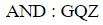
Show answer
Answer: (c)
- (a)
16.
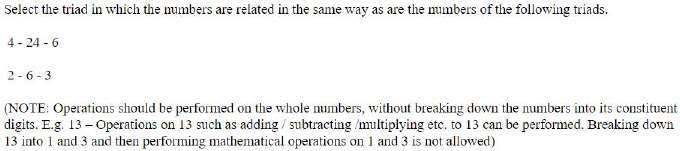
- (a)

- (b)

- (c)

- (d)

Show answer
Answer: (d)
- (a)
17.

- (a)

- (b)

- (c)

- (d)

Show answer
Answer: (c)
- (a)
18.

- (a)

- (b)

- (c)

- (d)

Show answer
Answer: (a)
- (a)
19.
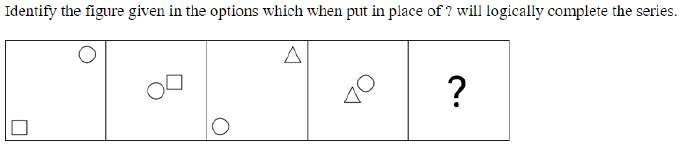
- (a)
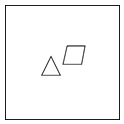
- (b)
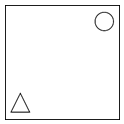
- (c)
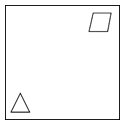
- (d)

Show answer
Answer: (c)
- (a)
20.

- (a)

- (b)

- (c)

- (d)

Show answer
Answer: (d)
- (a)
21.
- (a)

- (b)

- (c)

- (d)

Show answer
Answer: (a)
- (a)
22.

- (a)

- (b)

- (c)

- (d)

Show answer
Answer: (b)
- (a)
23.
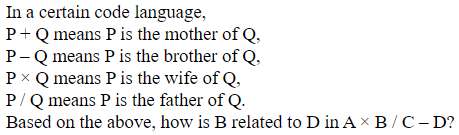
- (a)

- (b)

- (c)

- (d)

Show answer
Answer: (c)
- (a)
24.

- (a)

- (b)

- (c)

- (d)

Show answer
Answer: (c)
- (a)
25.
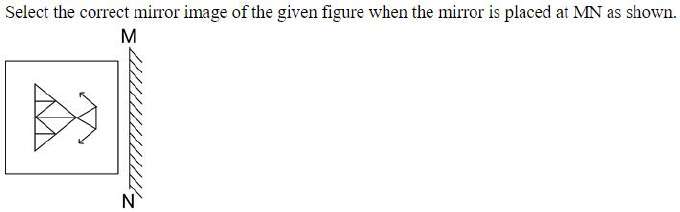
- (a)
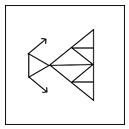
- (b)
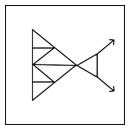
- (c)
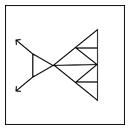
- (d)
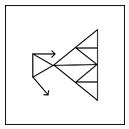
Show answer
Answer: (a)
- (a)
Quantitative Aptitude
1.

- (a)

- (b)

- (c)

- (d)

Show answer
Answer: (d)
- (a)
2.
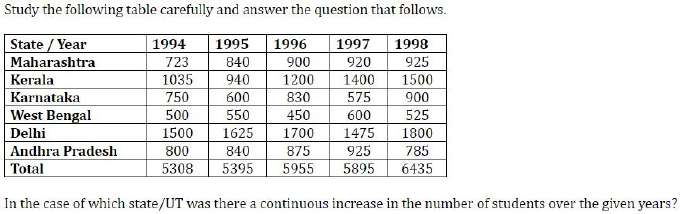
- (a)

- (b)

- (c)

- (d)
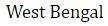
Show answer
Answer: (b)
- (a)
3.

- (a)

- (b)

- (c)

- (d)

Show answer
Answer: (a)
- (a)
4.

- (a)

- (b)

- (c)

- (d)

Show answer
Answer: (c)
- (a)
5.

- (a)

- (b)

- (c)

- (d)

Show answer
Answer: (d)
- (a)
6.

- (a)

- (b)

- (c)

- (d)

Show answer
Answer: (a)
- (a)
7.

- (a)

- (b)

- (c)

- (d)

Show answer
Answer: (c)
- (a)
8.

- (a)
- (b)
- (c)

- (d)

Show answer
Answer: (d)
- (a)
9.

- (a)

- (b)

- (c)
- (d)

Show answer
Answer: (a)
- (a)
10.

- (a)

- (b)

- (c)

- (d)

Show answer
Answer: (d)
- (a)
11.

- (a)

- (b)

- (c)

- (d)

Show answer
Answer: (a)
- (a)
12.

- (a)

- (b)

- (c)

- (d)

Show answer
Answer: (a)
- (a)
14.

- (a)

- (b)

- (c)

- (d)

Show answer
Answer: (b)
- (a)
15.

- (a)

- (b)

- (c)

- (d)

Show answer
Answer: (b)
- (a)
16.

- (a)

- (b)

- (c)

- (d)

Show answer
Answer: (b)
- (a)
17.

- (a)

- (b)

- (c)
- (d)

Show answer
Answer: (d)
- (a)
18.

- (a)

- (b)

- (c)

- (d)

Show answer
Answer: (a)
- (a)
19.

- (a)

- (b)

- (c)

- (d)

Show answer
Answer: (a)
- (a)
20.

- (a) 69
- (b) 72
- (c) 84
- (d) 48
Show answer
Answer: (a)
21.
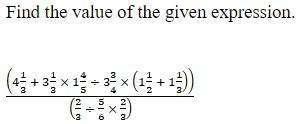
- (a)

- (b)

- (c)

- (d)

Show answer
Answer: (d)
- (a)
22.
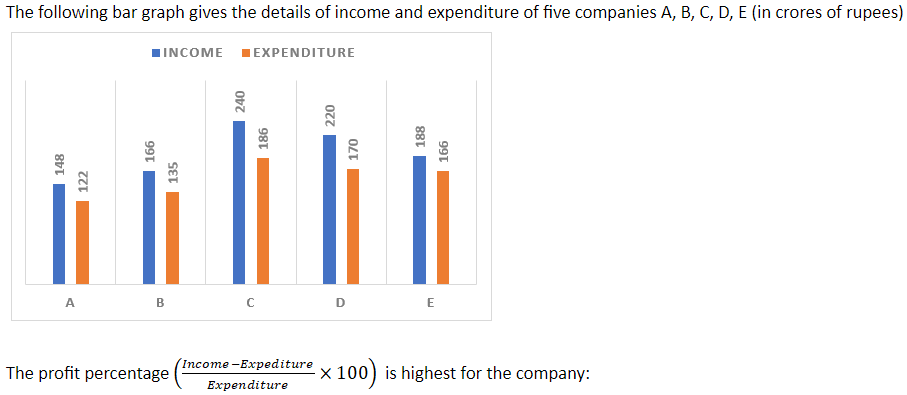
- (a)

- (b)

- (c)

- (d)

Show answer
Answer: (a)
- (a)
23.

- (a)

- (b)

- (c)

- (d)

Show answer
Answer: (c)
- (a)
24.

- (a)
- (b)
- (c)

- (d)

Show answer
Answer: (c)
- (a)
25.
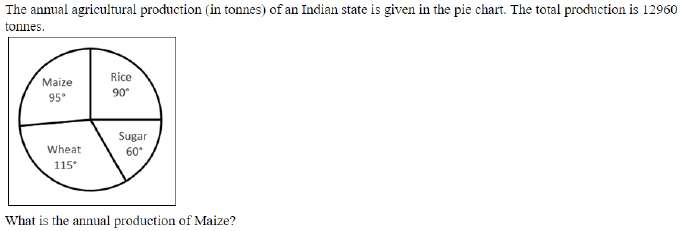
- (a)

- (b)
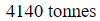
- (c)

- (d)
Show answer
Answer: (c)
- (a)
General Awareness
1.

- (a)

- (b)

- (c)

- (d)
Show answer
Answer: (c)
- (a)
2.

- (a)

- (b)

- (c)

- (d)

Show answer
Answer: (d)
- (a)
4.

- (a)

- (b)

- (c)

- (d)

Show answer
Answer: (a)
- (a)
5.

- (a)

- (b)

- (c)

- (d)

Show answer
Answer: (d)
- (a)
6.

- (a)

- (b)

- (c)

- (d)

Show answer
Answer: (c)
- (a)
7.

- (a)

- (b)

- (c)

- (d)

Show answer
Answer: (b)
- (a)
8.

- (a)

- (b)

- (c)

- (d)

Show answer
Answer: (d)
- (a)
10.

- (a)

- (b)

- (c)

- (d)

Show answer
Answer: (b)
- (a)
13.

- (a)
- (b)
- (c)

- (d)

Show answer
Answer: (c)
- (a)
15.

- (a)

- (b)

- (c)

- (d)

Show answer
Answer: (b)
- (a)
16.

- (a)

- (b)

- (c)

- (d)

Show answer
Answer: (b)
- (a)
17.

- (a)

- (b)

- (c)

- (d)

Show answer
Answer: (d)
- (a)
18.

- (a)

- (b)

- (c)

- (d)

Show answer
Answer: (c)
- (a)
19.

- (a)

- (b)

- (c)

- (d)

Show answer
Answer: (b)
- (a)
20.

- (a)

- (b)

- (c)

- (d)
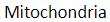
Show answer
Answer: (d)
- (a)
21.
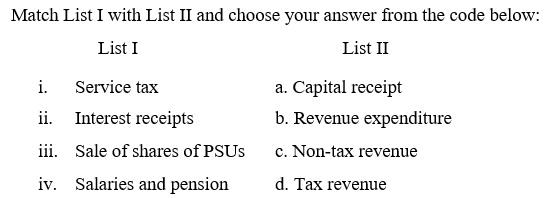
- (a)

- (b)

- (c)

- (d)

Show answer
Answer: (c)
- (a)
22.

- (a)

- (b)
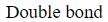
- (c)

- (d)

Show answer
Answer: (b)
- (a)
25.

- (a)

- (b)

- (c)

- (d)

Show answer
Answer: (c)
- (a)
Show answers
Answer key
Answer key as marked in the Staff Selection Commission’s response sheet. “—” means the sheet did not show it clearly.
English Language
- Q 1
- (a)
- Q 2
- (c)
- Q 4
- (c)
- Q 5
- (a)
- Q 6
- (d)
- Q 7
- (b)
- Q 8
- (b)
- Q 9
- (c)
- Q 10
- (b)
- Q 11
- (d)
- Q 13
- (d)
- Q 14
- (d)
- Q 15
- (d)
- Q 16
- (a)
- Q 17
- (a)
- Q 19
- (d)
- Q 20
- (d)
- Q 21
- (c)
- Q 22
- (c)
- Q 23
- (b)
- Q 24
- (c)
- Q 25
- (b)
General Intelligence
- Q 1
- (c)
- Q 2
- (a)
- Q 3
- (a)
- Q 4
- (c)
- Q 5
- (b)
- Q 6
- (c)
- Q 7
- (b)
- Q 8
- (d)
- Q 9
- (d)
- Q 10
- (b)
- Q 11
- (d)
- Q 12
- (c)
- Q 13
- (d)
- Q 14
- (b)
- Q 15
- (c)
- Q 16
- (d)
- Q 17
- (c)
- Q 18
- (a)
- Q 19
- (c)
- Q 20
- (d)
- Q 21
- (a)
- Q 22
- (b)
- Q 23
- (c)
- Q 24
- (c)
- Q 25
- (a)
Quantitative Aptitude
- Q 1
- (d)
- Q 2
- (b)
- Q 3
- (a)
- Q 4
- (c)
- Q 5
- (d)
- Q 6
- (a)
- Q 7
- (c)
- Q 8
- (d)
- Q 9
- (a)
- Q 10
- (d)
- Q 11
- (a)
- Q 12
- (a)
- Q 14
- (b)
- Q 15
- (b)
- Q 16
- (b)
- Q 17
- (d)
- Q 18
- (a)
- Q 19
- (a)
- Q 20
- (a)
- Q 21
- (d)
- Q 22
- (a)
- Q 23
- (c)
- Q 24
- (c)
- Q 25
- (c)
General Awareness
- Q 1
- (c)
- Q 2
- (d)
- Q 4
- (a)
- Q 5
- (d)
- Q 6
- (c)
- Q 7
- (b)
- Q 8
- (d)
- Q 10
- (b)
- Q 13
- (c)
- Q 15
- (b)
- Q 16
- (b)
- Q 17
- (d)
- Q 18
- (c)
- Q 19
- (b)
- Q 20
- (d)
- Q 21
- (c)
- Q 22
- (b)
- Q 25
- (c)