ExamBharo · UP PGT 2021 — Biology (Series A) · exambharo.com/up-pgt/previous-year-papers/up-pgt-2021-biology-series-a/
प्रश्न पत्र · यूपी पीजीटी
UP PGT 2021 — Biology (Series A)
17 or 18 August 2021125 प्रश्नसही उत्तर पर +3.4, गलत उत्तर पर −0
प्रश्न उत्तर प्रदेश माध्यमिक शिक्षा सेवा चयन बोर्ड के 17 or 18 August 2021 के पेपर से। हर प्रश्न का उत्तर उसके नीचे है, खोलने पर ही दिखता है, और पूरी उत्तर कुंजी अंत में है। स्कोर पाने के लिए पेपर को समयबद्ध प्रैक्टिस टेस्ट के रूप में दें।
आधिकारिक पुस्तिका बिना पाठ वाला स्कैन है, इसलिए ExamBharo ने यह पेपर उससे हाथ से टाइप किया है। टाइपिंग की चूक संभव है; संपर्क पेज से बताएँ।
बोर्ड ने अपनी अंतिम उत्तर कुंजी में प्रश्न 42 और 57 हटा दिए: ये यहाँ दिखाए गए हैं, बिना उत्तर के, और स्कोर में नहीं गिने जाते।
प्रश्न अंग्रेज़ी में हैं, जैसे मूल पेपर में थे।
Biology
1. Match List – I with List – II and choose the correct answer using the codes given below : List – I (Animal association) — List – II (Definition) a. Cooperation — 1. Close association in which one species benefits b. Mutualism — 2. Loose association in which both species benefit c. Amensalism — 3. Close association in which both species benefit d. Commensalism — 4. One species inhibits the growth of another species but does not feed on it Codes : a b c d
- (a) 2 3 4 1
- (b) 4 2 3 1
- (c) 1 3 2 4
- (d) 3 2 4 1
उत्तर देखें
उत्तर: (a)
2. Which one of the following stem shows secondary growth and vascular bundles are leptocentric ?
- (a) Maize
- (b) Cynodon
- (c) Dracaena
- (d) Wheat
उत्तर देखें
उत्तर: (c)
3. Which stage of Puccinia is found on its alternative host ?
- (a) Uredospore
- (b) Teleutospore
- (c) Basidiospore
- (d) Pycnidiospore
उत्तर देखें
उत्तर: (d)
4. In which of the following viruses, DNA is the genetic material ?
- (a) TMV
- (b) MS2
- (c) T2 phage
- (d) None of the above
उत्तर देखें
उत्तर: (c)
5. Line of growth found on the shell of Pila is called
- (a) Spere
- (b) Columella
- (c) Sutures
- (d) Varices
उत्तर देखें
उत्तर: (d)
6. Reindeer moss is
- (a) Cetraria islandica
- (b) Cladonia rangifera
- (c) Parmelia
- (d) Stone mushroom
उत्तर देखें
उत्तर: (b)
7. Which of the following statement is not true regarding the synthesis of proteins ?
- (a) It requires m-RNA, t-RNA, ribosomes, amino acids, energy and enzymes
- (b) Activated amino acids attach to t-RNA
- (c) m-RNA is read in 5′→3′ direction
- (d) Polypeptide synthesis proceeds from C-terminal to N-terminal end
उत्तर देखें
उत्तर: (d)
8. How is it that, Taenia escapes digestion by the enzymes of the host, it is due to the presence of
- (a) acid mucopolysaccharides
- (b) alkaline mucopolysaccharides
- (c) acid lipopolysaccharides
- (d) alkaline lipopolysaccharides
उत्तर देखें
उत्तर: (b)
9. Which one is not a fossil type ?
- (a) Coal ball
- (b) Amber
- (c) Compaction
- (d) Basalt
उत्तर देखें
उत्तर: (d)
10. The genetic code is called degenerate code because
- (a) One codon has many meanings
- (b) More than one codon has the same meaning
- (c) One codon has one meaning
- (d) There are 64 codons present
उत्तर देखें
उत्तर: (b)
11. Which of the following equations represents the central dogma of molecular biology ?
- (a) DNA → RNA → Protein
- (b) RNA → Protein → Enzyme
- (c) Protein → RNA → DNA
- (d) DNA → Protein → RNA
उत्तर देखें
उत्तर: (a)
12. Which one is correctly paired ?
- (a) Teak – Dipterocarpus
- (b) Sal – Tectona
- (c) Chir – Cedrus
- (d) Sheesham – Dalbergia
उत्तर देखें
उत्तर: (d)
13. The new varieties of a species are produced as a result of
- (a) Microevolution
- (b) Macroevolution
- (c) Megaevolution
- (d) Straight line evolution
उत्तर देखें
उत्तर: (a)
14. The binomial system of Carolus Linnaeus was devoid of which of the following categories ?
- (a) Genus and species
- (b) Class and order
- (c) Phylum and family
- (d) Kingdom and class
उत्तर देखें
उत्तर: (c)
15. CH2=CH2 is mainly responsible for
- (a) Formation of root hair
- (b) Formation of nodes
- (c) Ripening of fruits
- (d) Formation of internodes
उत्तर देखें
उत्तर: (c)
16. Lac insect feeds on which of the following host plant ?
- (a) Butea monosperma
- (b) Zizyphus jujuba
- (c) Cajanus cajan
- (d) All of the above
उत्तर देखें
उत्तर: (d)
17. Pinus protects itself from microbial and insect attack through
- (a) Thick bark
- (b) Dwarf shoots
- (c) Mycorrhiza
- (d) Resin
उत्तर देखें
उत्तर: (d)
18. Which of the following floral formula is of Family Rosaceae ?
- (a)

- (b)

- (c)
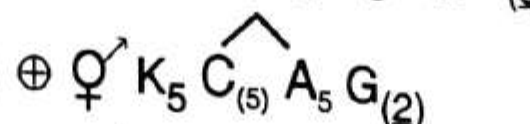
- (d)
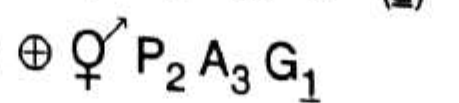
उत्तर देखें
उत्तर: (a)
- (a)
19. Which of the following animal is poisonous ?
- (a) Hemidactylus
- (b) Uromastix
- (c) Ornithorhynchus male
- (d) Chameleon
उत्तर देखें
उत्तर: (c)
20. Which of the following fungal groups has septate hyphae and reproduces asexually by budding, conidia and fragmentation ?
- (a) Basidiomycotina
- (b) Zygomycetes
- (c) Chytrids
- (d) Glomeromycota
उत्तर देखें
उत्तर: (a)
21. How many somites are present in Hirudinaria ?
- (a) 32
- (b) 33
- (c) 34
- (d) 35
उत्तर देखें
उत्तर: (b)
22. Cauliflower, Cabbage, Knol-khol and Turnip belong to how many genera ?
- (a) One
- (b) Two
- (c) Three
- (d) Four
उत्तर देखें
उत्तर: (a)
23. Which of the following is an anadromous fish ?
- (a) Eel
- (b) Carp
- (c) Hilsa
- (d) Goby
उत्तर देखें
उत्तर: (c)
24. Which one is not correctly matched ?
- (a) Cotton – Fruit fibre
- (b) Coir – Mesocarp
- (c) Jute – Stem fibre
- (d) Flax – Bast fibre
उत्तर देखें
उत्तर: (a)
25. In the Wild Life (Protection) Act, 1972, important wild animals have been placed in
- (a) Two Schedules
- (b) Three Schedules
- (c) Five Schedules
- (d) Six Schedules
उत्तर देखें
उत्तर: (c)
26. The teeth are replaced by a horny beak in which of the following ?
- (a) Rhynchocephalia
- (b) Squamata
- (c) Chelonia
- (d) Crocodilia
उत्तर देखें
उत्तर: (c)
27. Retort shaped cells are found in
- (a) Funaria
- (b) Anthoceros
- (c) Lycopodium
- (d) Sphagnum
उत्तर देखें
उत्तर: (d)
28. Chapparal occurs in one of the areas
- (a) Africa
- (b) Siberia
- (c) Canada
- (d) Mediterranean area
उत्तर देखें
उत्तर: (d)
29. Regular exercise can increase the size of muscles by 60%. This is mainly the result of an increase in the
- (a) Diameter of muscle cells only
- (b) Number of muscle cells only
- (c) Number of myofibrils within muscle cells only
- (d) All of the above
उत्तर देखें
उत्तर: (d)
30. Chloride secreting cells of fishes are found in their
- (a) Gills
- (b) Kidneys
- (c) Liver
- (d) Posterior pituitary
उत्तर देखें
उत्तर: (a)
31. In which of the following amphibians the fertilized eggs develop in the stomach of the female and little frogs come out of its mouth ?
- (a) Salamandra
- (b) Rheobatrachus
- (c) Ichthyophis ♀
- (d) Alytes
उत्तर देखें
उत्तर: (b)
32. In a dihybrid test cross if parental types exceed the recombination types among the resultant progeny, it is due to
- (a) Linkage
- (b) Complete linkage
- (c) Independent assortment
- (d) Crossing over
उत्तर देखें
उत्तर: (a)
33. Monogenean ectoparasites of fishes are particularly found on their
- (a) Caudal fin
- (b) Gills
- (c) Pectoral fins
- (d) Claspers
उत्तर देखें
उत्तर: (b)
34. In Palaemon the hastate plate is found on the ________ side of cardiac stomach.
- (a) dorsal
- (b) lateral
- (c) ventral
- (d) radial
उत्तर देखें
उत्तर: (c)
35. Which of the following is not correctly matched ?
- (a) Frog – Telolecithal eggs
- (b) Insect – Centrolecithal eggs
- (c) Mammal – Microlecithal eggs
- (d) Bird – Polylecithal eggs
उत्तर देखें
उत्तर: (c)
36. “Sinigrin” is present in the members of family
- (a) Malvaceae
- (b) Rutaceae
- (c) Brassicaceae
- (d) None of these
उत्तर देखें
उत्तर: (c)
37. Which of the following enhances the flavour of food ?
- (a) Magnesium carbonate
- (b) Tetrazines
- (c) Nitrous oxide
- (d) Monosodium glutamate
उत्तर देखें
उत्तर: (d)
38. The micronucleus of Paramecium is
- (a) diploid
- (b) polyploid
- (c) non-reproductive
- (d) the main source of RNA
उत्तर देखें
उत्तर: (a)
39. Copper deficiency leads to
- (a) Exanthema
- (b) Whiptail of cauliflower
- (c) Little leaf condition
- (d) Interveinal chlorosis
उत्तर देखें
उत्तर: (a)
40. The term ‘Single Cell Protein’ (SCP) refers to
- (a) Protein obtained from a single cell
- (b) Protein obtained from the progeny of a single cell
- (c) Protein obtained from the large scale growth of algae, fungi or bacteria
- (d) Viral coat proteins
उत्तर देखें
उत्तर: (c)
41. Nitrogenous and metabolic wastes are stored in the
- (a) Amniotic bag
- (b) Allantois
- (c) Yolk sac
- (d) Exocoel
उत्तर देखें
उत्तर: (b)
42. The larval life of Bombyx mori lasts for ________ days.
- (a) 32
- (b) 42
- (c) 52
- (d) 62
उत्तर देखें
उत्तर: —
43. Considering the amount of yolk and its distribution, the eggs of frog are
- (a) Microlecithal and centrolecithal
- (b) Mesolecithal and telolecithal
- (c) Polylecithal and isolecithal
- (d) Mesolecithal and isolecithal
उत्तर देखें
उत्तर: (b)
44. At regular intervals the heart beat is reversed in
- (a) Herdmania
- (b) Amphioxus
- (c) Scoliodon
- (d) Uromastix
उत्तर देखें
उत्तर: (a)
45. The sorus of Dryopteris is
- (a) Mixed type
- (b) Simple type
- (c) Gradate type
- (d) None of these
उत्तर देखें
उत्तर: (a)
46. Which one of the following gymnosperm phyla produces motile sperms, bears ovulate and microsporangiate cones on separate plants and has fleshy, coated seeds ?
- (a) Coniferophyta
- (b) Cycadophyta
- (c) Gnetophyta
- (d) None
उत्तर देखें
उत्तर: (b)
47. Phages which show lysogenic cycle are called
- (a) Temperate phage
- (b) Lytic phage
- (c) Virulent phage
- (d) None of the above
उत्तर देखें
उत्तर: (a)
48. The origin and diversification of Angiosperms was during which geological period ?
- (a) Permian
- (b) Triassic
- (c) Jurassic
- (d) Cretaceous
उत्तर देखें
उत्तर: (d)
49. Of the following which cestode is protandrously hermaphrodite
- (a) Diphylobothrium
- (b) Dipylidium
- (c) Taenia
- (d) Echinococcus
उत्तर देखें
उत्तर: (c)
50. The Valamen of orchid root is derived from the
- (a) Phellogen of root
- (b) Plerome of root
- (c) Dermatogen of root
- (d) Periblem of root
उत्तर देखें
उत्तर: (c)
51. Consider the following statements regarding AIDS 1. It is caused by retrovirus, HIV 2. It replicates within T4 lymphocytes 3. ELISA test detects the presence of virus particles 4. It may remain dormant for six years Of these statements :
- (a) 1, 2 and 3 are correct
- (b) 2, 3 and 4 are correct
- (c) 1, 3 and 4 are correct
- (d) 1, 2 and 4 are correct
उत्तर देखें
उत्तर: (d)
52. Which of the following statement is true regarding the 3-pairs of appendages found in the nauplius larva ?
- (a) Antennules and antennae are biramus
- (b) Only antennules are biramus
- (c) Only mandibles are biramus
- (d) Both antennae and mandibles are biramus
उत्तर देखें
उत्तर: (d)
53. Which of the following proenzyme is first converted to active enzyme by enterokinase and then by autocatalysis ?
- (a) Pepsinogen
- (b) Chymotrypsinogen
- (c) Procarboxypeptidase
- (d) Trypsinogen
उत्तर देखें
उत्तर: (d)
54. The antitranspirant is/are
- (a) PMA (Phenyl Mercuric Acetate)
- (b) IAA (Indole Acetic Acid)
- (c) MH (Mallic Hydrazide)
- (d) All above
उत्तर देखें
उत्तर: (a)
55. Which of the following stimulates the exocrine pancreas ?
- (a) Secretin and pancreozymin
- (b) Enterocrinin
- (c) Insulin
- (d) Glucagon
उत्तर देखें
उत्तर: (a)
56. Diversity of the habitats over the total landscape or geographical area is called
- (a) Alpha diversity
- (b) Beta diversity
- (c) Gamma diversity
- (d) None of the above
उत्तर देखें
उत्तर: (c)
57. Which statement does not explain the features of cycas ?
- (a) Two kind of leaves
- (b) Monoecious
- (c) Wedge shaped microsporophyll
- (d) Mycorrhizal association in roots
उत्तर देखें
उत्तर: —
58. In incomplete dominance
- (a) The phenotypic and genotypic ratios are same in F1 generation
- (b) The phenotypic and genotypic ratios are same in F2 generation
- (c) The phenotypic ratio and genotypic ratio are different in the F1 generation
- (d) The phenotypic and genotypic ratios are different in F2 generation
उत्तर देखें
उत्तर: (b)
59. Which of the following pair is not correctly matched ?
- (a) Cnidaria – Radially symmetrical, tissue level organization
- (b) Platyhelminthes – Unsegmented, acoelomate
- (c) Nematoda – Unsegmented, pseudocoelomate
- (d) Arthropoda – Metameric, coelomate
उत्तर देखें
उत्तर: (d)
60. Epigynous flowers are found in
- (a) Cucurbita
- (b) Argemone
- (c) Malva
- (d) Solanum
उत्तर देखें
उत्तर: (a)
61. Filaria is diagnosed by the presence of microfilariae in the human blood. For this, the blood sample is taken
- (a) just after sunrise
- (b) any time of the day
- (c) between 4:30 and 6:30 in the evening
- (d) between 10:00 p.m. and 4:00 a.m in the night
उत्तर देखें
उत्तर: (d)
62. Match List – I with List – II and choose the correct answer using the codes given below : List – I — List – II a. Neutrophils — 1. Production of antibodies b. Eosinophils — 2. Kidney-shaped nucleus c. Monocytes — 3. Diapedesis d. Lymphocytes — 4. Number increases in allergy Codes : a b c d
- (a) 1 4 2 3
- (b) 4 2 3 1
- (c) 3 2 1 4
- (d) 3 4 2 1
उत्तर देखें
उत्तर: (d)
63. If an actin inhibiting drug is injected into an amoeba, its movement will
- (a) stop instantly
- (b) become faster
- (c) become slower
- (d) remain unaffected
उत्तर देखें
उत्तर: (a)
64. In certain plants, the mechanism where timing of anther dehiscence and stigma receptivity do not coincide to avoid self-pollination is called
- (a) Dichogamy
- (b) Herkogamy
- (c) Monoecy
- (d) Dioecy
उत्तर देखें
उत्तर: (a)
65. In Funaria, calyptra is derived from
- (a) Antheridium
- (b) Columella
- (c) Capsule
- (d) Archegonium
उत्तर देखें
उत्तर: (d)
66. The growth of Obelia colony is of ________ type.
- (a) bipodal
- (b) biramous
- (c) sympodial
- (d) racemose
उत्तर देखें
उत्तर: (c)
67. Chief function of Pedicellariae in star fish is
- (a) Respiration
- (b) Capturing
- (c) Cleansing
- (d) Feeding
उत्तर देखें
उत्तर: (c)
68. Birds are capable of removing during inspiration which of the following amount of oxygen from the air ?
- (a) 20%
- (b) 40%
- (c) 90%
- (d) 100%
उत्तर देखें
उत्तर: (c)
69. Alluvial soils are mostly found in which region ?
- (a) Northern India
- (b) Eastern India
- (c) Southern India
- (d) Gangetic Jamuna plains
उत्तर देखें
उत्तर: (d)
70. Which of the snakes found in India is non-poisonous ?
- (a) King Cobra
- (b) Banded Krait
- (c) Boa constrictor
- (d) Brown Himalayan viper
उत्तर देखें
उत्तर: (c)
71. Trypanosoma is polymorphic. Which of its following stages lacks a flagellum ?
- (a) Leptomonad
- (b) Crithidial
- (c) Trypanosome
- (d) Leishmanial
उत्तर देखें
उत्तर: (d)
72. Cleavage in Amphioxus is
- (a) Holoblastic and equal
- (b) Holoblastic and unequal
- (c) Meroblastic and superficial
- (d) Meroblastic and discoidal
उत्तर देखें
उत्तर: (a)
73. In prophase of meiosis chaismata are due to
- (a) Mutation
- (b) Crossing over
- (c) Translocation
- (d) Inversion
उत्तर देखें
उत्तर: (b)
74. Centripetal xylem is present in
- (a) Dicot root
- (b) Dicot stem
- (c) Monocot stem
- (d) Branches of stem
उत्तर देखें
उत्तर: (a)
75. Which of the following statement is not true regarding cytochrome oxidase ?
- (a) It is found in mitochondria
- (b) It transfers electrons to oxygen
- (c) It contains only copper
- (d) It contains both copper and iron
उत्तर देखें
उत्तर: (c)
76. PCO cycle is also known as
- (a) C2 cycle
- (b) C3 cycle
- (c) C4 cycle
- (d) CAM cycle
उत्तर देखें
उत्तर: (a)
77. h′ = 0.61λ/(n′ sinθ) is the formula for
- (a) Resolving power
- (b) Kinetic energy
- (c) Light energy
- (d) Thermodynamics
उत्तर देखें
उत्तर: (a)
78. Protein Keratin is not found in the epidermis of
- (a) Fish
- (b) Reptile
- (c) Bird
- (d) Mammal
उत्तर देखें
उत्तर: (a)
79. Which of the following immunoglobulin molecules is largest ?
- (a) IgA
- (b) IgD
- (c) IgM
- (d) IgE
उत्तर देखें
उत्तर: (c)
80. Horse-shoe shaped ovule is
- (a) Campylotropous
- (b) Hemianatropous
- (c) Amphitropous
- (d) Circinotropous
उत्तर देखें
उत्तर: (c)
81. Which of the following is not correctly matched ?
- (a) Translocation – Interchromosomal rearrangement
- (b) Epistatic gene – Stimulating the action of another gene
- (c) Codominance – A character controlled by two genes
- (d) Neomorphs – Produce a phenotype different from that of wild gene
उत्तर देखें
उत्तर: (b)
82. Seeds having longest viability belong to
- (a) Chenopodium
- (b) Quercus
- (c) Lupinus
- (d) Eucalyptus
उत्तर देखें
उत्तर: (c)
83. Which of the following toxicant is found in the hydrosphere ?
- (a) Nitrous oxide
- (b) Detergents
- (c) Sulphur dioxide
- (d) Ozone
उत्तर देखें
उत्तर: (b)
84. A tumour like tissue of thin walled cells developing over the wounds is called
- (a) Tyloses
- (b) Gall
- (c) Callose
- (d) Callus
उत्तर देखें
उत्तर: (d)
85. Which one is an important constituent of renin-angiotensinogen-aldosterone system ?
- (a) JGA cells
- (b) Plasma cells
- (c) Macular cells
- (d) Erythropoietin
उत्तर देखें
उत्तर: (a)
86. A sample of ten people have the following body temperature in °C : 36, 34, 41, 39, 37, 43, 36, 37, 41 and 39. Which of the following represents the standard deviation ?
- (a) 2.65 °C
- (b) 2.90 °C
- (c) 3.10 °C
- (d) 3.50 °C
उत्तर देखें
उत्तर: (a)
87. The stain orcein is obtained from the thallus of
- (a) Roccella sp.
- (b) Cladonia sp.
- (c) Usnea sp.
- (d) Parmelia sp.
उत्तर देखें
उत्तर: (a)
88. Which one of the following is a food borne toxin ?
- (a) Tetanus toxin
- (b) Botulinum toxin
- (c) Cholera toxin
- (d) Diphtheria toxin
उत्तर देखें
उत्तर: (b)
89. Which of the following hormones is not correctly matched ?
- (a) Melatonin – Epiphysis
- (b) Melanotropin – Middle lobe of pituitary
- (c) Leptin – Adipocytes
- (d) Renin – Stomach of infants
उत्तर देखें
उत्तर: (d)
90. Development of Anther in angiosperms is
- (a) Leptosporangiate
- (b) Eusporangiate
- (c) Gradate
- (d) Simple
उत्तर देखें
उत्तर: (b)
91. The terms lotic and lentic refers to
- (a) Marine habitat
- (b) Terrestrial habitat
- (c) Fresh water habitat
- (d) Estuarine habitat
उत्तर देखें
उत्तर: (c)
92. Apocarpous condition occurs in
- (a) Liliaceae
- (b) Graminae
- (c) Ranunculaceae
- (d) Compositae
उत्तर देखें
उत्तर: (c)
93. Chylorhizy is found in
- (a) Opuntia
- (b) Euphorbia
- (c) Asparagus
- (d) Aloe
उत्तर देखें
उत्तर: (c)
94. The tendril shows
- (a) Haptotropism
- (b) Chemotropism
- (c) Phototropism
- (d) Hydrotropism
उत्तर देखें
उत्तर: (a)
95. Leafless stem of onion which produces flowers is called
- (a) Peduncle
- (b) Floral axis
- (c) Scape
- (d) Rachis
उत्तर देखें
उत्तर: (c)
96. Which of the following is permitted in a wild life sanctuary ?
- (a) Hunting of animals
- (b) Cutting of trees
- (c) Grazing of cattles
- (d) Collection of fruits, firewood and medicinal plants
उत्तर देखें
उत्तर: (d)
97. According to Geological Time Scale which one is the oldest period among the following ?
- (a) Cambrian
- (b) Carboniferous
- (c) Ordovician
- (d) Permian
उत्तर देखें
उत्तर: (a)
98. The phenomenon of Bradytely is exhibited by which of the following animal ?
- (a) Neoceratodus only
- (b) Latimaria only
- (c) Sphenodon only
- (d) All of the above
उत्तर देखें
उत्तर: (d)
99. Halophytic fern is
- (a) Adiantum emarginatum
- (b) Asplinium nidus
- (c) Acrostichum aureum
- (d) None
उत्तर देखें
उत्तर: (c)
100. Stratification of trees is seen in
- (a) Grasslands
- (b) Alpine regions
- (c) Temperate region
- (d) Tropical rain forests
उत्तर देखें
उत्तर: (d)
101. Krebs-Henseliet cycle is also called
- (a) Krebs cycle
- (b) Tricarboxylic acid cycle
- (c) Citric acid cycle
- (d) Urea cycle
उत्तर देखें
उत्तर: (d)
102. Interventricular septum is incomplete in
- (a) Rana
- (b) Uromastix
- (c) Columba
- (d) Oryctolagus
उत्तर देखें
उत्तर: (b)
103. Which of the following is the correct match of the algal group with its food reserve ? Algal Group — Food Reserve a. Bacillariophyceae — i. Oil b. Xanthophyceae — ii. Leucosin c. Phaeophyceae — iii. Manitol d. Chlorophyceae — iv. Volutin v. Starch Codes : a b c d
- (a) iv i iii v
- (b) ii i iii iv
- (c) iv i ii v
- (d) i v iii ii
उत्तर देखें
उत्तर: (a)
104. Which pair is correct ?
- (a) Cruciferae – Pentamerous
- (b) Ranunculaceae – Bicarpellary
- (c) Capparidaceae – Androphore
- (d) Cucurbitaceae – Axile Placentation
उत्तर देखें
उत्तर: (c)
105. During its entire life the queen bee copulates
- (a) Once only
- (b) Twice only
- (c) Thrice only
- (d) Continuously
उत्तर देखें
उत्तर: (a)
106. The process where Bacterial gene are transmitted from donar to recipient as part of the sex factor termed
- (a) Conjugation
- (b) Sexduction
- (c) Transformation
- (d) Transduction
उत्तर देखें
उत्तर: (b)
107. According to Bower and Goebel Rhizophore of selaginella is
- (a) A stem
- (b) A root
- (c) An organ sui-generis
- (d) None of the above
उत्तर देखें
उत्तर: (c)
108. Germination of pollen grain on the stigma is called
- (a) Autogamy
- (b) In situ germination
- (c) In vivo germination
- (d) In vitro germination
उत्तर देखें
उत्तर: (c)
109. The rate of oxygen consumption of an animal is equal to x at 0°C. If Q10 is equal to 2, at which of the following temperatures the rate will be 8x ?
- (a) 5°C
- (b) 10°C
- (c) 30°C
- (d) 35°C
उत्तर देखें
उत्तर: (c)
110. Feeding in Sporozoa is
- (a) by cytostome
- (b) autotrophic
- (c) by micropores
- (d) ciliary
उत्तर देखें
उत्तर: (c)
111. In arithmetic average the meaning of Σ is
- (a) Sample mean
- (b) Number of individuals
- (c) Summation
- (d) Individual measures
उत्तर देखें
उत्तर: (c)
112. An algae having chlorophyll a, floridian starch as storage product and lacking flagellate cells belongs to the class
- (a) Phaeophyceae
- (b) Chlorophyceae
- (c) Rhodophyceae
- (d) Xanthophyceae
उत्तर देखें
उत्तर: (c)
113. Fibrous bands present in endothecium of anther wall is made up of
- (a) Sporopollenin
- (b) α-cellulose
- (c) Pectin
- (d) Lignin
उत्तर देखें
उत्तर: (b)
114. Which one is most primitive among the following in Geological Time Scale ?
- (a) Lycopodium
- (b) Selaginella
- (c) Equisetum
- (d) Psilotum
उत्तर देखें
उत्तर: (d)
115. Auxospores are found in
- (a) Cynophyceae
- (b) Chlorophyceae
- (c) Rhodophyceae
- (d) Bacillariophyceae
उत्तर देखें
उत्तर: (d)
116. Polysome consists
- (a) Ribosome and t RNA
- (b) Lysosome
- (c) Chromosome and centrosome
- (d) Ribosome and m RNA
उत्तर देखें
उत्तर: (d)
117. Placenta in humans is
- (a) chorionic, monodiscoidal, haemachorial
- (b) yolk-sac, diffuse, epitheliochorial
- (c) allantoic, cotledonary, haemoendothelial
- (d) allantoic, zonary, syndesmo-chorial
उत्तर देखें
उत्तर: (a)
118. In Griffith experiment of transformation virulent strain is called as
- (a) S-strain
- (b) R-strain
- (c) M-strain
- (d) K-strain
उत्तर देखें
उत्तर: (a)
119. Lomasome represents
- (a) Membrane structure
- (b) Mitochondrial equivalent
- (c) Plastid
- (d) Irregular structures
उत्तर देखें
उत्तर: (a)
120. Which one of the following is a fungal disease of plants ?
- (a) Cucumber mosaic
- (b) Fire blight of pear
- (c) Crown gall
- (d) Apple scab
उत्तर देखें
उत्तर: (d)
121. Only smooth walled rhizoids are found in
- (a) Riccia
- (b) Marchantia
- (c) Pellia
- (d) Funaria
उत्तर देखें
उत्तर: (c)
122. A prokaryotic cell lacks
- (a) only histones in its DNA
- (b) only cytoskeleton
- (c) only sub-cellular organelles
- (d) all of the above
उत्तर देखें
उत्तर: (d)
123. Which one is found in endospore of bacteria not in vegetative cell ?
- (a) Muramic acid
- (b) Dipicolinic acid
- (c) Glycolic acid
- (d) None of the above
उत्तर देखें
उत्तर: (b)
124. One species inhibits the growth of another species but does not feed on it. This is called
- (a) Commensalism
- (b) Mutualism
- (c) Cooperation
- (d) Amensalism
उत्तर देखें
उत्तर: (d)
125. Weeds of the fish pond having fry is removed by
- (a) Weedicides
- (b) Herbicides
- (c) Pesticides
- (d) Mechanical uprooting
उत्तर देखें
उत्तर: (d)
उत्तर देखें
उत्तर कुंजी
उत्तर कुंजी इस परीक्षा की उत्तर प्रदेश माध्यमिक शिक्षा सेवा चयन बोर्ड की आधिकारिक उत्तर कुंजी से है। “—” का अर्थ है कि कुंजी में उत्तर नहीं दिया गया: प्रश्न हटाया गया।
Biology
- प्र. 1
- (a)
- प्र. 2
- (c)
- प्र. 3
- (d)
- प्र. 4
- (c)
- प्र. 5
- (d)
- प्र. 6
- (b)
- प्र. 7
- (d)
- प्र. 8
- (b)
- प्र. 9
- (d)
- प्र. 10
- (b)
- प्र. 11
- (a)
- प्र. 12
- (d)
- प्र. 13
- (a)
- प्र. 14
- (c)
- प्र. 15
- (c)
- प्र. 16
- (d)
- प्र. 17
- (d)
- प्र. 18
- (a)
- प्र. 19
- (c)
- प्र. 20
- (a)
- प्र. 21
- (b)
- प्र. 22
- (a)
- प्र. 23
- (c)
- प्र. 24
- (a)
- प्र. 25
- (c)
- प्र. 26
- (c)
- प्र. 27
- (d)
- प्र. 28
- (d)
- प्र. 29
- (d)
- प्र. 30
- (a)
- प्र. 31
- (b)
- प्र. 32
- (a)
- प्र. 33
- (b)
- प्र. 34
- (c)
- प्र. 35
- (c)
- प्र. 36
- (c)
- प्र. 37
- (d)
- प्र. 38
- (a)
- प्र. 39
- (a)
- प्र. 40
- (c)
- प्र. 41
- (b)
- प्र. 42
- —
- प्र. 43
- (b)
- प्र. 44
- (a)
- प्र. 45
- (a)
- प्र. 46
- (b)
- प्र. 47
- (a)
- प्र. 48
- (d)
- प्र. 49
- (c)
- प्र. 50
- (c)
- प्र. 51
- (d)
- प्र. 52
- (d)
- प्र. 53
- (d)
- प्र. 54
- (a)
- प्र. 55
- (a)
- प्र. 56
- (c)
- प्र. 57
- —
- प्र. 58
- (b)
- प्र. 59
- (d)
- प्र. 60
- (a)
- प्र. 61
- (d)
- प्र. 62
- (d)
- प्र. 63
- (a)
- प्र. 64
- (a)
- प्र. 65
- (d)
- प्र. 66
- (c)
- प्र. 67
- (c)
- प्र. 68
- (c)
- प्र. 69
- (d)
- प्र. 70
- (c)
- प्र. 71
- (d)
- प्र. 72
- (a)
- प्र. 73
- (b)
- प्र. 74
- (a)
- प्र. 75
- (c)
- प्र. 76
- (a)
- प्र. 77
- (a)
- प्र. 78
- (a)
- प्र. 79
- (c)
- प्र. 80
- (c)
- प्र. 81
- (b)
- प्र. 82
- (c)
- प्र. 83
- (b)
- प्र. 84
- (d)
- प्र. 85
- (a)
- प्र. 86
- (a)
- प्र. 87
- (a)
- प्र. 88
- (b)
- प्र. 89
- (d)
- प्र. 90
- (b)
- प्र. 91
- (c)
- प्र. 92
- (c)
- प्र. 93
- (c)
- प्र. 94
- (a)
- प्र. 95
- (c)
- प्र. 96
- (d)
- प्र. 97
- (a)
- प्र. 98
- (d)
- प्र. 99
- (c)
- प्र. 100
- (d)
- प्र. 101
- (d)
- प्र. 102
- (b)
- प्र. 103
- (a)
- प्र. 104
- (c)
- प्र. 105
- (a)
- प्र. 106
- (b)
- प्र. 107
- (c)
- प्र. 108
- (c)
- प्र. 109
- (c)
- प्र. 110
- (c)
- प्र. 111
- (c)
- प्र. 112
- (c)
- प्र. 113
- (b)
- प्र. 114
- (d)
- प्र. 115
- (d)
- प्र. 116
- (d)
- प्र. 117
- (a)
- प्र. 118
- (a)
- प्र. 119
- (a)
- प्र. 120
- (d)
- प्र. 121
- (c)
- प्र. 122
- (d)
- प्र. 123
- (b)
- प्र. 124
- (d)
- प्र. 125
- (d)