ExamBharo · SSC MTS 2021 — 25 July 2022, Shift 1 · exambharo.com/ssc-mts/previous-year-papers/ssc-mts-2021-25-jul-shift-1/
प्रश्न पत्र · एसएससी एमटीएस एवं हवलदार
SSC MTS 2021 — 25 July 2022, Shift 1
25 जुलाई 2022 · 9:00 AM–10:30 AMपेपर के 100 में से 88 प्रश्नहर सही उत्तर पर 1
प्रश्न कर्मचारी चयन आयोग के 25 जुलाई 2022, 9:00 AM–10:30 AM के पेपर से।
एसएससी एमटीएस एवं हवलदार की तैयारी कर रहे हैं? और भी पाएँ, मुफ़्त
रोज़ पिछले साल के प्रश्नों का क्विज़, और एसएससी एमटीएस एवं हवलदार की हर सूचना उसी दिन।
प्रश्न अंग्रेज़ी में हैं, जैसे मूल पेपर में थे।
General English
1. Select the option that can be used as a one-word substitute for the given group of words. Make (something bad or unsatisfactory) better
- (a) Judge
- (b) Malign
- (c) Castigate
- (d) Ameliorate
उत्तर देखें
उत्तर: (d)
2. Select the option that will improve the underlined part of the sentence. In case no improvement is needed, select ‘No improvement reuired’. The viewing for the Mount Everest is clearer from here.
- (a) view of an
- (b) view of
- (c) No improvement reuired
- (d) viewing of a
उत्तर देखें
उत्तर: (b)
3. Select the option that will improve the underlined part of the given sentence. In case no improvement is needed, select 'No improvement required'. An immense crowd had gather to witness this ceremony.
- (a) had gathering
- (b) gather
- (c) No improvement required
- (d) had gathered
उत्तर देखें
उत्तर: (d)
4. Select the option that will improve the underlined part of the given sentence. In case no improvement is needed, select 'No improvement required'. When it comes to love of sports, he takes off his father.
- (a) takes from
- (b) takes by
- (c) takes after
- (d) No improvement required
उत्तर देखें
उत्तर: (c)
5. Select the INCORRECTLY spelt word.
- (a) Bombastic
- (b) Arachic
- (c) Benign
- (d) Artless
उत्तर देखें
उत्तर: (b)
6. Parts of the following sentence have been given as options. One of them may contain an error. Select the part that contains the error from the given options. If you don’t find any error, mark ‘No error’ as your answer. Businesses are asking employees to work from home.
- (a) employees to work
- (b) from home
- (c) Businesses are asking
- (d) No error
उत्तर देखें
उत्तर: (d)
7. Select the most appropriate meaning of the underlined idiom in the given sentence. A child in an art museum is like a bull in a China shop.
- (a) A clumsy person in a delicate situation
- (b) A person who cries for everything
- (c) A talkative person
- (d) A person with no moral values
उत्तर देखें
उत्तर: (a)
8. Select the option that can be used as a one-word substitute for the given group of words. An afternoon performance in a theatre or cinema
- (a) Canvas
- (b) Premiere
- (c) Comedy
- (d) Matinee
उत्तर देखें
उत्तर: (d)
9. Select the option that can be used as a one-word substitute for the given group of words. An ability to find ways and directions
- (a) Navigate
- (b) Annotate
- (c) drive
- (d) operate
उत्तर देखें
उत्तर: (a)
10. Select the most appropriate option to fill in the blank. It was a long and dangerous journey in those unsettled days.The pilgrim had to face ______ by land and sea.
- (a) safeties
- (b) respite
- (c) perils
- (d) exposure
उत्तर देखें
उत्तर: (c)
11. Select the most appropriate synonym of the given word. Hesitant
- (a) Diligent
- (b) Remote
- (c) Eager
- (d) Reluctant
उत्तर देखें
उत्तर: (d)
12. The following sentence has been divided into parts. One of them may contain an error. Select the part that contains the error from the given options. If you don’t find any error, mark ‘No error’ as your answer. She didn’t knew / that I was out / for some urgent work.
- (a) for some urgent work
- (b) No error
- (c) that I was out
- (d) She didn’t knew
उत्तर देखें
उत्तर: (d)
13. Select the option that will improve the underlined part of the sentence. In case no improvement is needed, select ‘No improvement required’. Many state governments are facing a financial crunch.
- (a) are facing an
- (b) is facing a
- (c) will facing a
- (d) No improvement required
उत्तर देखें
उत्तर: (d)
14. The following sentence has been divided into parts. One of them may contain an error. Select the part that contains the error from the given options. If you don’t find any error, mark ‘No error’ as your answer. I have receive perhaps four / or five such requests during the / course of a typical week.
- (a) or five such requests during the
- (b) No error
- (c) course of a typical week
- (d) I have receive perhaps four
उत्तर देखें
उत्तर: (d)
15. Select the most appropriate ANTONYM of the given word. Laconic
- (a) Verbose
- (b) Pithy
- (c) Brief
- (d) Terse
उत्तर देखें
उत्तर: (a)
16. Select the most appropriate synonym of the given word. Vanquish
- (a) Defeat
- (b) Acquit
- (c) Surrender
- (d) Flee
उत्तर देखें
उत्तर: (a)
17. Select the most appropriate option to fill in the blank. Overindulgence in anything may prove ________ to health.
- (a) spurious
- (b) injurious
- (c) repetitive
- (d) commercial
उत्तर देखें
उत्तर: (b)
19. Select the most appropriate option to fill in the blank. The judges applauded me for my ______ performance at the competition.
- (a) usual
- (b) normal
- (c) outstanding
- (d) large
उत्तर देखें
उत्तर: (c)
20. Select the most appropriate meaning of the given idiom. Bury the hatchet
- (a) To change the plans
- (b) To make secret preparations to attack
- (c) To settle disputes
- (d) To hide something controversial
उत्तर देखें
उत्तर: (c)
गद्यांशप्रश्न 21–25 के लिए
In the following passage, some words have been deleted. Read the passage carefully and select the most appropriate option to fill in each blank.
Love is often thought to be the highest and most fulfilling emotion that men and women can (1)_____. But it is also thought of in (2)_____ to the various instincts in man. Therefore, we must (3)_____ from the mystical point of view that love is the highest emotion of man and the one emotion that relates man to God. Love on every plane and level of life is an expression of God's will, working and expressing itself in man's consciousness. To express love on any level is good, but to express it as adoration of God is the (4)_____ form of love and brings man into the greatest (5)_____ with his inner self.
21. Select the most appropriate option to fill in blank number 1.
- (a) condemn
- (b) express
- (c) attack
- (d) condone
उत्तर देखें
उत्तर: (b)
22. Select the most appropriate option to fill in blank number 2.
- (a) mention
- (b) inspection
- (c) position
- (d) relation
उत्तर देखें
उत्तर: (d)
23. Select the most appropriate option to fill in blank number 3.
- (a) realise
- (b) comprehends
- (c) acknowledges
- (d) contrast
उत्तर देखें
उत्तर: (a)
24. Select the most appropriate option to fill in blank number 4.
- (a) smallest
- (b) latest
- (c) highest
- (d) largest
उत्तर देखें
उत्तर: (c)
25. Select the most appropriate option to fill in blank number 5.
- (a) suffering
- (b) harmony
- (c) menace
- (d) loathing
उत्तर देखें
उत्तर: (b)
General Intelligence and Reasoning
1. Select the option that is related to the sixth number in the same way as the first number is related to the second number and the third number is related to the fourth number. 1246 : 2164 :: 3482 : 4328 :: ? : 2548
- (a) 2485
- (b) 5284
- (c) 2854
- (d) 2458
उत्तर देखें
उत्तर: (b)
2. What will come in the place of ‘?’ in the following equation, if ‘+’ and ‘ב are interchanged and also ‘−’ and ‘÷’ are interchanged? 4 + 8 ÷ 4 × 2 − 2 = ?
- (a) 44
- (b) 28
- (c) 48
- (d) 29
उत्तर देखें
उत्तर: (d)
4. Select the option that is related to the third letter-cluster in the same way as the second letter-cluster is related to the first letter-cluster. ROBY : TJDT :: GAIN : ?
- (a) IVKI
- (b) IUKJ
- (c) IUKI
- (d) IVKJ
उत्तर देखें
उत्तर: (a)
5. Select the option that is related to the fifth term in the same way as the second term is related to the first term and the fourth term is related to the third term. LOCAL : SVJHS :: PROOF : WYVVM :: STAGE : ?
- (a) ZAHML
- (b) ZAINL
- (c) ZAHNL
- (d) ZAHNK
उत्तर देखें
उत्तर: (c)
6. In a certain code language, if Grapes is called Grass, Grass is called Jasmine, Jasmine is called Jaggery, Jaggery is called Melon, and Melon is called Guava, then what is a manmade object?
- (a) Jaggery
- (b) Melon
- (c) Guava
- (d) Jasmine
उत्तर देखें
उत्तर: (b)
7. Select the option in which the pair of letter-clusters share the same relationship as that shared by the given letter-clusters. AM : EQ
- (a) RS : VX
- (b) LB : JF
- (c) GH : KE
- (d) PT : TX
उत्तर देखें
उत्तर: (d)
8.

- (a)

- (b)

- (c)

- (d)

उत्तर देखें
उत्तर: (c)
- (a)
9. 8 boys A, B, C, D, E, F, G and H are sitting around a square table facing towards the centre (not necessarily in the same order). 4 boys are sitting at each corner, and 4 boys are sitting at the middle of each side of the table. A is an immediate neighbour of H and G. A is sitting at a corner. B is an immediate neighbour of D and C. E is an immediate neighbour of C and F. G is third to the right of D. Three out of the following four options follow a similar rule and form a group. Which of the following does NOT belong to that group?
- (a) EB
- (b) BH
- (c) AF
- (d) GC
उत्तर देखें
उत्तर: (d)
10. Identify the number that does NOT belong to the following series. 34, 63, 94, 131, 172, 225
- (a) 94
- (b) 63
- (c) 172
- (d) 225
उत्तर देखें
उत्तर: (d)
11. J, K, L, M and N are sitting on a bench facing towards north (but not necessarily in the same order). J is immediate neighbour of K. L is immediate neighbour of N. J is not sitting with M who sits on the right end of the bench. J sits to the right of L and N. L sits to the right of N. In which position L is sitting?
- (a) Second from the right
- (b) Second from the left
- (c) Fourth from the left
- (d) Third from the left
उत्तर देखें
उत्तर: (b)
12. Select the option that will replace the question mark (?) in the given series. 49, 53, 61, 73, 89, ?
- (a) 108
- (b) 109
- (c) 107
- (d) 111
उत्तर देखें
उत्तर: (b)
13. Select the letter-cluster from among the given options that can replace the question mark (?) in the following series. YZCD, WXEF, UVGH, STIJ,?
- (a) MNKL
- (b) QROP
- (c) MNOP
- (d) QRKL
उत्तर देखें
उत्तर: (d)
14. In a certain code language, ‘Parties are scrumptious’ is written as ‘@ # %’, ‘Peter loves parties’ is written as ‘% fr kn’ and ‘Here scrumptious are cakes’ is written as ‘# 6 9 @’. What can be the possible code for ‘Here parties’ in that code language?
- (a) # 9
- (b) % #
- (c) 6 9
- (d) % 9
उत्तर देखें
उत्तर: (d)
15. Select the option in which the numbers are related in the same way as are the numbers in the given set. (11, 23, 47)
- (a) (17, 35, 69)
- (b) (13, 27, 54)
- (c) (19, 39, 79)
- (d) (23, 46, 93)
उत्तर देखें
उत्तर: (c)
16.

- (a)

- (b)

- (c)

- (d)

उत्तर देखें
उत्तर: (a)
- (a)
17. Read the given statements and conclusions carefully. Assuming that the information given in the statements is true, even if it appears to be at variance with commonly known facts, decide which of the given conclusions logically follow(s) from the statements. Statements: All pen are table. All rubber are pen. Conclusions: I. All pen are rubber. II. All table are pen. III. No rubber is table.
- (a) Both conclusions II and III follow.
- (b) All conclusions follow.
- (c) Only conclusion III follows.
- (d) Neither conclusion follow.
उत्तर देखें
उत्तर: (d)
18.

- (a)

- (b)

- (c)

- (d)

उत्तर देखें
उत्तर: (a)
- (a)
19.

- (a)

- (b)

- (c)
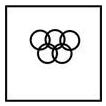
- (d)
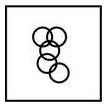
उत्तर देखें
उत्तर: (a)
- (a)
20. The prices of seven mobiles M1, M2, M3, M4, M5, M6 and M7 are compared. The price of M7 is more than M5 and less than M4. The price of M1 more than M6 and less than M2. The price of M2 is less than the price of M5. If the price of M4 is less than only one mobile, then which of the following options is correct?
- (a) M3 > M4
- (b) M6 > M5
- (c) M1 > M5
- (d) M7 > M3
उत्तर देखें
उत्तर: (a)
21.
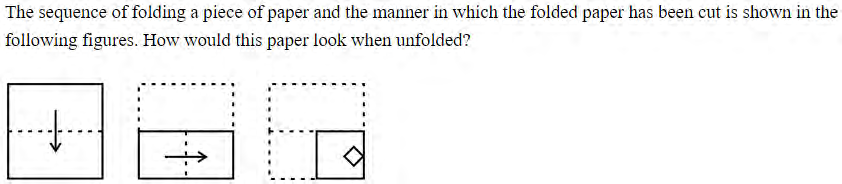
- (a)
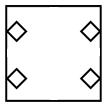
- (b)
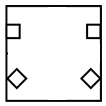
- (c)
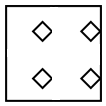
- (d)

उत्तर देखें
उत्तर: (a)
- (a)
22. Read the given statements and conclusions carefully. Assuming that the information given in the statements is true, even if it appears to be at variance with commonly known facts, decide which of the given conclusions logically follow(s) from the statements. Statements: I. No L is P. II. No R is L. Conclusions: I. Some R are not P. II. Some R are not L.
- (a) Only conclusion I follows
- (b) Neither conclusion I nor II follows
- (c) Both conclusions I and II follow
- (d) Only conclusion II follows
उत्तर देखें
उत्तर: (d)
23. In a certain code language, 'DETECT' is written as 'FCVCER' and 'HEIGHT' is written as ‘JCKEJR’. How will 'MOTHER' be written in that language?
- (a) ONVFGP
- (b) OMVFGO
- (c) OMVEGP
- (d) OMVFGP
उत्तर देखें
उत्तर: (d)
24.
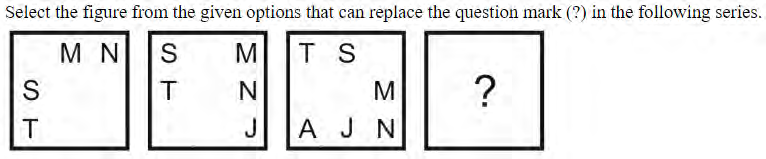
- (a)
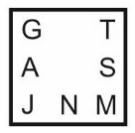
- (b)
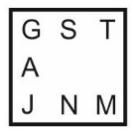
- (c)
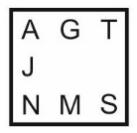
- (d)
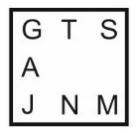
उत्तर देखें
उत्तर: (d)
- (a)
25. In a certain code language, 'TRUMPS' is written as 'VTWORU' and 'GAYTER' is written as 'ICAVGT'. How will 'HEINAP' be written in that code language?
- (a) JGKPCR
- (b) JGLPCR
- (c) JGLQCR
- (d) JGKQCR
उत्तर देखें
उत्तर: (a)
Numerical Aptitude
1.

- (a)

- (b)

- (c)

- (d)

उत्तर देखें
उत्तर: (d)
- (a)
2.

- (a)

- (b)

- (c)

- (d)

उत्तर देखें
उत्तर: (c)
- (a)
5.

- (a)

- (b)

- (c)

- (d)

उत्तर देखें
उत्तर: (b)
- (a)
6.
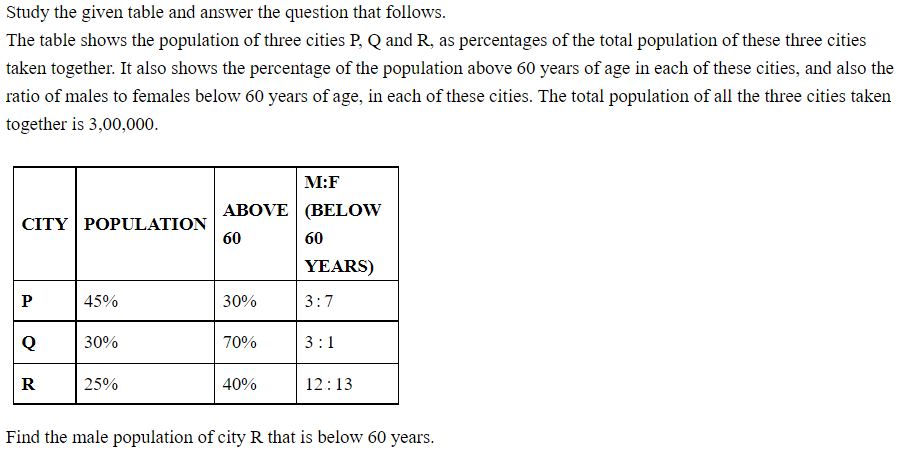
- (a)

- (b)

- (c)

- (d)

उत्तर देखें
उत्तर: (c)
- (a)
7.

- (a)

- (b)

- (c)

- (d)

उत्तर देखें
उत्तर: (b)
- (a)
9.
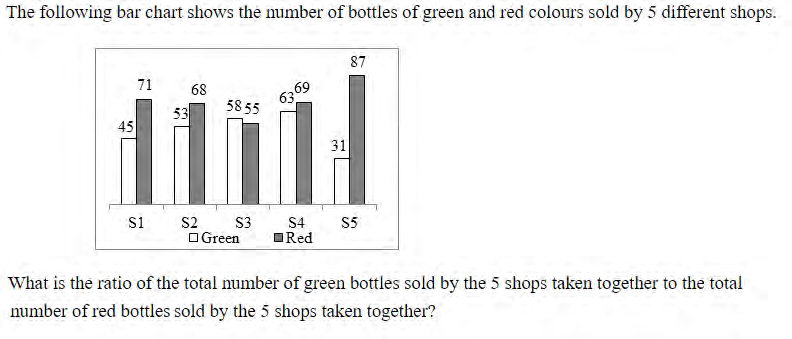
- (a)

- (b)

- (c)

- (d)

उत्तर देखें
उत्तर: (d)
- (a)
11.

- (a)

- (b)

- (c)

- (d)

उत्तर देखें
उत्तर: (c)
- (a)
12.
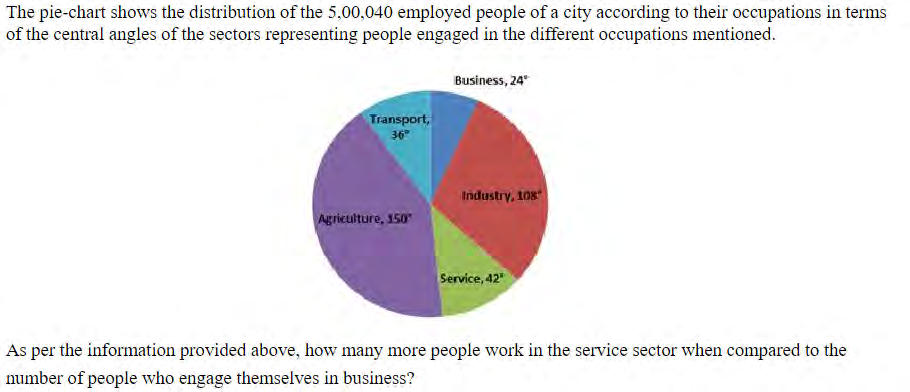
- (a)

- (b)

- (c)

- (d)

उत्तर देखें
उत्तर: (d)
- (a)
15.

- (a)

- (b)

- (c)

- (d)

उत्तर देखें
उत्तर: (b)
- (a)
16.

- (a)

- (b)

- (c)

- (d)

उत्तर देखें
उत्तर: (a)
- (a)
17.

- (a)
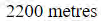
- (b)

- (c)

- (d)

उत्तर देखें
उत्तर: (d)
- (a)
18.

- (a)

- (b)

- (c)

- (d)

उत्तर देखें
उत्तर: (a)
- (a)
20.

- (a)

- (b)

- (c)

- (d)

उत्तर देखें
उत्तर: (b)
- (a)
23.

- (a)

- (b)

- (c)

- (d)

उत्तर देखें
उत्तर: (a)
- (a)
24.

- (a)

- (b)

- (c)

- (d)

उत्तर देखें
उत्तर: (b)
- (a)
25.

- (a)

- (b)

- (c)

- (d)

उत्तर देखें
उत्तर: (c)
- (a)
General Awareness
1. As per Sample Registration System’s 2018 report, what percentage of India’s population comes under working age?
- (a) 74%
- (b) 44%
- (c) 85%
- (d) 66%
उत्तर देखें
उत्तर: (d)
2. The moon moves around the earth in about ______.
- (a) 30 days
- (b) 24 days
- (c) 27 days
- (d) 29 days
उत्तर देखें
उत्तर: (c)
3. Which lake of India is the result of tectonic activity?
- (a) Wular lake
- (b) Barapani lake
- (c) Dal lake
- (d) Loktak lake
उत्तर देखें
उत्तर: (a)
4. Jhaveri Sisters are famous for which form of classical dance?
- (a) Manipuri
- (b) Mohiniyattam
- (c) Kuchipudi
- (d) Odissi
उत्तर देखें
उत्तर: (a)
5. What is the atomic number of sulphur?
- (a) 15
- (b) 14
- (c) 16
- (d) 18
उत्तर देखें
उत्तर: (c)
6. Article 51 of the Indian Constitution is about ______.
- (a) uniform civil code for the citizens
- (b) organisation of agriculture and animal husbandry
- (c) promotion of international peace and security
- (d) separation of judiciary from executive
उत्तर देखें
उत्तर: (c)
7. Dhamek stupa is one of the most prominent Buddhist structures in India. It is situated in the ______ district of Uttar Pradesh.
- (a) Jaunpur
- (b) Agra
- (c) Varanasi
- (d) Mirzapur
उत्तर देखें
उत्तर: (c)
8. Which chapter of the Constitution of India discusses the articles of Parliament?
- (a) Chapter III
- (b) Chapter I
- (c) Chapter II
- (d) Chapter IV
उत्तर देखें
उत्तर: (c)
9. ‘Unfinished’ is a memoir of the famous Indian actress _________.
- (a) Kangana Ranaut
- (b) Vidya Balan
- (c) Priyanka Chopra Jonas
- (d) Sridevi
उत्तर देखें
उत्तर: (c)
10. With respect to value addition in the textile industry, knitting is followed by which procedure?
- (a) Garment manufacture
- (b) Spinning
- (c) Fibre production
- (d) Dyeing and finishing
उत्तर देखें
उत्तर: (d)
11. In which state of India is Nuakhai festival celebrated?
- (a) Bihar
- (b) Assam
- (c) Odisha
- (d) Tamil Nadu
उत्तर देखें
उत्तर: (c)
12. Which scientist first coined the term, Ecosystem/Ecological System?
- (a) Charles Sutherland Elton
- (b) Arthur Tansley
- (c) Eugene Odum
- (d) Frederic Edward Clements
उत्तर देखें
उत्तर: (b)
13. According to Article 112 of the Constitution of India, the Union Budget of a year is called __________.
- (a) Fiscal Budget
- (b) Assessment Statement
- (c) Annual Financial Statement
- (d) Annual Budget Statement
उत्तर देखें
उत्तर: (c)
14. In which of the following events did India NOT win any medal at the Summer Olympics 2020 (played in 2021)?
- (a) Men’s hockey
- (b) Women’s singles badminton
- (c) Men’s javelin throw
- (d) Women’s hockey
उत्तर देखें
उत्तर: (d)
15. Which of the following dynasties ruled over Delhi just after the Sayyid dynasty?
- (a) Khalji dynasty
- (b) Lodi dynasty
- (c) Rajput dynasty
- (d) Tughluq dynasty
उत्तर देखें
उत्तर: (b)
16. Which Indian state government launched a cleanliness drive called Project CLAP?
- (a) Uttar Pradesh
- (b) Andhra Pradesh
- (c) Rajasthan
- (d) Madhya Pradesh
उत्तर देखें
उत्तर: (b)
17. Padma Shri awardee, Gaddam Padmaja Reddy was associated with which classical dance of India?
- (a) Kuchipudi
- (b) Manipuri
- (c) Sattriya
- (d) Kathak
उत्तर देखें
उत्तर: (a)
18. The first English factory was set up on the banks of the river Hugli in ______.
- (a) 1645
- (b) 1651
- (c) 1648
- (d) 1640
उत्तर देखें
उत्तर: (b)
19. Who will be India’s Chief G20 Coordinator from May 2022?
- (a) Harsh Vardhan Shringla
- (b) Rajiv Gauba
- (c) Shashi Tharoor
- (d) Ajit Doval
उत्तर देखें
उत्तर: (a)
20. How many number of players are permitted to be substituted in a game of field hockey?
- (a) No limit
- (b) 3
- (c) 10
- (d) 5
उत्तर देखें
उत्तर: (a)
22. Which of the following titles was held by Samudragupta, a ruler of the Gupta Dynasty?
- (a) Jahan Panah
- (b) Sahib-e-Qiran
- (c) Kaviraja
- (d) Mahendraitya
उत्तर देखें
उत्तर: (c)
23. Who was the founder of Brahmo Samaj in 1828, at Calcutta?
- (a) Swami Dayanand Saraswati
- (b) Ram Singh
- (c) Raja Ram Mohan Roy
- (d) HN Kunzru
उत्तर देखें
उत्तर: (c)
24. What is the capital of India's neighbouring country Afghanistan?
- (a) Kandahar
- (b) Kathmandu
- (c) Kabul
- (d) Karachi
उत्तर देखें
उत्तर: (c)
25. Pandit Ravi Shankar is associated with ____________ musical instrument.
- (a) sitar
- (b) violin
- (c) flute
- (d) guitar
उत्तर देखें
उत्तर: (a)
उत्तर देखें
उत्तर कुंजी
उत्तर कुंजी कर्मचारी चयन आयोग की रिस्पॉन्स शीट में अंकित उत्तरों के अनुसार है। “—” का अर्थ है कि शीट में उत्तर स्पष्ट नहीं दिखा।
General English
- प्र. 1
- (d)
- प्र. 2
- (b)
- प्र. 3
- (d)
- प्र. 4
- (c)
- प्र. 5
- (b)
- प्र. 6
- (d)
- प्र. 7
- (a)
- प्र. 8
- (d)
- प्र. 9
- (a)
- प्र. 10
- (c)
- प्र. 11
- (d)
- प्र. 12
- (d)
- प्र. 13
- (d)
- प्र. 14
- (d)
- प्र. 15
- (a)
- प्र. 16
- (a)
- प्र. 17
- (b)
- प्र. 19
- (c)
- प्र. 20
- (c)
- प्र. 21
- (b)
- प्र. 22
- (d)
- प्र. 23
- (a)
- प्र. 24
- (c)
- प्र. 25
- (b)
General Intelligence and Reasoning
- प्र. 1
- (b)
- प्र. 2
- (d)
- प्र. 4
- (a)
- प्र. 5
- (c)
- प्र. 6
- (b)
- प्र. 7
- (d)
- प्र. 8
- (c)
- प्र. 9
- (d)
- प्र. 10
- (d)
- प्र. 11
- (b)
- प्र. 12
- (b)
- प्र. 13
- (d)
- प्र. 14
- (d)
- प्र. 15
- (c)
- प्र. 16
- (a)
- प्र. 17
- (d)
- प्र. 18
- (a)
- प्र. 19
- (a)
- प्र. 20
- (a)
- प्र. 21
- (a)
- प्र. 22
- (d)
- प्र. 23
- (d)
- प्र. 24
- (d)
- प्र. 25
- (a)
Numerical Aptitude
- प्र. 1
- (d)
- प्र. 2
- (c)
- प्र. 5
- (b)
- प्र. 6
- (c)
- प्र. 7
- (b)
- प्र. 9
- (d)
- प्र. 11
- (c)
- प्र. 12
- (d)
- प्र. 15
- (b)
- प्र. 16
- (a)
- प्र. 17
- (d)
- प्र. 18
- (a)
- प्र. 20
- (b)
- प्र. 23
- (a)
- प्र. 24
- (b)
- प्र. 25
- (c)
General Awareness
- प्र. 1
- (d)
- प्र. 2
- (c)
- प्र. 3
- (a)
- प्र. 4
- (a)
- प्र. 5
- (c)
- प्र. 6
- (c)
- प्र. 7
- (c)
- प्र. 8
- (c)
- प्र. 9
- (c)
- प्र. 10
- (d)
- प्र. 11
- (c)
- प्र. 12
- (b)
- प्र. 13
- (c)
- प्र. 14
- (d)
- प्र. 15
- (b)
- प्र. 16
- (b)
- प्र. 17
- (a)
- प्र. 18
- (b)
- प्र. 19
- (a)
- प्र. 20
- (a)
- प्र. 22
- (c)
- प्र. 23
- (c)
- प्र. 24
- (c)
- प्र. 25
- (a)